Googlebooks Bring Gemini-Powered Android Laptops to the PC Market
Google and five major PC makers prepare an Android-based laptop launch
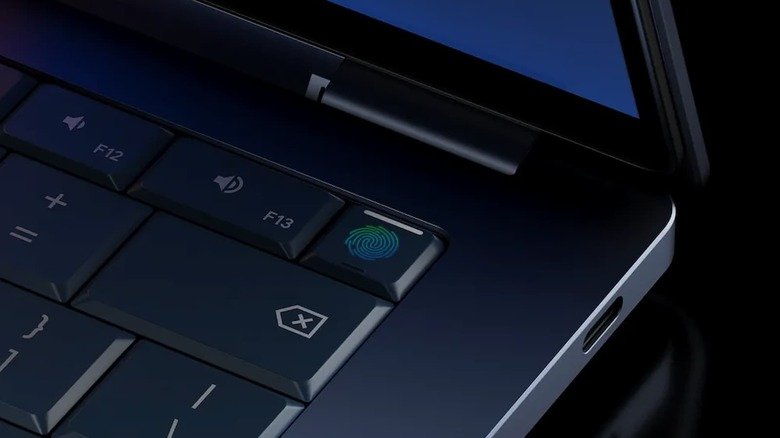
Google is preparing a new laptop category called “Googlebooks” with Acer, ASUS, Dell, HP, and Lenovo, the five largest legacy Windows PC manufacturers. The devices run an Android-underpinned operating system engineered around Google’s Gemini artificial intelligence architecture.
The platform was first previewed during Google’s developer announcements in May. Google confirmed that pre-orders will open on Sept. 21, while retail shipping is expected to begin around the Oct. 5 hardware event in New York City.
Googlebooks use a re-architected version of ChromeOS directly based on Android infrastructure. The change aligns software frameworks across mobile and desktop form factors and deepens synchronization with Android smartphones. It follows Google’s mid-2024 announcement that ChromeOS’s core technology stack would be merged with the Android Linux kernel and Android frameworks.


That engineering restructuring was explicitly designed to streamline the rollout of machine learning models such as Gemini Nano across consumer devices. The laptops will also include custom widget generation features derived from Android 17, enabling users to dynamically build interface components tailored to ongoing tasks.
A signature light-up “glowbar” will be embedded on the exterior lid of each Googlebook. Another feature, “Magic Pointer,” activates when a user wiggles the cursor on screen, analyzing visible content and displaying contextual action recommendations driven by underlying AI models.
The October 5 showcase, called “Opening Night,” will feature interactive exhibits centered on the first laptops designed directly around Gemini Intelligence, according to company invitations. The event is scheduled for New York City, with the new category positioned to reach the market ahead of the fourth-quarter holiday shopping season.
ChromeOS began in 2011 with initial hardware from Samsung and Acer as a lightweight, browser-centric operating system dependent on cloud-based web applications. Google expanded the platform over the following decade, adding Android app execution through the Google Play Store in 2016, building a dominant position in the K-12 education market, and later moving into higher-end consumer and enterprise segments.
The Googlebook initiative arrives during an industry-wide shift toward personal computers built around artificial intelligence hardware and software integrations. Earlier this year, Microsoft introduced its Copilot+ PC architecture with major chipmakers and hardware vendors, including dedicated neural processing unit (NPU) performance requirements for Windows systems. Apple introduced Apple Intelligence across its Mac lineup through macOS Sequoia and custom M-series processors.
By partnering with Acer, ASUS, Dell, HP, and Lenovo, Google is mobilizing the five largest legacy Windows PC manufacturers behind its Android-based laptop vision.