Poundland Administration Turns on a £30m Loan That Pepco Extended to 2030
Pepco lent the money, extended it to 2030 and wrote off £245m. The fight now is over who gets paid first.
Adam Turner sells sweets to Poundland from Bradford. Highcrest Retail Brands, the family-owned business where he is sales director, turns over about £50m, and Poundland is one of its biggest customers. Turner told the BBC this week that a collapse would cost his firm “a few million” in lost sales. It would leave a substantial gap in next year’s balance sheet. Smaller and medium-sized suppliers had told him they would go under with Poundland. His firm, he said, was longstanding enough to absorb the blow. Turner told the BBC he had no knowledge of any deliberate timing behind the filing.
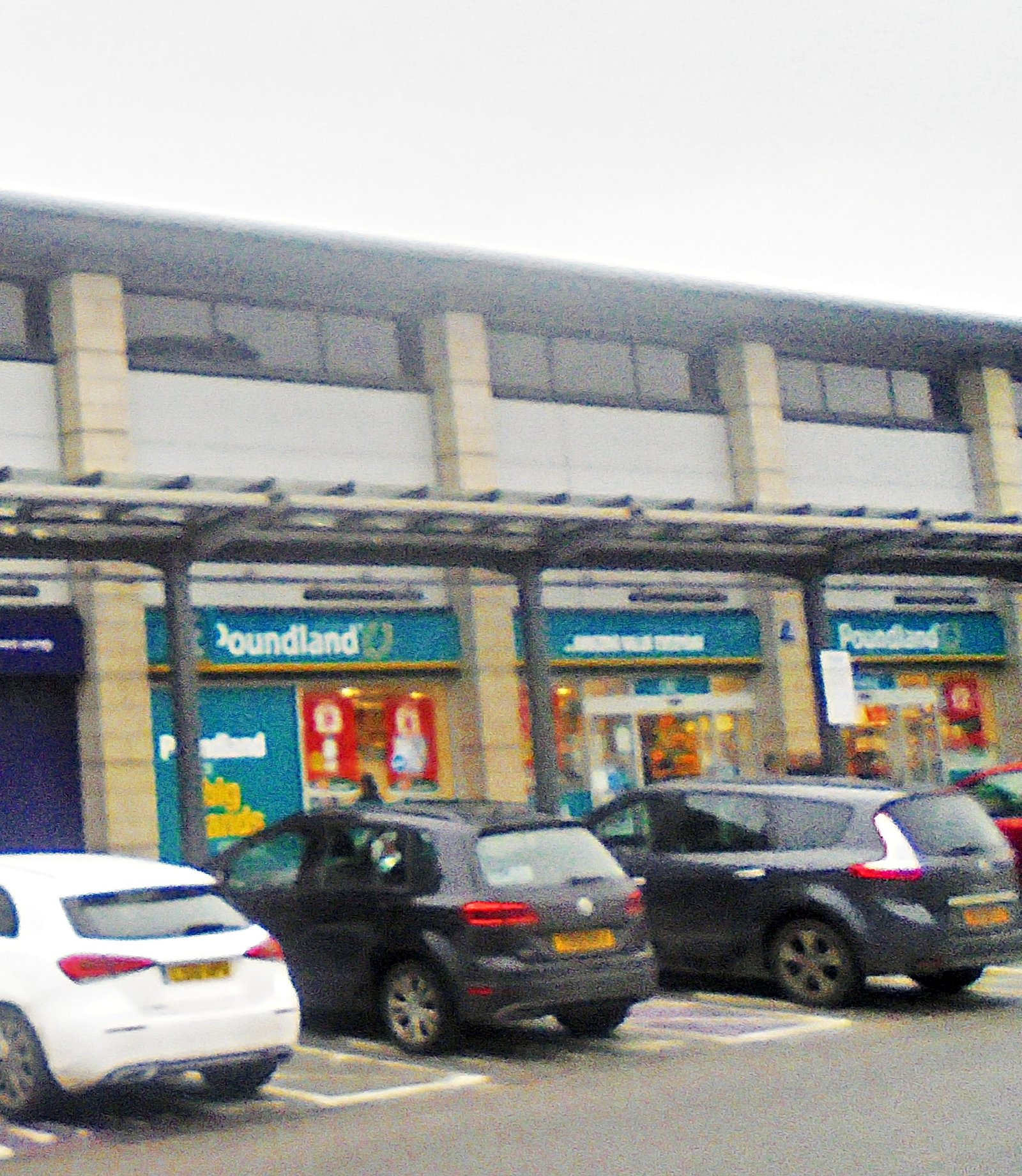
Poundland has not entered administration. The Poundland administration notice filed at the High Court on 29 October was a notice of intention to appoint administrators. It gives the chain ten working days of protection from creditor action while a rescue or sale is sought, running to 12 November. The shops remain open and trading as normal, and no new closure list has been announced. Buyers are understood to be interested in only about half of the roughly 600 stores at present, according to the BBC, which would leave around 6,000 of the roughly 12,000 staff without a buyer for their store.
The documents behind the sale tell a longer story, and they describe two different £30m facilities rather than one. They are not the same facility. Gordon Brothers is reported to want the £30m repaid in full. The first was a secured term loan from Pepco, Poundland’s former owner, agreed in March 2025 with £30m committed and a further £10m uncommitted, at 6.5 per cent. The restructuring plan approved that August extended its maturity from 1 September 2025 to 1 September 2030 and put it second in line behind the new working-capital facility. The second £30m was a new overdraft Pepco agreed to provide if the plan was approved, at 2 per cent a year and ranking alongside that facility. Pepco’s own announcement of the plan listed both items separately: the overdraft, the share issue in place of unsecured loans, and the extension of the existing secured loan to 2030.

Pepco had been lending to Poundland since the spring of 2021. It advanced a series of unsecured loans totalling some £237m to fund the business after Covid and a diversification into chilled and frozen food, an e-commerce channel and wider price points. Earnings fell from £87m in the year to 2022 to £25m in 2024, with a £94.9m total comprehensive loss, and were projected at a negative £117m for 2025. A limited sale process in 2024 found two interested parties and neither proceeded. In April 2025 Pepco launched a wider process. It canvassed 29 potential buyers plus nine debt funds and asset-backed lenders, and drew seven indicative offers, each attributing no value to Poundland’s equity and each offering about £50m of post-transaction funding. Negotiations with four parties lifted that funding to about £72.5m, and the successful bidder was Peach Bidco, a vehicle of Gordon Brothers. The sale was agreed on 12 June 2025. Its terms depended on Pepco subordinating its own interests and keeping its exposure in place, terms the judge later described as the outcome of a robust and carefully managed competitive process.
The plan the High Court sanctioned on 26 August 2025, with reasons published that October, rearranged the whole capital structure. Peach’s working-capital facility rose to £95m, running to 1 September 2028 with first-ranking priority. Pepco’s secured loan, £40m including the uncommitted element, was extended to 2030 with second-ranking priority. Pepco’s new £30m overdraft ranked alongside the working-capital facility. Pepco’s unsecured loans, standing at £244m, were discharged entirely in exchange for a maximum 30 per cent stake in Peach Bidco, falling to 25.5 per cent if shares were issued under a management incentive plan. An FTI Consulting valuation put the entire post-restructuring equity at between nothing and £4m on the first day. The judge recorded that Pepco had contributed about £327m by write-off and new or confirmed lending. That was twice the contribution of all other creditors combined. The benefit of keeping Poundland trading, the judge found, was primarily generated by Pepco subordinating its interests to preserve the business rather than liquidate it.
The landlords and other unsecured creditors did not vote the plan through willingly. Fourteen class meetings were held on 20 August 2025 and only five classes approved it: the working-capital creditor, the secured-loan creditor, the unsecured-loans creditor, one landlord class and the business-rates creditors. Nine classes did not approve it. The court imposed the plan on them under the cross-class cram-down power, after finding that no dissenting class would be worse off than in an asset-realising administration. During the 36-month rent concession period, rents for the middle landlord classes were cut by 15, 30, 45, 60 and 75 per cent according to how marginal each site was. The weakest class had its rent reduced to zero, and the leases in the lowest class were terminated. In return the compromised creditors received an uplift on what they would have recovered in administration. They also received a share of any profit above a threshold. The cumulative earnings target was £126m across the three years to September 2028, with £75m needed for reinvestment first. That meant £1m to share at £95m of earnings, £10.25m at target and £18.75m at £150m. The alternative the court weighed was an orderly sell-off realising £85.9m to £91.4m in total, including £62.7m for stock, over 12 to 18 months.
About 150 stores closed and around 2,200 jobs went in the restructuring that followed, according to reporting of the closures, leaving roughly 600 stores and about 12,000 staff. Accounts filed at Companies House in August 2026 restated the year before the sale. Revenue and cost of sales for the year to September 2024 were each cut by £61.1m, because sales between the British business and its Irish and Isle of Man operations had been counted as external revenue. A further £17m of equipment and hardware no longer existed or could not be substantiated, and retained earnings were cut by about £33.4m. For the year to September 2025 revenue fell to about £1.6bn from £1.8bn and the pre-tax loss widened from £45.4m to £85.2m. Trading then turned. Like-for-like sales fell 1.5 per cent over the nine months to June 2026, then Poundland reported a rise of 6.4 per cent on an adjusted basis in the quarter to late September. A note sent to suppliers and seen by the Sunday Times put store sales 8.4 per cent higher in the three weeks to 18 October, with sales, margins and gross profits ahead of expectations. Williams told staff the recovery was taking root and the business did not deserve administration. In the same period Gordon Brothers restricted access to funds the management said it would normally expect to draw in full under the existing loan agreement, and major suppliers began holding back deliveries over fears they would not be paid. The squeeze on suppliers had a precedent. Launching the sale process in April 2025 had itself withdrawn trade-credit insurance and brought demands for shorter payment terms, according to the 2025 judgment.
Martin Property Group, the Northern Irish family-owned property firm working with Poundland’s management, offered a package reported at about £15m in total. It comprised £7.5m upfront and the same again deferred over two years, taking on an asset-backed loan of about £90m. Sky News reported that the group reconfirmed two proposals to the proposed administrators. One repays the full £30m loan on maturity. The other repays half on an accelerated basis. Pepco, which still holds a £7.5m quarter-share of the loan, had offered to defer its repayment for years to allow a solvent sale. Xyra Group Holdings, an investment group that has never bought a retailer, offered £12.5m upfront toward the £30m loan on Monday 2 November, with arrangements to take on the existing credit facilities. It gave Gordon Brothers until the close of play on Wednesday to answer. Its latest Companies House accounts show net liabilities of £296 at November 2025, and it has identified no completed acquisition. A company source told ITV the money would come from within the group, without further detail. A separate bid from Innovest Holdings failed to satisfy Gordon Brothers’ advisers that it had sufficient funding. Tesco, Iceland, B&M, The Range and Lidl have expressed interest in parts of the estate, not in the business as a going concern.
Gordon Brothers’ public case rests on the letter its European head, Mark Newton-Jones, sent to the government’s chief business adviser, David Bickerton. The firm had provided £85m of additional financing since June 2025, the letter said. It had narrowed a £70m loss to a baseline profit position, but inflation, rising staffing costs and shrinkage from severe shoplifting left the chain unable to generate cash sustainably. A break-up among established retailers, the letter argued, offered the best prospect of saving jobs. Kate Dearden, the minister for the future of work, told Parliament that officials had met Gordon Brothers. She said she would meet Poundland’s management and the shopworkers’ union Usdaw on Wednesday, and that Business Secretary Jonathan Reynolds would meet Gordon Brothers later in the week. The Commons business committee has summoned Gordon Brothers to appear the following week. No outcome from the Wednesday meeting had been reported when this article was written. Usdaw said it had repeatedly tried to speak to Gordon Brothers directly and had been ignored.
Maria Dodds, writing on X on 30 October in reply to a Sky News post, put the stakes in the terms of her own streets. Neither she nor the two Facebook commenters quoted below claims to work for Poundland, and none of the three posts is quoted in any of the coverage surveyed. Dodds wrote: “I really hope that a rescue deal can be done to save Poundland. There are 2 Poundland stores within 5 miles of my home and they both employ several members of staff with autism in each store. In a long cost of living crisis this chain is important for many.” Tonyjude Mallon, commenting on ITV News’s Facebook post about the filing, wrote in the same register, from the shopper’s side of the counter: “It’s a cheap shop still cheaper than Tesco and the like loads on here whinging things no longer a pound rather than thousands potentially loosing their jobs before Xmas and another shop disappears from the high street, nice empathetic values there”.
Anne Wawrzyniak Tony Whittaker, commenting on the same ITV post, wrote: “Its the staff I feel for losing their jobs so near Christmas 😢 here is hoping someone buys it and keeps it going with the original staff. Obviously they might have to change something 🙄”. The commenters ask for the business to keep trading with its existing staff, and the supplier asks to be paid for stock already delivered. Turner, speaking as a supplier rather than a shopper, named the mechanism neither commenter could. In administration, he said, suppliers would recover only pennies in the pound while the secured creditor is paid first. He called that very upsetting. He described a ripple effect from warehouse staff to shop staff to head office. None of the official statements answers that ordering of claims. Dearden said the government stood ready to help staff into new employment if administration came, and Newton-Jones said a break-up could preserve employment across hundreds of stores. Pepco’s offer to defer its £7.5m share of the loan remains on the record.
Pepco sold Poundland for a nominal £1 in June 2025. The equity it received in return for releasing about £245m of loans was valued at between nothing and £4m on the day the restructuring plan was approved.