2026 Shonky Awards: A Prize That Only Pays When the Law Catches Up
Last year's Shonky winners paid $68 million, refunded $270,000 and lost a pricing loophole to legislation. This year's six arrive with their own remedy dates already set, and two of them involve money already gone.
More than 4,500 Origin Energy customers got $270,000 back in July 2026, after the competition regulator investigated the way the company had named two electricity plans. The cheaper plan was called Basic. The dearer one was called Ongoing Saver. Origin had won a Shonky Award the year before, in a list that also named the Commonwealth Bank, the health fund HCF and the online retailer Temu. The bank had refused to refund $270 million in fees charged to low-income customers on high-fee accounts, then committed to a partial refund of $68 million two days before Christmas in 2025, after more than 27,000 people signed a CHOICE petition. HCF had closed one policy and opened a near-identical one at a price 34.6 per cent higher on the day the minister announced an average rise of 3.73 per cent, and parliament has since passed legislation closing the loophole that let insurers do it. Temu signed the competition regulator’s voluntary Product Safety Pledge in June 2026.
CHOICE announced the six 2026 winners on 3 November, in the awards’ 21st year. Ticketek and Ticketmaster share one award for fleecing fans, Virgin Australia won for forcing customers to book under pressure, and Sony Interactive Entertainment was named for asking customers to pay to play without owning. Hisense won for gaming a broken system, Quest Protein Chips for confusing getting ripped with ripped-off, and Petcover for a policy that is all bark and no benefit. CHOICE has handed out 143 of the awards since the first list in October 2006.
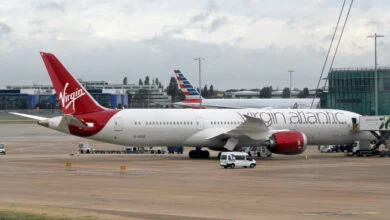
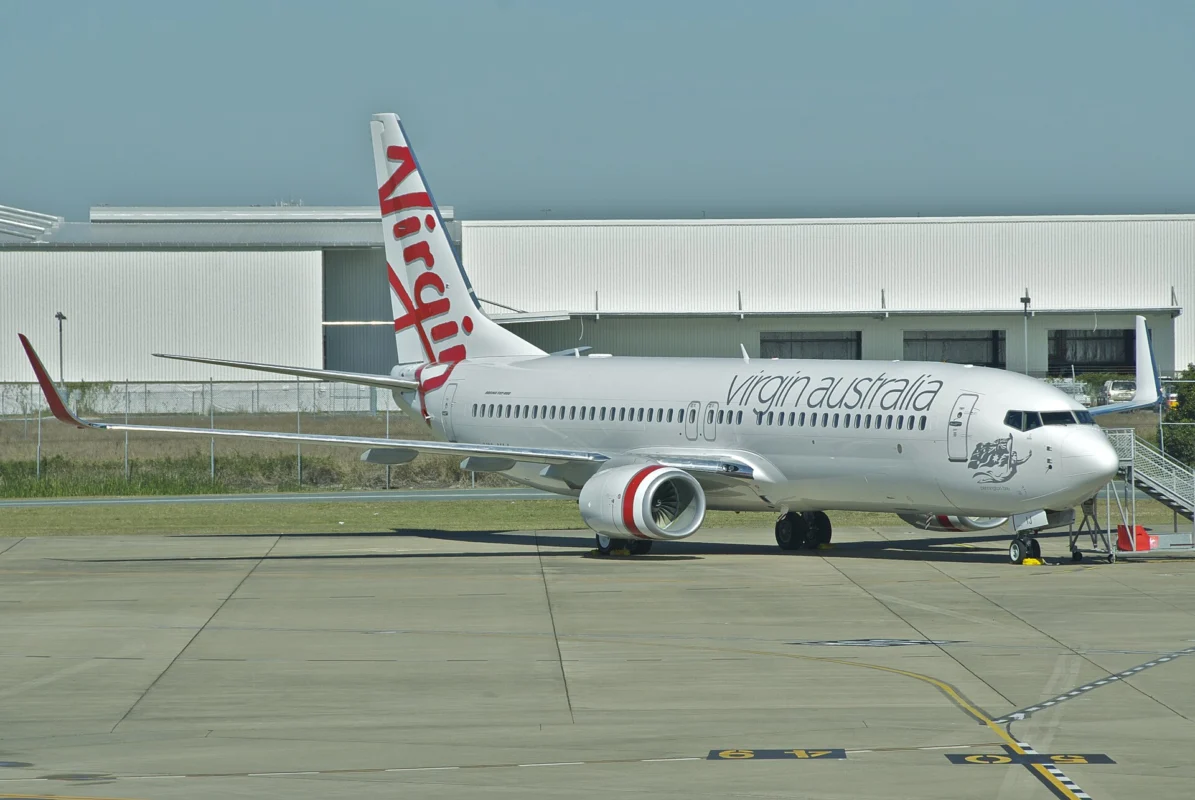
About $93 million in unused Virgin credits was put to a parliamentary inquiry in June 2026. The credits covered flights cancelled between 21 April 2020 and 31 July 2022, during the pandemic. Virgin’s annual report, released in late August, counted $75 million in expired credits as part of its 2026 net profit. Customers had to book replacement flights by 30 June 2026. After pressure from consumer groups and politicians, Virgin kept the booking deadline and extended the date by which the flights had to be taken to 27 May 2027, an extension announced 12 days before the booking deadline, according to CHOICE. A Virgin spokeswoman told the ABC that more than 93 per cent of the credits had been redeemed and that the extension gave guests almost another year to travel. CHOICE says expiring credits should be converted to refunds automatically, and that customers should not have to chase them. Parliament is still working on the aviation charter and ombuds scheme that CHOICE says travellers are waiting for, and the transport department’s guidance says the interim ombudsperson has no formal power to resolve complaints. The draft charter calls for prompt and fair remedies after cancellations.
In 1988 a ticket to John Farnham’s Age of Reason tour cost $36.30. In June 2026, fans reaching the front of Ticketek’s virtual queue for a Farnham tribute concert faced prices of up to $1,650, and CHOICE chief executive Monique Perry told AAP that about seven per cent of the tribute tickets were affected by variable pricing. NRL fans buying through Ticketmaster found seats labelled “In Demand” at $175, one row and one bay from regular seats at $125. BTS fans were told prices for the band’s Australian shows would not be revealed until they were inside the virtual waiting room on the day of sale, and an open letter from fans called that an “unnecessary and completely avoidable position of difficulty and stress” in a cost-of-living crisis. Ticketmaster released the prices a day before presale and three days before general admission. Ticketmaster told AAP that event organisers set the prices, that it did not use surge pricing or algorithms that automatically raised prices as more fans joined a queue, and that “In Demand” prices did not automatically increase because more fans joined a queue.
Brandon Shields, commenting on CHOICE’s Facebook post announcing the awards, described the same pattern at other counters. “I’m noticing a few places that won’t display ticket prices until you actually attempt to buy one. Strike bowling, hoyts cinema etc.” Shields named Strike bowling and Hoyts, not Ticketek or Ticketmaster, and his point is the mechanism rather than the company: a price that stays hidden until the buyer has already committed to the purchase. Ticketmaster’s answer is that organisers set the price and the queue does not move it. The competition regulator’s position, as CHOICE reports it, is that creating an environment that puts unreasonable pressure on a customer to decide may break new unfair trading laws that commence in July 2027, though every case would need to be assessed. The law that would test that position passed parliament on 2 July 2026 and takes effect on 1 July 2027, with a general prohibition on unfair trading practices and specific rules on drip pricing.
A United States Senate staff report released in March 2026, titled “So Casually Cruel”, found that dynamically priced and premium tickets sold in North America rose from 2.8 million in 2019 to 22.8 million in 2022. It found that Ticketmaster’s Pricemaster pricing tool was enabled on 113 of its top 200 tours by September 2022, and that during a Morgan Wallen presale in 2021 the virtual queue was slowed or paused so tickets could be repriced. Live Nation chief executive Michael Rapino told investors in 2023 that outside the United States the company was in the first inning of rolling dynamic pricing out around the world. On 15 April 2026 a federal jury in New York found Live Nation and Ticketmaster liable on every antitrust count put to it, including monopolisation of primary ticketing, and found fans had been overcharged by $1.72 a ticket. The Justice Department had settled with the companies in the middle of the trial, without requiring Ticketmaster to be sold off, and the settlement still needs court approval under the Tunney Act while the states pursue remedies. In Britain, Ticketmaster agreed to change its sales tactics after the Competition and Markets Authority investigated misleading prices at Oasis concerts.
The Eco drying setting takes 811 minutes, or 13 and a half hours, to dry a full eight-kilogram load, and it is the setting that earned the Series 8i Heat Pump Washer Dryer Combo its eight-star energy rating for drying in CHOICE’s labs this year. The Eco washing program that earned its five-star washing rating takes 728 minutes. Run the two label programs back to back and the laundry takes more than 25 hours. A smaller 3.5-kilogram load on the Eco drying setting took around the same time as the full load. The default program took eight hours and 45 minutes. The laundry was still damp. The only test CHOICE describes as giving a time and a drying result people would be happy with was a 3.5-kilogram load on the regular drying program, at about three hours. The machine’s water use on the label setting was excellent. It used under a litre to dry a load, and CHOICE whitegoods expert Denis Gallagher said the heat-pump engineering was a genuine achievement. Gallagher said Hisense had broken no rules, because under Australia’s Greenhouse and Energy Minimum Standards framework the manufacturer nominates the program used for the efficiency test. Since October 2025, dryer labels have had to show the program cycle time in minutes, in small type below the stars, with a phase-in period of up to several years for many models. Hisense told the ABC that some customers prioritise energy efficiency and lower running costs and choose to run cycles overnight on off-peak electricity, while others place greater importance on speed and capacity.
The PlayStation end-user licence agreement says the software is licensed, not sold, and Sony can end the licence at any time with no obligation to issue a refund. That is the document behind Sony’s award. In June 2026 Sony told customers in Britain and Europe that its licensing agreement with StudioCanal was ending, and CHOICE says 500 StudioCanal movies that people had paid for were set to be removed from their digital libraries. Sony’s posted list of affected titles covers 551 movies and television shows, with removal set for 1 September 2026 and no refund offered. Sony has reversed a removal once before. In December 2023 it dropped a plan to delete purchased Discovery shows from PlayStation libraries after a backlash and struck a new licensing deal. From January 2028 all new PlayStation games will be digital-only, with no more discs, and in July 2027 Sony will close the older PlayStation 3 and PS Vita digital stores, with existing purchases still available to download for the “foreseeable future”. The PlayStation Store checkout uses the words “Order & Pay” and “purchase” with no clear indication at that step that the buyer is renting the software, according to CHOICE games expert Peter Zaluzny, unless the buyer opens an optional menu and reads pages of legal documentation. There is no second-hand market for digital games, because the licence is personal and non-transferable.
A single 32-gram packet costs $6.50, which is $20.31 per 100 grams. A 170-gram bag of Nacho Cheese Doritos costs $3.50, or $2.06 per 100 grams, making the Quest chips 886 per cent more expensive by weight on CHOICE’s comparison. The Quest chips contain 18 grams of protein a serve, against 1.4 grams of fibre and 327 milligrams of sodium, while the Doritos contain 1.6 grams of fibre and 115 milligrams of sodium in the same 32 grams. The packet says the chips are not suitable for children under 15 or pregnant women and should only be used under medical or dietetic supervision, beside marketing that says they are not just for athletes but for everyone. CHOICE said it asked Quest about the warnings and received no response. Curtis David, commenting on CHOICE’s Facebook post under the awards announcement, answered the protein framing rather than the price maths. “The quest chips are about the low carbs not the protein. They are chips you can eat on a low carb diet. Also they are always on sale for half that price on Amazon.” David’s Amazon price is his own claim, not a price CHOICE checked, and it does not answer CHOICE’s shelf-price comparison, but his first point lands on the label itself: the packet sells a diet use that CHOICE’s protein-premium measurement does not price. CHOICE found protein-labelled versions of foods cost about 50 per cent more per 100 grams on average across the range it checked.
Petcover’s Economy policy resets the clock every year. Customers are sold an entirely new policy at 12 months, and any condition the pet suffered in the previous year is classified as pre-existing and excluded, even though the customer stayed with the same insurer. The definition of a pre-existing condition is one of the broadest CHOICE says it has seen: it includes any condition with the same clinical signs as another illness or injury, so a cat whose pancreatitis showed as vomiting and food refusal risks losing cover for other conditions with the same signs. Cover for any single condition lasts 12 months, so a complex injury or an illness needing ongoing treatment is paid for in the first year and then left to the owner. Benefits fall as the pet ages, from up to 100 per cent of vet costs while the pet is young to 65 per cent once the pet reaches 10. CHOICE rates the Economy policy at 25 per cent in its pet-insurance comparison. The whole pet-insurance industry won a Shonky in 2019 after CHOICE reviewed 86 policies. Merryn Henry, replying to another commenter on CHOICE’s Facebook post announcing the awards, said she had already left the insurer. “Stay well clear of Pet Cover as an insurer, I changed from them ages ago! They thoroughly deserve the Shonky award!!! Well done Choice !!!” Henry did not say why she changed. Her switch is her own experience, not evidence about the policy wording. It sits beside the one feature of the policy CHOICE singles out as different: most insurers keep covering conditions a pet develops while insured, and this one starts again each year. No response from Petcover appeared in the coverage surveyed for this article.
Sony’s StudioCanal titles came out of British and European PlayStation libraries on 1 September 2026. Virgin’s unbooked credits expired on 30 June 2026, the booking deadline the airline kept.