

Acer Challenges the Decade-Long Memory Shortage Forecast
PC prices may peak in 2027 as Acer disputes prolonged memory shortages
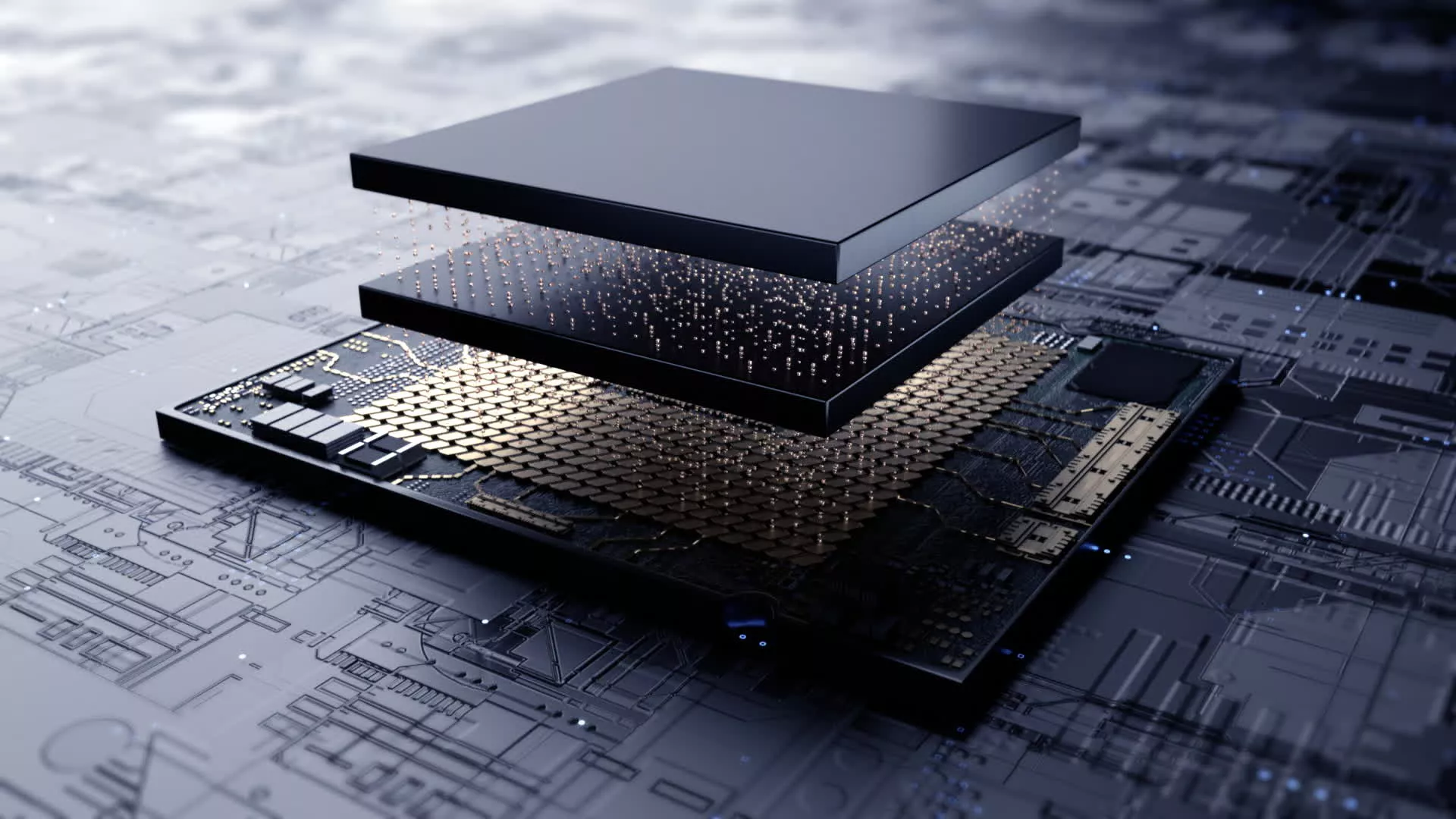
Global consumers are facing a projected 5% to 20% increase in personal computer prices later this year, while a corporate dispute intensifies over whether the memory chip shortage is a genuine supply crisis or a calculated effort by silicon giants to preserve high profit margins.
Acer Inc., one of the world’s largest PC manufacturers, is at the center of the argument. Speaking recently to trade publication DigiTimes, Acer Chief Executive Jason Chen said the worst pricing pressure could ease by late 2027. His forecast directly contradicts rival executives who expect tight supply to continue into the next decade.
The pricing crisis began last year when a massive wave of global AI data center construction redirected enormous quantities of high-bandwidth memory (HBM) and standard DRAM toward technology infrastructure. DRAM prices quintupled, leaving manufacturers of PCs, smartphones, graphics cards, and gaming consoles to absorb or pass down higher costs.


That increase has also weakened demand for central processing units (CPUs) and motherboards, because expensive memory has stalled complete system upgrades. On a per-unit basis, industry analysts say today’s memory market resembles the highly volatile conditions of nearly two decades ago, during the mid-2000s transition to DDR2 memory.
The established memory cartel is dominated by U.S.-based Micron Technology and South Korean giants Samsung Electronics and SK Hynix. Micron CEO Sanjay Mehrotra projected earlier this year that supply constraints would continue well beyond 2027, while SK Hynix CEO Kwak Noh-Jung said the shortage would peak in 2027 and that market conditions would remain tight through 2030. Adata Technology Chairman Chen Li-bai has predicted that elevated pricing could continue for another ten years.
Chen argues that such multi-year forecasts are intended to extend the lucrative profit margins created by the artificial intelligence boom. He said supply for standard varieties of random-access memory (RAM) and solid-state drives (SSDs) has largely normalized, with actual shortages isolated to high-end, cutting-edge components such as top-tier DDR5 modules and specialized processors like Nvidia’s N1X.
Acer’s more optimistic late-2027 timeline is tied partly to alternative suppliers, particularly in China. ChangXin Memory Technologies (CXMT), a state-backed Chinese DRAM manufacturer founded in 2016, is rapidly expanding production capacity despite strict U.S. export controls designed to limit China’s access to advanced semiconductor manufacturing equipment.
The prospect of Chinese memory entering mainstream consumer electronics has begun reshaping geopolitical alliances in the supply chain. Reports indicate that Apple Inc. is evaluating CXMT as a potential memory supplier to reduce rising hardware costs. Apple made a similar, highly controversial attempt in 2022 to source NAND flash memory from China’s Yangtze Memory Technologies Corp (YMTC), but shelved the plan after intense pressure from U.S. lawmakers.
CXMT currently sits on the U.S. Pentagon’s blacklist of Chinese military-linked companies, making a potential supply agreement with Apple a highly sensitive geopolitical issue. For hardware buyers, Acer’s Chen expects PC retail prices to rise by 5% to 20% in the coming months, peak in the first half of 2027, and then decline as projected new supply arrives. Whether Chinese manufacturing can bypass Western restrictions to flood the market with cheaper silicon will determine whether prices remain high for a decade or correct by 2027.









