U.S. Senate Panel Advances Kids Online Safety Act, Setting Up Clash With House Over Tech Liability
The Senate Commerce Committee approved KOSA for a floor vote, setting up key policy clashes with the House over tech platform liability.
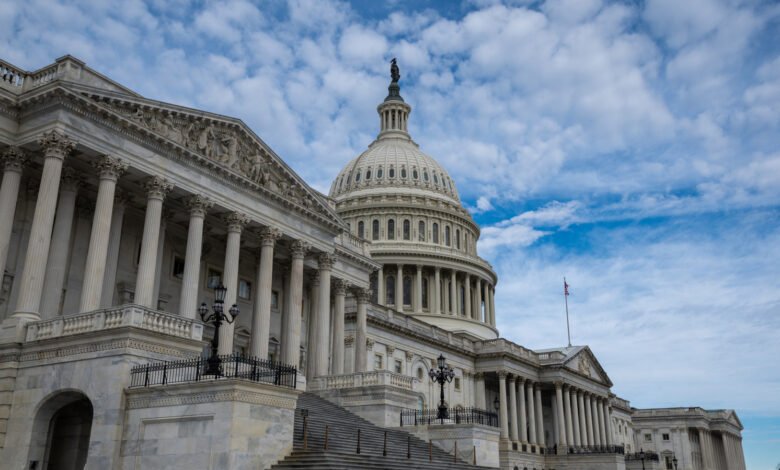
WASHINGTON — A landmark U.S. bill designed to force social media platforms to protect minors cleared a crucial legislative hurdle as the Senate Commerce Committee voted to advance the Kids Online Safety Act, setting up a potential Senate floor vote and a sharp policy debate over corporate liability.
The move opens a path for full congressional consideration of the Kids Online Safety Act, known as KOSA, but highlights unresolved differences between the chambers. The House of Representatives passed its own version of the bill in June as part of the broader Kids Internet and Digital Safety (KIDS) Act, which bundled KOSA with COPPA 2.0, an updated children-and-teens-focused privacy law. Disagreements over the finer details of the legislation previously led to it being abandoned in past years, including in 2024, the last time the Senate approved a version of KOSA.
Central to the Senate draft is a mandate requiring social media applications to provide tools for children and teenagers to opt out of addictive features, specifically algorithmic recommendation engines. The Senate version also includes explicit language imposing a legal “duty of care” on online platforms, obligating them to mitigate content promoting sexual exploitation and eating disorders. The House version notably omits this duty of care requirement.
The Senate legislation has garnered backing from tech industry players including OpenAI, Apple, Microsoft, X, and Snap, several of which contributed directly to the bill’s wording. However, industry trade groups such as NetChoice and digital rights advocacy organizations remain opposed, arguing the legal framework incentivizes platform censorship and compromises user privacy.
“Despite the usual and continued insistence that KOSA protects kids, the duty of care enforced by a Trump FTC would be a censorship and surveillance nightmare, especially for LGBTQ+ youth who need online communities now more than ever to connect, organize politically, and find resources that are being restricted in public space by the Trump administration and rightwing state governments,” civil rights organization Fight for the Future said in a statement.
Civil liberties groups caution that enforcement could force websites to institute broad mandatory identity checks for all consumers. “Bills that incentivize or require age verification promise safety, but all they deliver is a future where everyone has to undergo invasive identity verification measures that will almost certainly put their sensitive data at risk,” said Jenna Leventoff, senior policy counsel at the American Civil Liberties Union (ACLU). “We shouldn’t need to fork over our IDs, biometrics, or personal information to access the Internet, but that’s exactly what will happen if these bills become law.”