The Rise of the Entertainment Super-App: How AI is Erasing the Lines Between Video, Music, and Gaming
How tech giants are using AI to erase the boundaries between video, music, and gaming to capture maximum attention.

The era of the single-format digital entertainment app is coming to an end. For over a decade, Silicon Valley and media conglomerates fought distinct, parallel wars: Spotify battled Apple for music dominance, Netflix defended its streaming television crown, YouTube ruled user-generated video, and TikTok pioneered the short-form social scroll. Today, those boundaries are disintegrating. Powered by advanced Artificial Intelligence, the world’s largest digital platforms are rapidly converging into multi-format “super-apps” designed to capture every spare second of consumer attention.
This structural shift comes as the global streaming market reaches maturity. The explosive subscriber growth of the 2010s has plateaued, forcing companies to pivot their strategies. Instead of chasing new sign-ups in saturated markets, platforms are now focused on maximizing average revenue per user (ARPU) and increasing daily active usage. By offering a diverse mix of music, video, podcasts, audiobooks, and games, these companies aim to keep users locked inside their ecosystems, driving up both subscription retention and advertising inventory.
Netflix has been one of the most visible pioneers of this cross-format expansion. Once strictly a destination for movies and television series, the streaming giant has aggressively branched out into interactive media and live programming. Over the past few years, the company has built a robust catalog of mobile games, integrated short-form promotional video feeds, and secured high-profile live sports broadcasts, including NFL Christmas Day games and WWE Raw. The goal is clear: capture the micro-moments of free time that users typically spend playing casual mobile games or scrolling through social media.
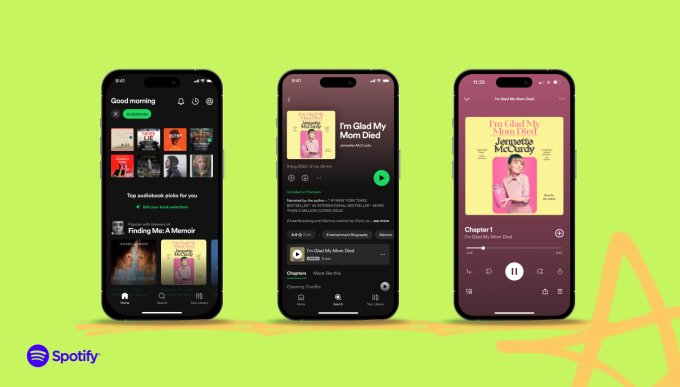
Meanwhile, Spotify has transformed itself from a music streaming service into a comprehensive audio and multimedia portal. After spending over a billion dollars to acquire podcast networks and technology, the Swedish company integrated video podcasts, interactive Q&As, and social messaging features. More recently, Spotify disrupted the publishing industry by offering thousands of audiobooks to premium subscribers, alongside fitness classes, narrated articles, and physical book sales. This aggressive diversification has allowed the platform to compete directly with Amazon’s Audible and traditional publishing distribution channels.
As these platforms expand horizontally, artificial intelligence has emerged as the critical engine making multi-format catalogs manageable. Historically, recommending a podcast to a music listener or a video game to a movie fan required entirely different algorithmic models. Today, generative AI and advanced machine learning architectures allow platforms to analyze user behavior across completely different content types, creating a unified “taste profile” that predicts what a user wants to consume next, regardless of the medium.
Spotify, for example, is currently testing conversational AI tools that allow users to build playlists and discover content using natural language prompts. During a recent earnings call, Netflix Co-CEO Greg Peters highlighted how new AI model architectures are allowing the company to iterate faster and improve content personalization, ensuring that its growing gaming and live sports offerings find the right audiences.

AI is also dramatically lowering the cost of content creation and platform engineering. Generative AI tools are being used to automate video dubbing, generate promotional art, and even assist in software development, allowing platforms to launch new features at a fraction of the historical cost. However, this shift has not been without controversy. The entertainment industry remains deeply divided over the ethical implications of AI training models, with artists and creators expressing intense concern over intellectual property rights and job displacement. Despite these tensions, tech platforms are leaning in; Netflix recently acquired Ben Affleck’s AI-focused filmmaking venture for $587 million, signaling a deep commitment to integrating these technologies into mainstream production workflows.
Alphabet’s YouTube has similarly positioned AI at the core of its ecosystem. The platform, which already spans long-form video, music streaming, ad-supported free movies, and premium television packages via YouTube TV, has rolled out a suite of generative AI tools for creators. According to official company statements, more than one million channels have utilized YouTube’s AI creation tools, while over 20 million consumers have engaged with its Gemini-powered content discovery features. Alphabet CEO Sundar Pichai has repeatedly emphasized in investor reports that AI will remain central to YouTube’s viewer retention and creator monetization strategies.

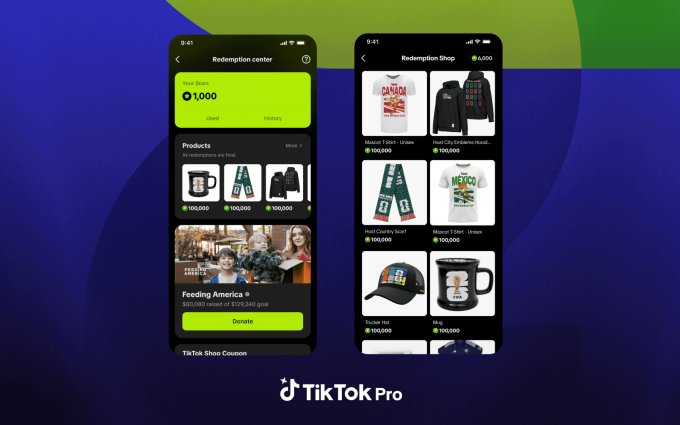
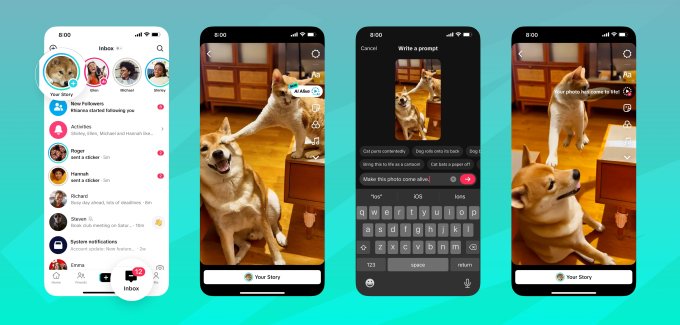
Not to be outdone, ByteDance’s TikTok has expanded far beyond its original 15-second video format. The platform now supports long-form uploads, local business exploration, travel planning, and ticketing for live entertainment. It has also launched dedicated standalone applications, including TikTok Pro Events for major sporting spectacles like the FIFA World Cup and music festivals. To bind these disparate features together, TikTok utilizes an in-app AI chatbot, AI-driven search engines, and automated video creation suites to keep users engaged within its ecosystem.
For consumers, the ultimate consequence of this convergence is a highly centralized digital experience. As Netflix, Spotify, YouTube, and TikTok build identical feature sets, the friction of switching between different applications increases. The platform that successfully establishes itself as the default portal for daily entertainment gains an immense competitive advantage, accumulating unprecedented amounts of user data and creating a level of customer lock-in that makes price hikes and subscription tier changes far easier to implement.