Powerball Jackpot Reaches $786 Million as Rollover Hits 40 Drawings
The ninth-largest jackpot in game history triggers critical tax and privacy choices for Wednesday's drawing.
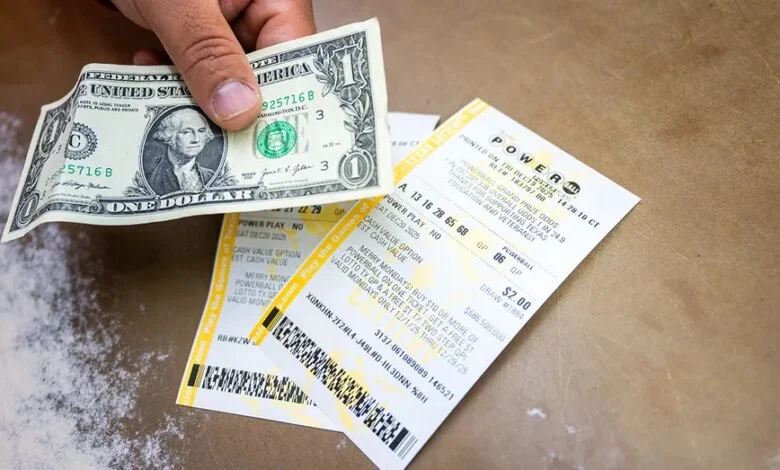
The Powerball jackpot reached an estimated $786 million ahead of Wednesday night’s drawing, marking the ninth-largest prize in the game’s history following 40 consecutive drawings without a grand prize winner.
A ticket holder selecting the cash option would receive an estimated $341.6 million before taxes, forcing the eventual winner to immediately navigate federal tax withholding thresholds, state privacy laws, and structural payout decisions. The alternative option is an annuity delivered through 30 graduated payments spanning 29 years.
The prize pool has accumulated continuously since May 2, when tickets purchased in Florida and Texas split a $20 million jackpot.
“The last time we saw a Powerball jackpot of this size was on Christmas Eve, with a $1.817 billion prize on the line,” said Stephen Durrell, the Powerball product group chair and Kansas Lottery executive director.
Financial strategy and privacy preservation take immediate precedence once a winning ticket is identified, according to Jeffery Degner, a research fellow in economics and economic freedom at the American Institute for Economic Research.
“If you live in a state that allows you to remain anonymous, remain anonymous,” Degner said. “Keep your mouth shut.”
Degner cautioned that public exposure following a major windfall rapidly draws uninvited financial requests from acquaintances and strangers. “When askers do eventually come, you should develop the habit of saying ‘no,’ early and often,” he said.
Tax liabilities present another immediate hurdle for the winner. While lottery officials automatically withhold 24% for federal taxes on lump-sum payouts, top-bracket federal income tax rates reach 37%, leaving an additional 13% tax burden due upon filing.
“Don’t be surprised by the taxes because the lottery is going to withhold about 24% on the initial payment,” Degner said, advising winners to immediately retain a tax attorney and a certified public accountant. “It’s tax strategy first, lifestyle later.”
Winners must also evaluate the financial trade-offs between the lump-sum cash prize and the annuity structured with 30 payments increasing by 5% annually, which offers built-in inflation protection. Conversely, taking the lump sum grants immediate access to capital for investment.
“When it’s all said and done, they actually are fairly close in the total return,” Degner said. He urged winners to avoid significant financial commitments, pay off high-interest personal debt, and resist “lifestyle creep” during the initial months.
Powerball tickets are sold for $2 across 45 states, Washington, D.C., Puerto Rico, the U.S. Virgin Islands, and the United Kingdom. The odds of winning any prize are 1 in 24.9, while the odds of hitting the jackpot stand at 1 in 292.2 million.