

Backup Camera vs. Rearview Camera: Key Differences Explained
Federal law mandates backup cameras in all new U.S. vehicles, but rearview cameras remain optional equipment with distinct optical differences.
Drivers shopping for vehicle safety equipment frequently confuse backup cameras with rearview cameras, but the two systems serve fundamentally different purposes, operate under distinct legal requirements, and use different optical hardware. Understanding the distinction matters for anyone buying a new car, upgrading an older model, or towing heavy loads.
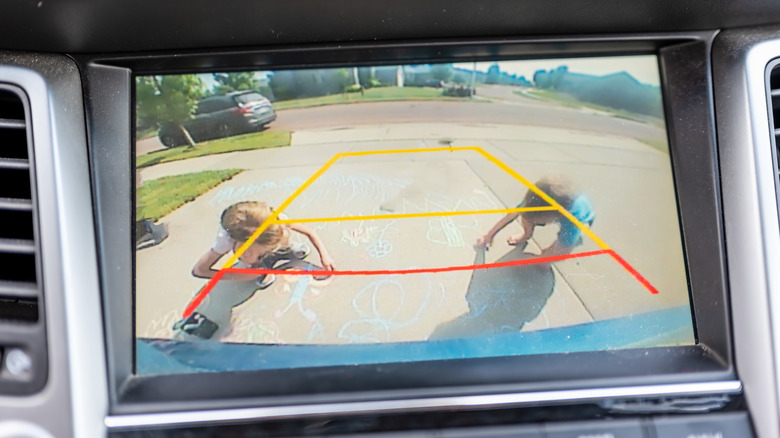
A backup camera activates exclusively when a transmission shifts into reverse. Its primary function is to eliminate the blind spot directly behind a vehicle during low-speed maneuvers like parking or exiting driveways. These systems rely on wide-angle or fisheye lenses that typically capture between 150 and 180 degrees of the immediate surroundings. The video feed routes directly to the dashboard infotainment screen and usually overlays dynamic guidance lines that curve in response to steering input, helping drivers project their vehicle’s path.
Federal law requires every new passenger vehicle sold in the United States to include a factory-installed backup camera. The National Highway Traffic Safety Administration enforced this mandate starting in May 2018 following years of data showing hundreds of fatalities annually from back-over incidents, disproportionately involving young children and elderly pedestrians. The European Union implemented a parallel requirement in 2022. Because of these regulations, any car built for the U.S. market from the 2018 model year onward comes equipped with one as standard.


Rearview cameras operate continuously while driving rather than only in reverse. Instead of a distorted wide-angle perspective, they use narrower lenses designed to replicate natural human vision, providing a clear, undistorted look at trailing traffic. Automakers do not face federal mandates to install them, meaning availability depends entirely on the manufacturer and trim level. Many modern vehicles integrate this functionality through digital rearview mirrors—glass panels that can toggle between traditional reflection and a live video feed sourced from a roof-mounted or trunk-mounted camera. Nissan popularized this technology around 2016, and it has since spread across luxury and mainstream brands.
The continuous feed makes dedicated rearview cameras particularly valuable for drivers of recreational vehicles, commercial trucks, or anyone hauling trailers that completely block a standard interior mirror. They also provide crucial evidence if another driver strikes your vehicle from behind, functioning similarly to a rear-facing dash cam.
For owners of pre-2018 vehicles lacking a factory backup camera, aftermarket solutions range from $40 for basic wireless kits to over $400 for integrated systems with high-resolution displays. Wireless kits transmit video via radio frequency or Wi-Fi to a standalone monitor, which often clips directly onto the existing rearview mirror. Some drivers repurpose old tablets as dedicated display screens for these add-on units.
While a rear-facing dash cam can technically double as a makeshift reversing aid on older cars, it lacks the proximity sensors and trajectory guidelines engineered into purpose-built backup systems. Modern vehicles increasingly fuse both technologies alongside ultrasonic parking sensors and radar-based cross-traffic alert systems, creating a comprehensive perimeter awareness network rather than relying on a single lens.









