

Ubuntu 26.10 Launches With Local AI Voice Agent Myna
The interim release processes voice commands locally, ships with Linux 7.3 for next-gen chip support, and adopts Sequoia PGP for repository verification.
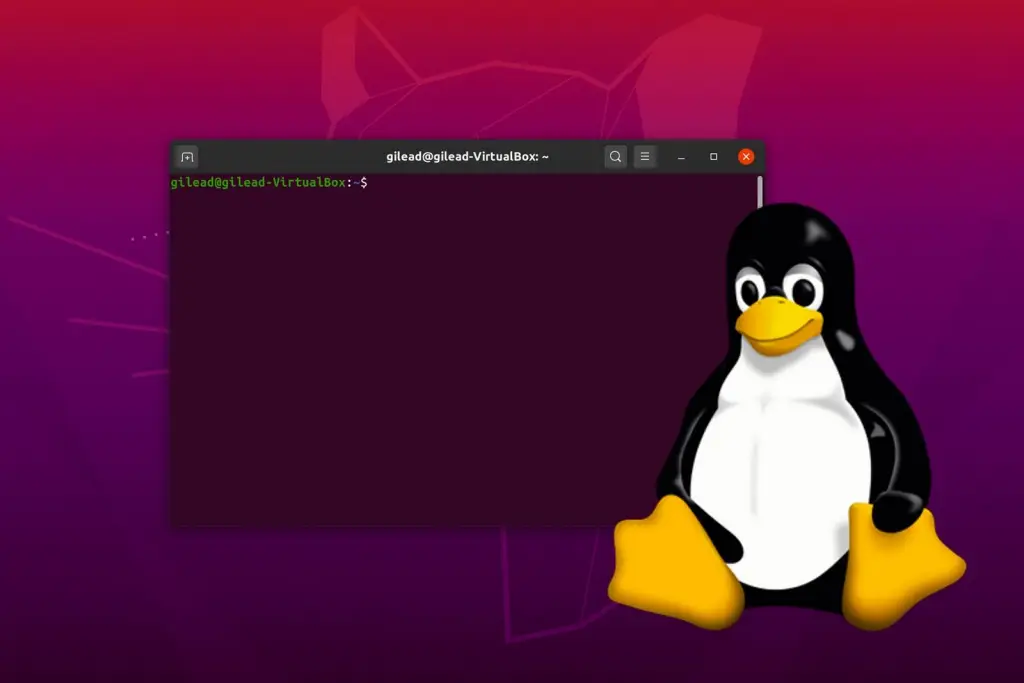
Canonical released Ubuntu 26.10 on Thursday, introducing a locally processed voice assistant called Myna that operates without transmitting user data to external servers. The release, codenamed Stonking Stingray, also ships with the Linux 7.3 kernel and replaces GnuPG with Sequoia PGP for repository signature verification.
Myna converts speech to text using language models running entirely on the host machine. Unlike Microsoft Copilot, which integrates deeply into Windows 11 and relies heavily on cloud-based processing through Azure OpenAI services, Canonical’s approach keeps all inference local. The assistant currently supports Parakeet, Whisper, and FunASR speech recognition models. Systems equipped with NVIDIA graphics cards can offload processing to the GPU to reduce latency.
The preview version handles natural-language requests tied to development workflows. A programmer can ask Myna to investigate failing tests, prompting the system to gather logs, locate relevant source files, and prepare debugging environments. Direct manipulation of the graphical desktop interface remains unsupported in this initial build.

Canonical plans to ship Myna as a default component in Ubuntu 28.04 LTS, scheduled for April 2028. Interim releases will expand its capabilities before it reaches long-term support status. Users testing the current preview must add a dedicated personal package archive via the terminal and install the myna-config package manually.
Linux 7.3 arrives as the foundation of Ubuntu 26.10, bringing native driver readiness for Intel Xe3P (Nova Lake), AMD Zen 6, and NVIDIA 615 architectures. The kernel also introduces built-in support for Lustre, a parallel distributed file system widely deployed in high-performance computing clusters and large-scale scientific research facilities where petabyte-level data throughput is required.
Security architecture received two significant upgrades. Full disk encryption tied to Trusted Platform Modules now extends to hardware lacking a dedicated root of trust, allowing users to authenticate decryption through PINs or passwords on older or budget devices. Repository integrity checks transitioned from GnuPG to Sequoia PGP, a Rust-based OpenPGP implementation designed with memory safety guarantees and structural flexibility for post-quantum cryptographic algorithms.
GNOME 51 serves as the default desktop environment, refining multi-monitor management and accessibility tooling. Screen reader users relying on Orca gain improved compatibility with applications built on the Flutter framework. The App Center consolidates handling of both Snap and Deb packages into a unified interface, addressing longstanding fragmentation complaints from the community.
For developers building artificial intelligence applications, Ubuntu 26.10 updates AMD’s ROCm platform to version 10.0. The upgrade adds support for newer GPU architectures and integrates frameworks including vLLM and SGLang, expanding options for local model serving beyond NVIDIA’s CUDA ecosystem.
Ubuntu 26.10 is available for download as an interim release. Canonical provides nine months of standard security maintenance for non-LTS versions, meaning support for Stonking Stingray ends in July 2027.









