

Microsoft Defender Expands to Linux Desktops and Servers
Plan 2 and M365 E5/E7 subscribers gain unified threat hunting across RHEL, Ubuntu, Debian, SUSE, Fedora, and Oracle Linux.
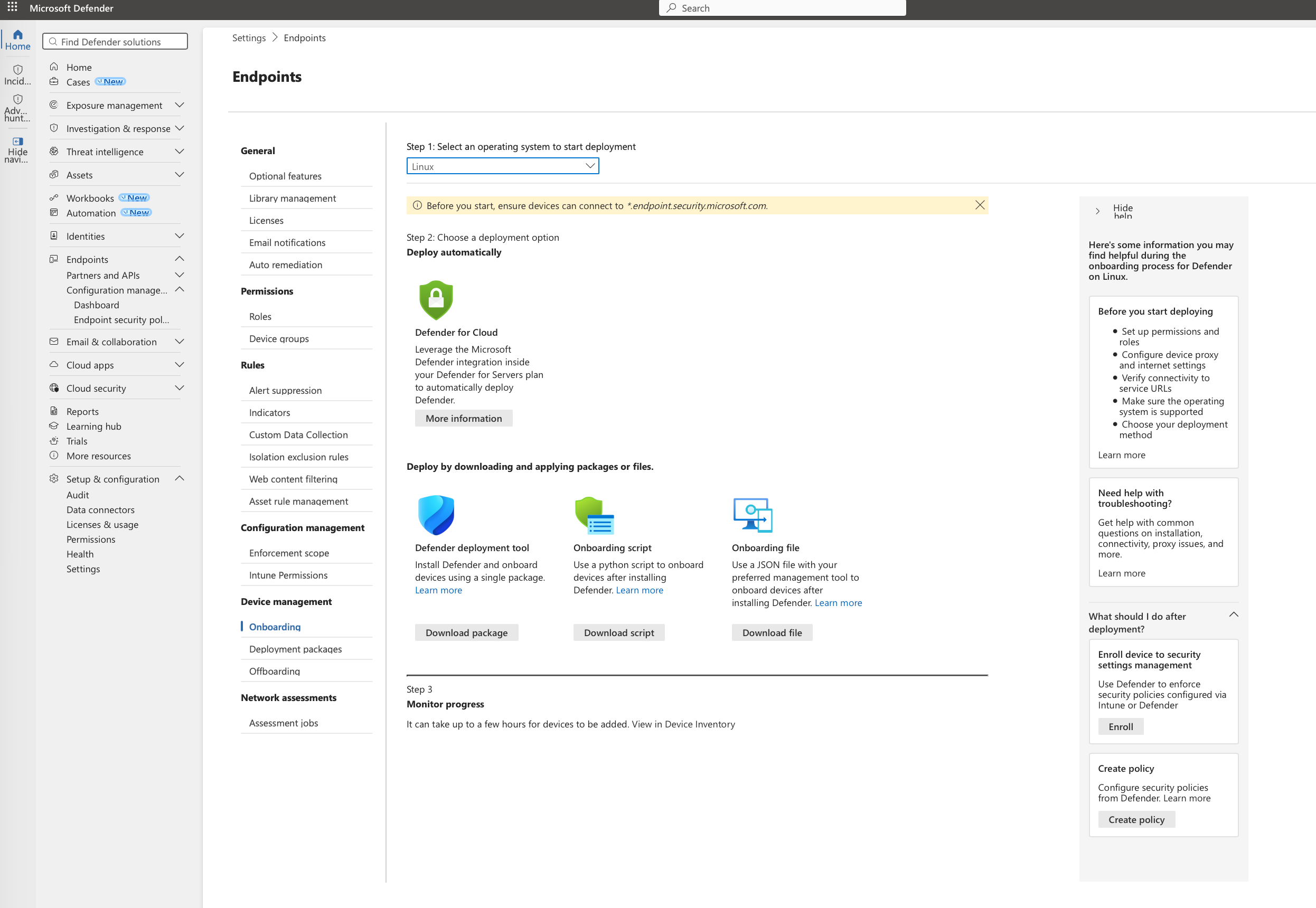
Enterprise security teams managing mixed operating system environments can now deploy Microsoft Defender for Endpoint across major Linux distributions, covering both desktop workstations and server infrastructure. The expansion brings the same centralized threat-hunting, device isolation, and vulnerability management tools previously reserved for Windows fleets into Linux ecosystems.
The move targets a specific operational friction point in modern software development. Engineering teams routinely build code on Linux machines while corporate IT departments standardize security monitoring on Windows-centric platforms. By extending Defender’s next-generation antivirus engine to Linux, organizations eliminate the need to run parallel security stacks or rely on third-party agents that do not feed telemetry into a unified management console.
Defender for Endpoint currently supports Red Hat Enterprise Linux (RHEL), Ubuntu, Debian, SUSE, Fedora, and Oracle Linux. Coverage applies equally to desktop and server editions, allowing administrators to enforce consistent security policies regardless of the machine’s role in the network architecture.


Linux endpoints have become primary targets for supply chain attacks, particularly those aimed at developers with access to remote code repositories, continuous integration pipelines, and cloud infrastructure. Unlike traditional malware campaigns focused on end-user data theft, attacks on developer workstations often seek to inject malicious code upstream before it reaches production environments. Native endpoint detection and response (EDR) capabilities on these machines are critical for identifying unauthorized modifications to build scripts or compromised dependencies.
Historically, Linux security relied heavily on network-level firewalls, SELinux policies, and open-source antivirus engines like ClamAV, which primarily scan files on demand rather than providing real-time behavioral analysis. Microsoft’s entry shifts the paradigm toward active, kernel-level monitoring on Linux, matching the behavioral heuristics and automated remediation workflows that enterprise security operations centers expect from commercial EDR products.
This expansion also strengthens Microsoft’s competitive position against dedicated cross-platform endpoint security vendors such as CrowdStrike, SentinelOne, and Carbon Black, all of which have long supported Linux agents. By bundling Linux protection into existing enterprise agreements, Microsoft reduces the incentive for customers to procure standalone security solutions for their non-Windows assets.
Access to the Linux capabilities requires a Microsoft Defender for Endpoint Plan 2 subscription, or a broader Microsoft 365 E5 or E7 license. Administrators manage threat response, configure security settings, and analyze device inventory through the same centralized portal used for Windows endpoints, including systems hosted in external cloud environments or remote data centers.









