Phone Battery Replacement Costs Block Cheaper Device Upgrades
Despite plunging lithium-ion cell prices, Apple and Samsung maintain steep out-of-warranty repair fees as device costs surge.
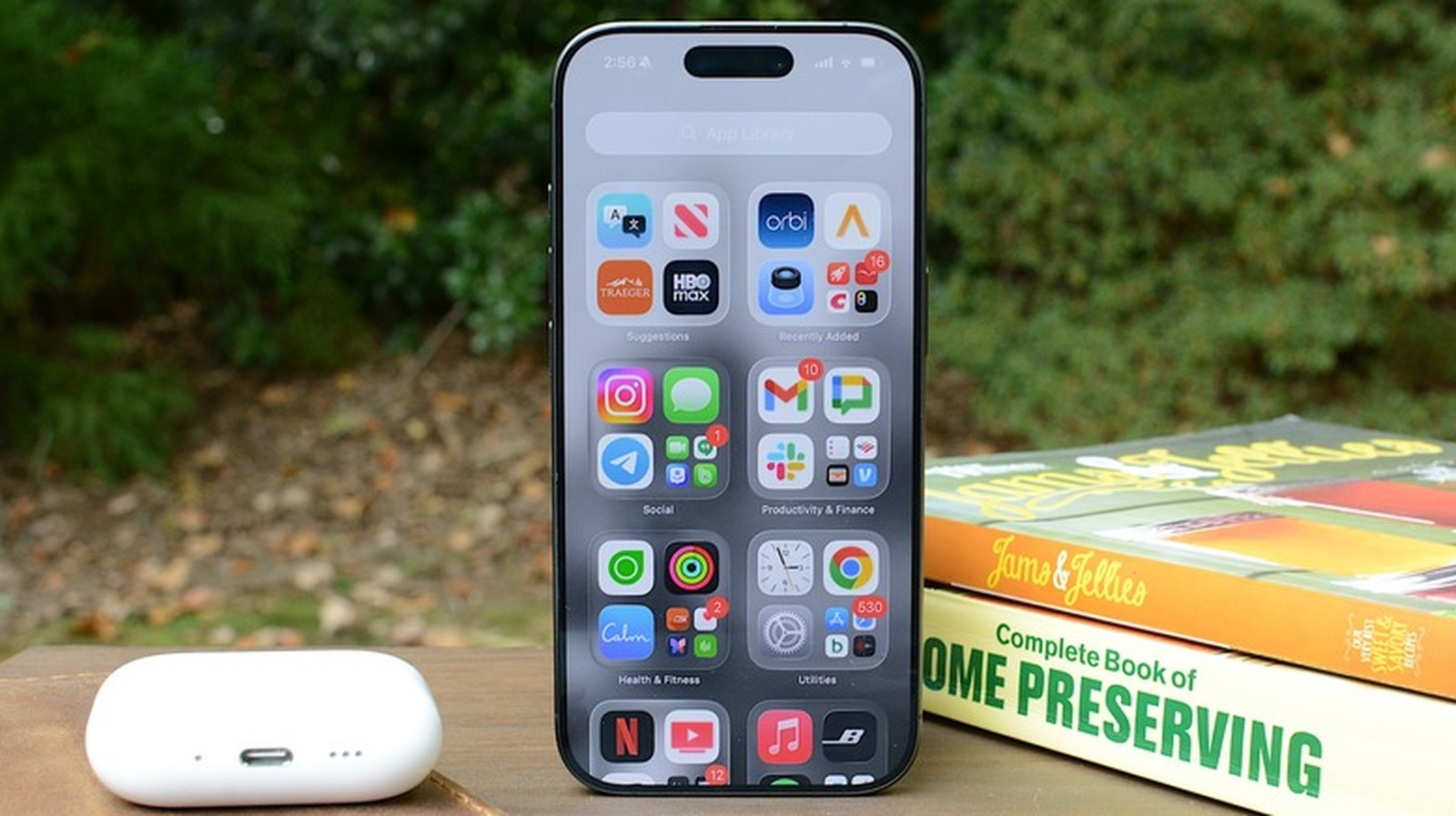
A global memory shortage driving smartphone prices up roughly 20 percent this year has forced consumers to hold onto devices longer, but the industry’s refusal to lower out-of-warranty battery replacement costs remains the primary barrier to extending handset lifespans.
Lithium-ion cells, the core component of every smartphone battery, have experienced dramatic cost reductions over the past decade. According to BloombergNEF, average lithium-ion battery pack prices fell from over $1,100 per kilowatt-hour in 2010 to roughly $139 by late 2023, with continued downward pressure since. Yet major manufacturers have not translated those raw material savings into cheaper repair services for consumers.
Apple currently charges $129 to replace the battery on its newest Pro models, a $10 premium over older Pro devices. Legacy handsets like the 2020 iPhone 12 cost $89 for an out-of-warranty swap, while the dual-screen iPhone Duo commands $229. Samsung does not publish standardized out-of-warranty pricing on its consumer site, though authorized service centers typically charge between $99 and $129 depending on the model.

Both companies heavily market extended protection plans—AppleCare+ and Samsung Care+—which bundle battery replacements into subscription-like packages purchased shortly after device acquisition. For users outside those programs, third-party repair networks such as iFixit offer do-it-yourself kits, though modern smartphones are engineered with heavy adhesive and proprietary screws that complicate independent repairs.
The financial friction of battery replacements directly contradicts historical evidence showing that affordable servicing keeps devices in circulation. During a one-year program in 2018 triggered by revelations that Apple had deliberately slowed older iPhones to manage aging batteries, the company slashed U.S. replacement fees to $29. Annual battery swaps surged from an estimated 1 million to 2 million units to approximately 11 million.
When then-CEO Tim Cook lowered Apple’s first-quarter 2019 revenue forecast, he cited customers choosing cheap battery swaps over new phone purchases. However, Apple’s 5 percent year-over-year revenue decline—and its 15 percent drop in iPhone sales—was largely attributed to macroeconomic headwinds in China exacerbated by U.S.-China trade tensions, rather than the repair program alone.
Today, the economic math for consumers is significantly tighter. Smartphone base prices have escalated sharply. Apple raised the price of existing models, including the iPhone 17, by $100 on the same day it unveiled the iPhone 18 Pro and iPhone Duo. Samsung implemented identical $100 hikes across most S26 variants earlier this month, following launches that already priced above 2025 counterparts. The midrange sector reflects the same trajectory: Samsung’s S26 FE debuted at $700, exceeding the launch prices of both the S25 FE and S24 FE while offering marginal hardware improvements.
These increases far outpace broader inflation. A $100 hike on a previously $799 device represents a 12.5 percent jump. By comparison, overall U.S. consumer prices have risen approximately 34 percent cumulatively since January 2018, meaning the purchasing power of a dollar has eroded by roughly a quarter over eight years.
Wage growth has failed to offset the disparity for typical workers. While average hourly earnings for private-sector employees rose 11.9 percent between pre-pandemic levels and December 2020—outpacing the 5.3 percent Consumer Price Index increase at the time—median weekly wages adjusted for inflation actually declined about 3.2 percent between December 2020 and December 2025, according to Pew Research Center data. Real average hourly earnings sit roughly 1 percent below their December 2020 peak.
Manufacturers point to rising labor expenses, complex assembly requirements, and supply chain volatility to justify premium pricing. Memory chip constraints represent the most acute current pressure. Industry forecasts from SK Hynix and other semiconductor producers indicate that global memory supply will not stabilize against demand until 2030.
Unlike processors and RAM modules, however, battery chemistry does not face the same fabrication bottlenecks or lithography limitations. The divergence between falling cell costs and static or rising replacement fees suggests that repair pricing functions less as a reflection of manufacturing expense and more as a mechanism to preserve upgrade-cycle profitability.
Samsung confirmed its updated S26 lineup pricing structure during its early October product refresh.