

Tesla Roadster 2028 Production Pledge Follows Nine Years of Delays
The electric sports car now requires a $250,000 deposit for the rocket-equipped Thrust trim after missing every previous delivery deadline since 2020.
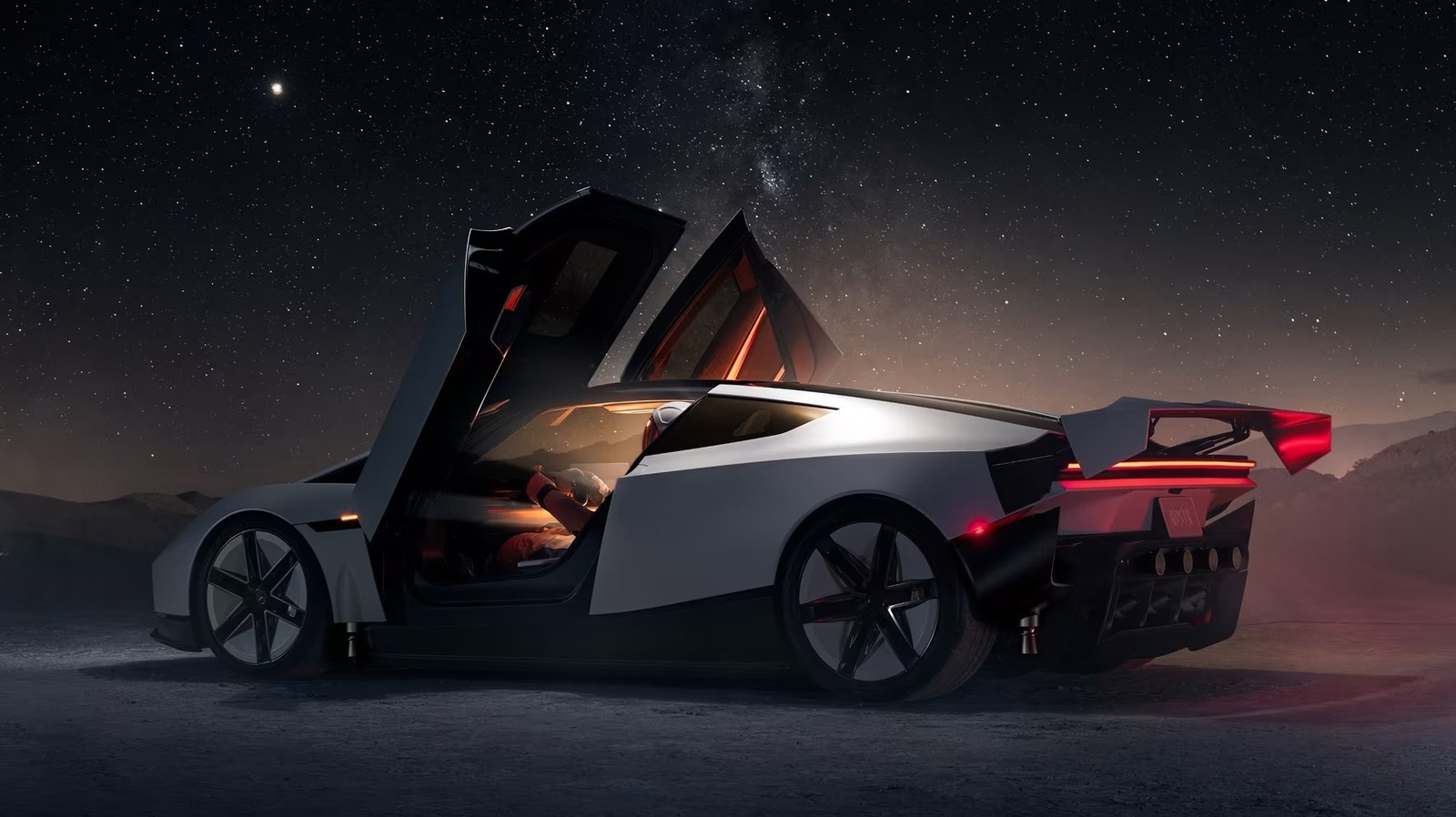
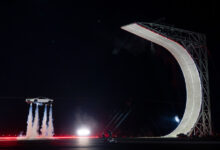
Tesla is targeting a 2028 production start for its second-generation Roadster, CEO Elon Musk confirmed during an October 15 event where the redesigned electric sports car descended from a C-shaped ramp using cold-gas rocket thrusters. The demonstration capped nearly nine years of shifting timelines for a vehicle first unveiled in November 2017 with an original delivery target of 2020.
The latest iteration features a “Thrust” trim level requiring a $250,000 reservation deposit. That package incorporates the cold-gas propulsion system displayed at the event, an evolution of the SpaceX-inspired option Musk initially teased in February 2018. At that time, he described a configuration of roughly ten small rocket thrusters designed to improve acceleration, braking, and cornering dynamics.
Automakers routinely use concept reveals to gauge market interest, but the Roadster’s timeline represents an extreme outlier in modern vehicle development. Standard automotive engineering cycles run three to five years from design freeze to start of production. Tesla has pushed the Roadster’s schedule back annually since 2020. Musk projected production within 12 to 18 months during a July 2020 earnings call, subsequently moving the target to 2022, then 2023, before issuing further delays through 2024.

Unlike traditional manufacturers that place customer deposits into escrow or apply them directly to build slots, Tesla has held Roadster reservation funds—ranging from $50,000 to $250,000—for years without delivering a production vehicle. High-profile deposit holders have grown vocal about the limbo. Technology creator Marques Brownlee noted on his Waveform podcast in September 2025 that Tesla had held his $50,000 deposit for eight years. OpenAI CEO Sam Altman has similarly flagged his unresolved reservation.
The prolonged delay coincided with severe corporate turbulence. Musk’s tenure leading the Department of Government Efficiency under President Donald Trump triggered widespread global protests against Tesla dealerships and facilities. A July 2025 study published in The Lancet projected that DOGE-related federal cuts could result in more than 14 million deaths by 2030—a figure Musk disputed. He stepped down from the government role in May 2025 amid allegations of substance abuse and publicized family disputes. Tesla recommitted to the Roadster program shortly after, in April.
Cold-gas thrusters, which expel compressed gas rather than combusting fuel, are standard components in spacecraft attitude control systems. Integrating them into a street-legal passenger vehicle introduces significant regulatory hurdles. The National Highway Traffic Safety Administration and the Department of Transportation have no existing framework for road cars equipped with pressurized aerospace propulsion. Homologating such a system for public roads will likely require extensive lobbying or specialized exemptions, adding friction to the 2028 goal.
The original Roadster established Tesla’s manufacturing credibility when it launched in 2008. Conceived by founders Martin Eberhard and Marc Tarpenning before Musk’s 2004 entry as lead investor, the vehicle utilized a Lotus Elise chassis to deliver a then-unprecedented 244 miles of battery range. Fewer than 2,500 units were built before production ended in 2012.
Musk stated “We enter production in 2028. Actually, for real” during the October presentation. No specific month or factory location was provided. Tesla currently manufactures vehicles at facilities in Fremont, California; Austin, Texas; Shanghai; and Berlin, though the company has not designated which plant would handle low-volume sports car assembly.









