

Warsh Breaks With Fed Tradition as Markets Reprice Rate Outlook
Warsh’s hawkish message sends markets lower and leaves the next rate move uncertain
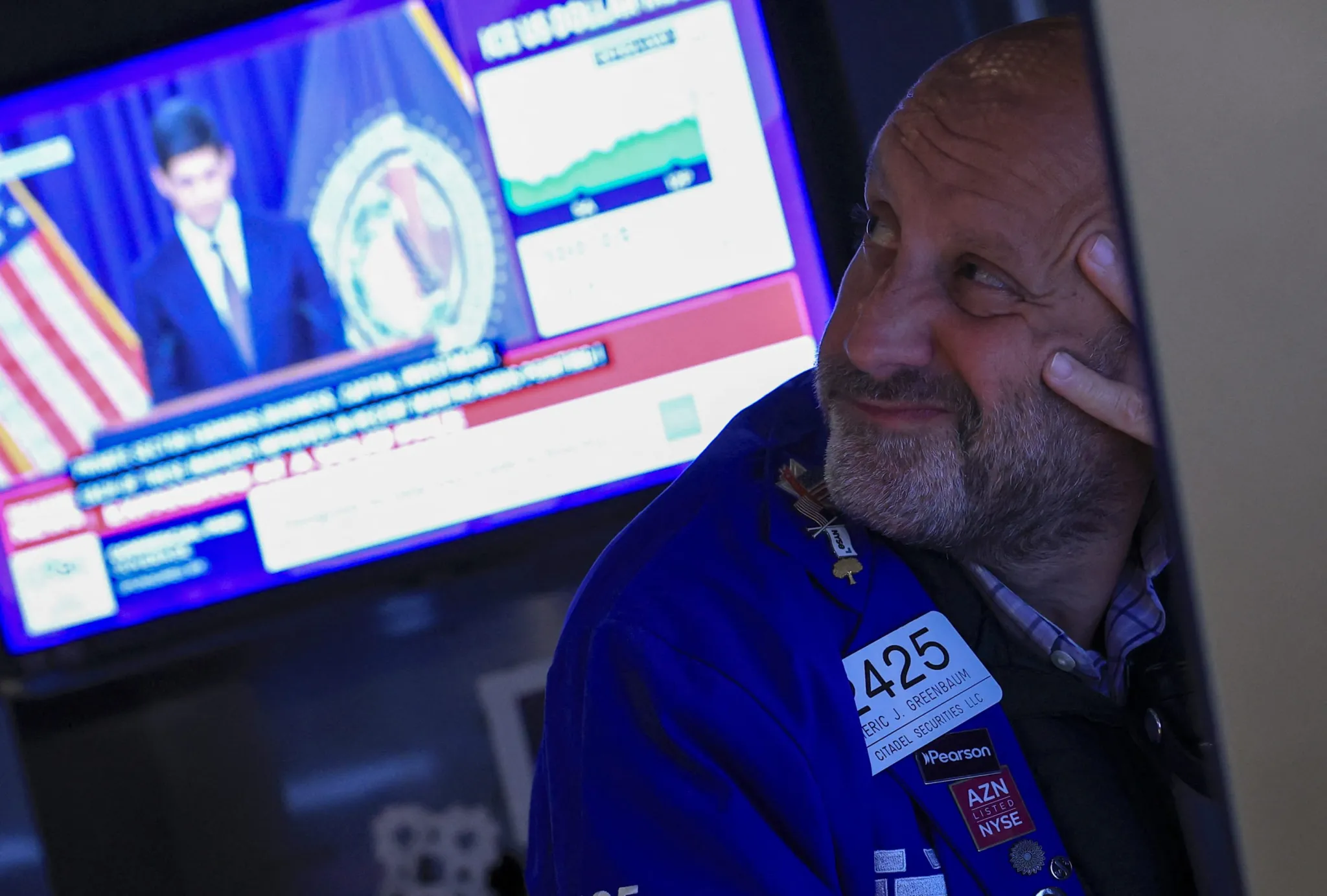
The Federal Open Market Committee voted Wednesday to raise the federal funds rate by 25 basis points, setting a target range of 3.5% to 3.75%. The increase was the first upward move in federal funds borrowing costs in three years, although financial markets had fully priced in the quarter-point hike before the announcement.
Federal Reserve Chair Kevin Warsh declined to confirm whether monetary policy had entered restrictive territory and rejected the forward-guidance practices long associated with central bank communication. “I’m not in the forward guidance business,” Warsh stated.
The reaction came after the 2 p.m. Eastern time policy statement. U.S. equity indexes had been trading higher earlier in the day, but sharp selling erupted during Warsh’s press conference, led by a drop in financial sector shares. The Dow Jones Industrial Average fell 1.7%, or more than 700 points, while the S&P 500 declined 1.0%, moving toward its lowest closing level since July. The Nasdaq Composite dropped 0.8%.

Warsh also distanced himself from the economic projections prepared by his colleagues on the Federal Reserve Board and at the regional reserve banks. The quarterly Summary of Economic Projections calls for one additional rate hike this year and then a pause through 2027, but Warsh said it represented the individual forecasts of “my 18 colleagues” rather than his own outlook. Since assuming the Fed chairship in May, he has not submitted personal interest rate projections to the committee’s published dot plot.
The dollar and bond markets moved as well. The U.S. Dollar Index advanced 0.6% to its highest level since late July, while the yield on the benchmark 10-year U.S. Treasury note remained near 5%, one day after reaching its highest level since 2007. That yield is a primary benchmark for consumer debt, fixed-rate residential mortgages, and corporate credit pricing.
Under former Fed Chair Jerome Powell, officials often described monetary policy as “modestly restrictive.” The phrase signaled to borrowing markets that interest rates were high enough to slow economic activity and curb inflation without unnecessarily damaging labor markets. Warsh questioned whether current borrowing costs were slowing the economy at all, saying in his opening remarks, “I would be hard pressed to describe broad financial conditions as restrictive.”
When reporters asked directly whether the quarter-point increase had made policy restrictive, Warsh declined to say. He added, “This view was widely shared by the committee, so we removed a dose of accommodation.” The hawkish tone represented a distinct departure from the monetary policy framework maintained under Powell.
The central bank began a rapid tightening campaign in March 2022 to counter multi-decade high inflation. It lifted the target range from near-zero to a peak of 5.25% to 5.50% by July 2023, then held rates at that peak before carrying out rate reductions. The decision to resume increases has left the future policy trajectory uncertain.
Fed funds futures pricing showed traders evenly divided over whether the FOMC will deliver another 25-basis-point increase at its upcoming October policy meeting. Jeffrey Roach, chief economist at LPL Financial, said sustained economic strength could push rate reductions far into the future. “If the economy keeps up like it has, the Fed is telling us that we may not see a cut until 2028,” Roach wrote in a post-meeting note. “Instead, another hike may be on its way.”
Chris Zaccarelli, chief investment officer at Northlight Asset Management, said central bank tightening cycles rarely end after one move. “The history is clear that once the Fed begins raising rates, they do it multiple times,” Zaccarelli said.
Michael Pearce, chief U.S. economist at Oxford Economics, offered a counter view, projecting that the FOMC would make only one additional rate increase before stopping. “We don’t think this is the beginning of another major tightening cycle,” Pearce wrote, adding that “markets have too much tightening priced in over the coming year.”




One Comment