HP Pivots From Hardware to Solutions Amid Fortune 500 Slide
CTO Rajendra Sitompoel details delayed IT investments, AI security challenges, and the metrics driving HP's European enterprise transition.
HP is engineering a fundamental identity shift in 2026, moving away from the device-centric model that defined its past two decades as it attempts to arrest a prolonged slide down the Fortune 500. The Palo Alto-based company, which ranked 11th among U.S. corporations by revenue in 2006 when it competed directly with IBM for domestic technology dominance, has fallen to 84th this year, eclipsed by software and platform giants including Apple, Amazon, Meta, and Microsoft.
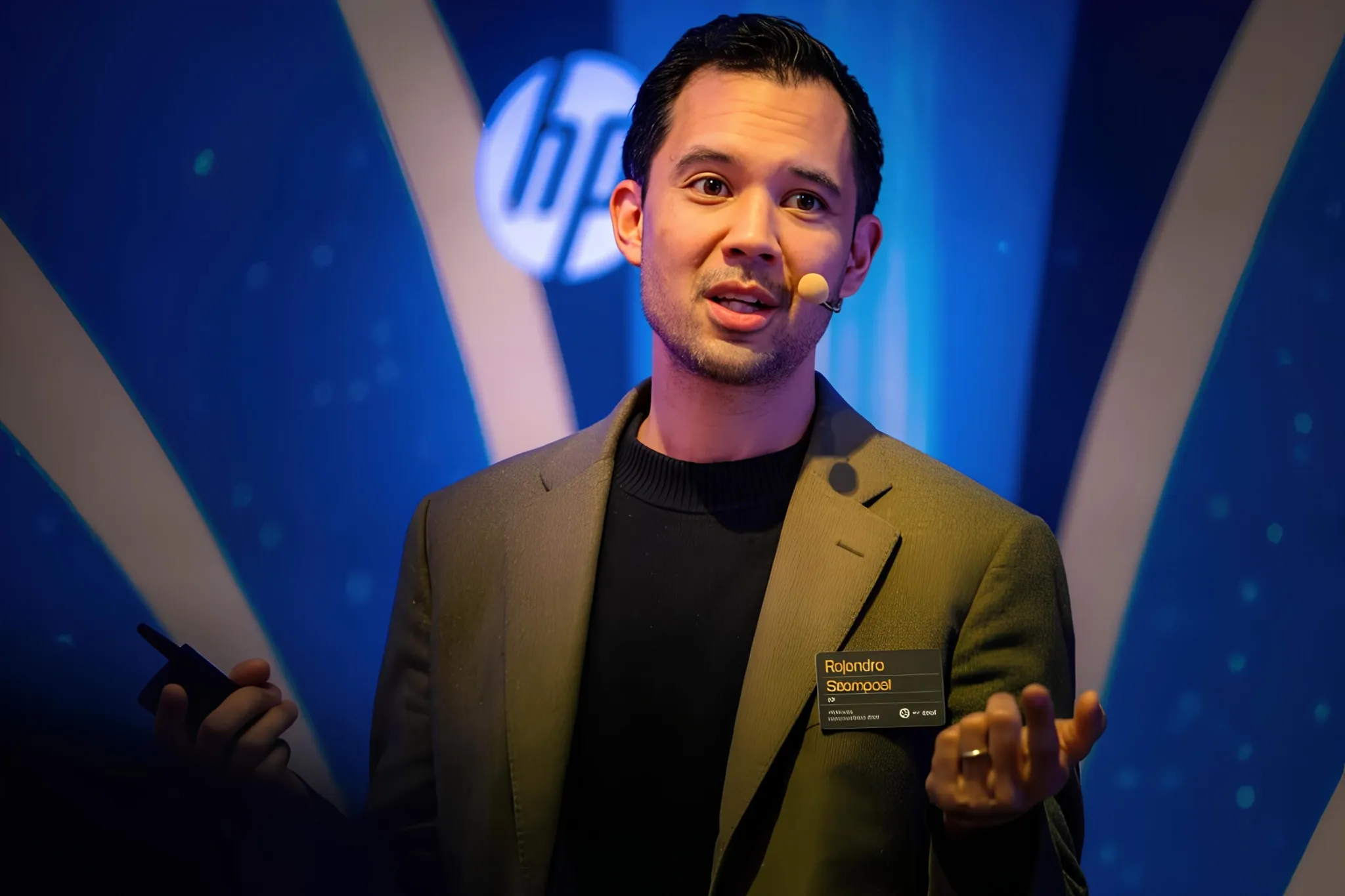
The strategic pivot centers on replacing pure hardware sales with integrated solutions and workplace experiences. Rajendra Sitompoel, HP’s chief technology officer for the Nordics and Benelux regions, is executing this transition across European enterprise markets. His expanded mandate, which absorbed Nordic operations six months ago alongside his existing Benelux responsibilities, requires direct engagement with chief information officers and CTOs navigating artificial intelligence deployment and cybersecurity frameworks.
This repositioning reflects a broader industry reality where hardware margins have compressed significantly since the mid-2000s. Following its 2015 corporate split into HP Inc., focused on personal systems and printing, and Hewlett Packard Enterprise, handling servers and infrastructure, the PC division has faced relentless pressure from cloud computing adoption and shifting enterprise procurement habits. Competitors such as Dell Technologies and Lenovo have simultaneously pushed into managed services, making standalone hardware sales an increasingly insufficient growth engine.


Rather than emphasizing processor speeds or display specifications, Sitompoel’s teams are now evaluated on how effectively their deployments alter daily workflows for enterprise buyers. The operational focus targets practical application across laptops, monitors, and peripheral ecosystems, measuring success through end-user value extraction rather than unit shipments.
Managing this transition has forced tactical compromises. Sitompoel confirmed the postponement of specific IT investments and planned team restructuring to avoid destabilizing operations during the current period of high volatility. Overlapping organizational changes risk undermining the primary objective of stabilizing client relationships around new service models.
Enterprise AI adoption remains the most pressing friction point in these discussions. Organizations purchasing HP’s solutions demand secure integration pathways for generative and analytical AI tools without exposing proprietary data or violating regional compliance mandates such as the European Union’s AI Act. Because neither vendors nor clients can guarantee absolute security against rapidly evolving threat vectors, Sitompoel prioritizes resilience planning—ensuring customers possess actionable protocols to contain damage when incidents occur beyond standard preventive controls.
To prevent engineering teams from reverting to traditional hardware development mindsets, leadership grants autonomy to stress-test security architectures within defined ethical boundaries. Sitompoel noted that intervention is rarely required, relying instead on professional judgment to keep experimentation aligned with corporate risk tolerance. This approach aims to retain specialized technical talent that might otherwise migrate to pure-play software firms driving the current AI boom.
Sitompoel tracks the ratio of external client meetings to internal sessions as his primary performance indicator. A skew toward internal coordination signals a failure in execution, serving as a real-time diagnostic tool to ensure the CTO office remains anchored to market demands rather than corporate bureaucracy.
HP reported $53.7 billion in revenue for fiscal year 2025, continuing its push into subscription-based device management and AI-enabled commercial PCs to stabilize its enterprise footprint.