

Hassett Urges Powell to Exit Fed Board to Preserve Independence
White House argues former chair’s continued board seat complicates monetary policy transition under new leadership
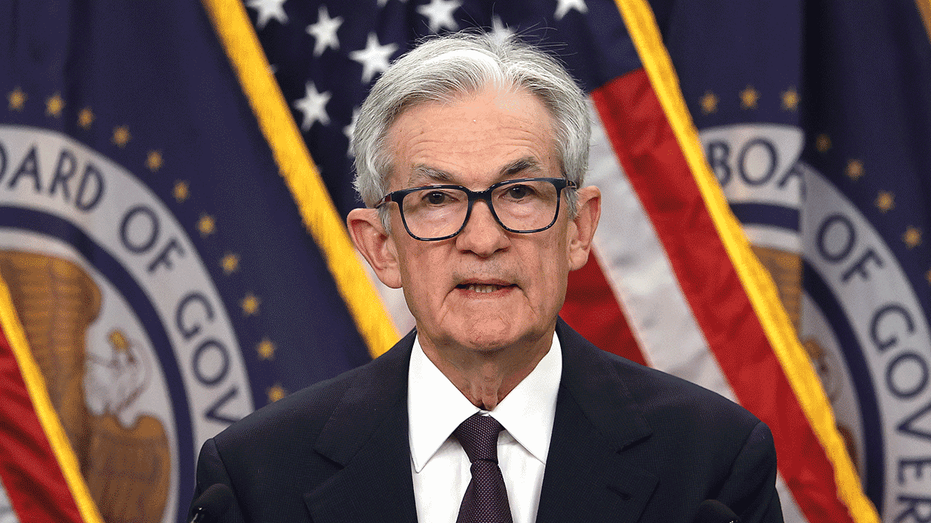
National Economic Council Director Kevin Hassett has publicly called for Jerome Powell to resign from the Federal Reserve Board of Governors, arguing that the former chair’s continued service undermines the central bank’s institutional autonomy. Hassett contended that remaining on the board after completing a term as chair is unprecedented and creates unnecessary friction at a time when monetary policy credibility is paramount.
The remarks highlight an intensifying debate over Federal Reserve governance norms following the confirmation of Kevin Warsh as the new Fed chair. While it is customary for outgoing chairs to vacate their governor seats immediately upon leaving the top post, no federal statute mandates this departure. Powell’s decision to retain his seat through the remainder of his appointed term has become a focal point in the broader struggle between the Trump administration and the central bank over interest rate policy and operational independence.
Hassett framed his criticism as a defense of the Fed rather than an attack, suggesting that stepping aside would allow the new leadership team to operate without the shadow of prior management. He drew a corporate analogy, noting that private-sector CEOs typically do not remain in adjacent offices after being replaced. This comparison underscores the administration’s view that lingering authority figures can complicate transitions and signal divided leadership to financial markets.


Tensions between President Donald Trump and Powell have escalated beyond traditional policy disagreements into personal and legal confrontations. The president has repeatedly criticized the Fed’s benchmark rate decisions, while the Justice Department previously investigated Powell regarding cost overruns on the agency’s headquarters renovation project. Attorney General Todd Blanche recently confirmed that prosecutors would not reopen a criminal inquiry into those expenditures, removing one layer of legal uncertainty but leaving the political standoff unresolved.
Powell’s presence on the board carries significant procedural weight. As a sitting governor, he retains a vote on the Federal Open Market Committee and participates in supervisory decisions, even without the chair’s agenda-setting power. His retention of the seat also prevents the president from appointing a replacement who might align more closely with current White House economic priorities. This dynamic has transformed what is typically a ceremonial transition into a strategic contest over the composition of U.S. monetary policymaking.
Historical precedent offers mixed guidance on post-chairmanship service. Most recent chairs, including Ben Bernanke and Janet Yellen, departed the board entirely when their leadership terms ended. However, earlier eras saw governors serve extended tenures across multiple administrations, reflecting a different understanding of the Fed’s insulation from electoral cycles. The current dispute reflects evolving expectations about how quickly institutional turnover should occur during periods of acute executive-central bank tension.
Financial markets have largely treated the governance clash as background noise compared to inflation data and employment reports, yet prolonged uncertainty over Fed leadership structure could eventually affect investor confidence in policy continuity. Institutional investors generally prefer predictable succession patterns that reinforce the perception of technocratic stability over political influence.
Powell has not commented publicly on Hassett’s remarks or indicated any change in his plans regarding his board tenure. His current term as a governor does not expire until January 31, 2028.









