

Houthi Strikes on Saudi Aramco Test U.S. Restraint Before Midterms
Tehran and Washington are both maneuvering around the Nov. 3 midterms while crude oil remains above $100 per barrel.
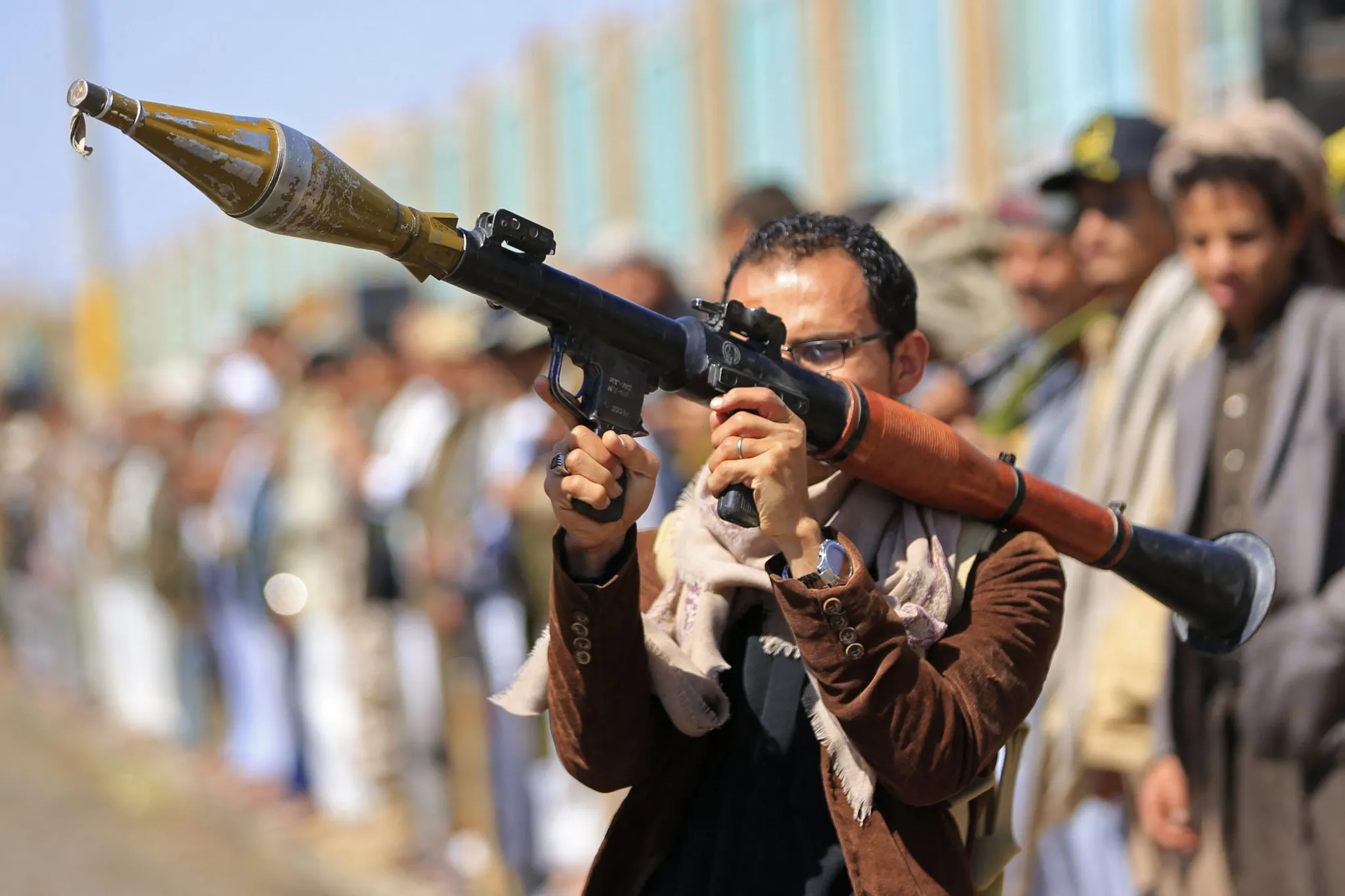
A missile strike damaged part of the Saudi Aramco headquarters complex on Wednesday, marking the latest escalation in a widening conflict that has drawn Yemen’s Houthi movement and Iran into direct confrontation with Gulf energy infrastructure. The attack followed weekend bombardments of Riyadh’s main airport that killed at least 20 people, including one American citizen, and injured hundreds.
The Houthis, backed by Tehran, have pledged to sustain strikes against both aviation hubs and oil facilities across Saudi Arabia. Fernando Ferreira, director of the geopolitical risk service at Rapidan Energy Group, described the precision and success rate of recent Houthi operations against critical Saudi targets as unprecedented.
Washington’s response has been confined largely to rhetoric. President Donald Trump accused the attackers of “behaving very badly” and promised rapid action, but no significant military retaliation has materialized. On Tuesday, Trump posted on social media: “I’ll be there after the Elections, and I will never forget!”


That timeline points directly to Nov. 3, when Americans vote in midterm elections. Both Washington and Tehran appear to be calibrating their actions around that date. The Trump administration faces intense pressure to prevent further spikes in gasoline and diesel costs, which are already near seasonal records with crude oil trading well above $100 per barrel. Iran, conversely, is positioned to inflict maximum political damage before voters head to the polls.
Dan Pickering, founder of oil forecasting firm Pickering Energy Partners, framed the current standoff as either the “calm before the storm” or a deliberate U.S. decision to ignore an intensifying war. “We’re staring at the midterms and there is no response,” Pickering said. “It’s an unpopular conflict. If you’re ramping the war back up, that’s scary. If you just choose words, that looks weak.”
Direct engagement against the Houthis would require substantial military expenditure and political capital. The group has spent years fortifying its arsenal underground, developing advanced drone warfare capabilities that outpace traditional air defenses. Even with superior overall firepower, Saudi Arabia cannot intercept every incoming projectile, and each defensive measure has historically triggered a corresponding Houthi escalation.
The maritime dimension of the conflict is tightening simultaneously. After tanker traffic through the Strait of Hormuz surged last month to its highest levels since February, shipping volumes began slowing again this week. The International Energy Agency reported Wednesday that September oil exports from the Middle East reached approximately 75% of pre-war volumes, driven partly by expanded U.S. naval escorts.
Those escorts have not deterred Iranian aggression. Over the past two weeks, more than 20 attacks on commercial shipping have occurred in the strait. The United States had previously articulated a “tanker-for-a-tanker” doctrine, promising to destroy an Iranian vessel for every commercial ship struck, often exceeding the scale of the initial attack. That policy currently appears suspended.
“Iran will not accept the status quo as we have now where we’re moving millions of barrels a day through Hormuz,” Ferreira said. “They will not just simply stand by and allow that to happen. We’re seeing that playing out now, and they’re forcing a confrontation.”
Trump recently attempted to ease domestic fuel pressures by brokering an agreement allowing limited Russian diesel exports in exchange for reduced sanctions. Energy experts assessed the deal as insufficient to meaningfully alter pricing trajectories.
With the broader regional war now entering its eighth month, U.S. oil producers are shifting their planning horizons. Companies that previously resisted reacting to temporary price spikes are beginning to prepare for sustained elevated crude markets extending deep into 2027 or 2028. According to Pickering, this longer-term certainty could trigger increased drilling activity and push domestic production volumes to new record highs next year.
“The producers haven’t had a price signal to react to, but they’re starting to get one,” Pickering said.
Whether the United States will maintain its restraint until after the midterms or be forced into earlier action depends on the pace of provocations in the coming weeks. As of Wednesday, the Houthis have reaffirmed their intent to continue targeting Saudi energy and transportation infrastructure without pause.









