Airbnb CEO Brian Chesky Abandons Email for Texting Staff
The shift to instant messaging accelerates executive decisions but risks alienating younger employees who demand strict personal boundaries.
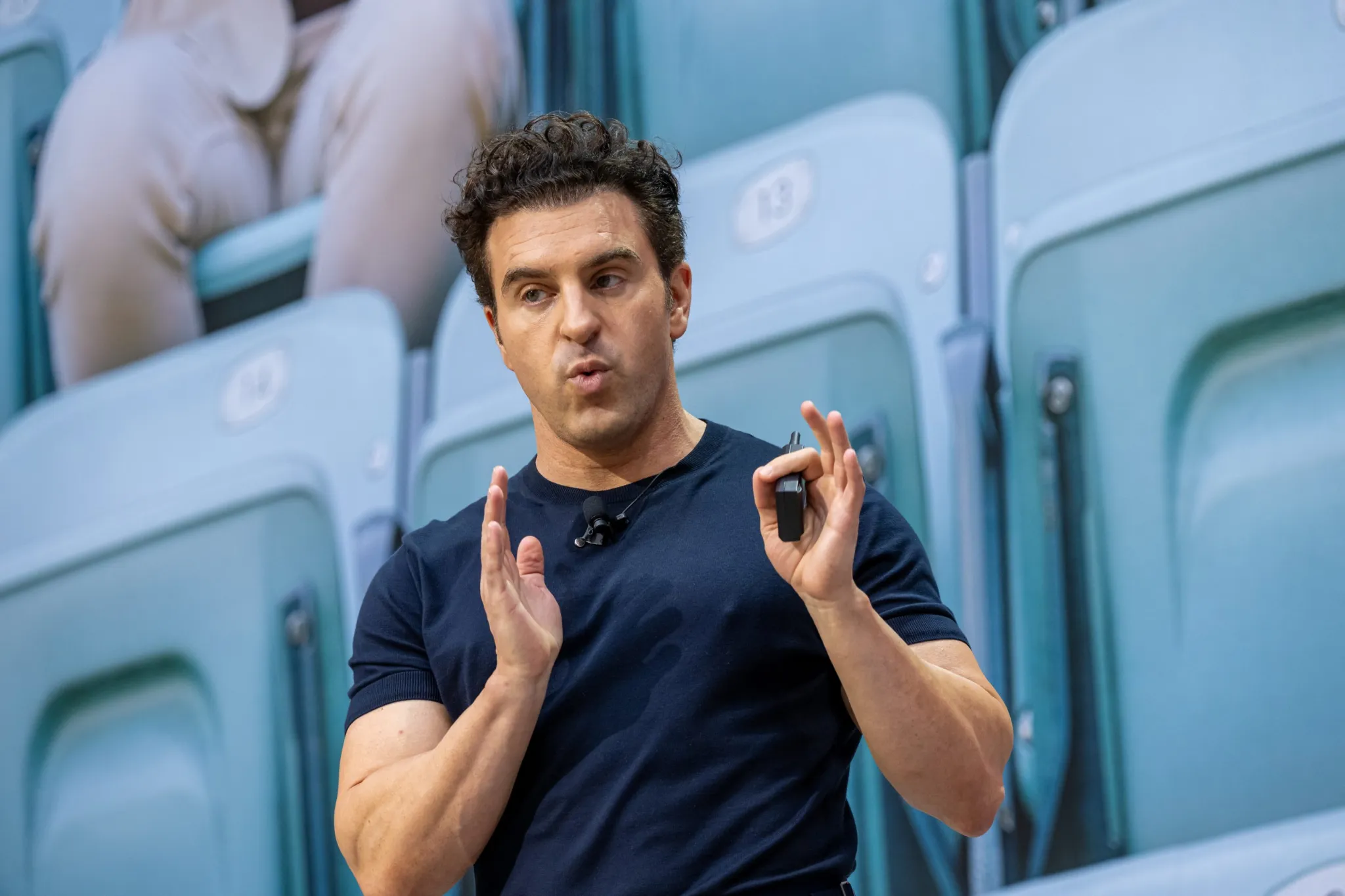
Brian Chesky has largely abandoned drafting emails, opting instead to text the 8,200 employees at Airbnb. The chief executive told Time he cannot recall the last time he composed an email, estimating he sends fewer than one a week, though he still replies to incoming messages daily.
His reasoning centers on response speed and psychological friction. Chesky argues that text messaging operates on a person-based model rather than a subject-based one, removing the formal structure of a subject line that makes replying feel like a task. Push notifications on mobile devices drive faster engagement than inbox sorting.
The shift reflects a broader movement among technology executives away from traditional corporate communication tools toward direct-messaging platforms. Companies increasingly rely on enterprise applications such as Slack or Microsoft Teams for internal coordination, but personal SMS and encrypted messaging apps bypass those organizational layers entirely, delivering messages straight to a worker’s personal device.


Chesky ranks communication channels by effectiveness: in-person meetings first, followed by video calls via Zoom, then text messages, with email ranking last.
This preference for immediate, informal contact aligns with a wider pattern among founders and chief executives who reject conventional work-hour boundaries. Uber CEO Dara Khosrowshahi previously stated on the Diary of a CEO podcast that he expects weekend email responses, following up on Sundays if a Saturday message goes unanswered. Nespresso U.K. and Ireland head Anna Lundstrom keeps her phone accessible around the clock across WhatsApp, LinkedIn, Teams, and email. Farmer J founder Julian Metcalfe has never activated an out-of-office auto-reply, maintaining constant availability even during his honeymoon.
Chesky acknowledged his own schedule blends professional and personal time more than most workers, stating he avoids texting staff during family hours unless facing a crisis. He defended the practice broadly, asserting that executives have the right to dictate their company’s operational style.
That philosophy collides directly with the expectations of younger demographics entering the workforce. Unlike older generations accustomed to hierarchical, always-on corporate cultures, millennials and Gen Z workers frequently treat after-hours contact as a violation of employment terms rather than a demonstration of dedication.
Data from recruitment platform Reed indicates that 25% of millennial workers would resign if their manager contacted them outside of scheduled hours. Among 18-to-34-year-olds, 59% report willingness to change jobs specifically to protect their personal time.
The tension highlights a structural risk for companies led by executives who favor instant messaging. While texting accelerates decision-making for leadership, it simultaneously shifts the burden of boundary-setting onto individual employees who receive notifications on the same devices they use for personal life. Several European jurisdictions, including France and Portugal, have already enacted legal “right to disconnect” frameworks that penalize employers for routine after-hours contact, a regulatory trend currently absent in U.S. federal labor law but increasingly adopted voluntarily by American corporations seeking to reduce turnover.
Chesky continues to run Airbnb under a highly centralized management approach. Earlier this year, he eliminated the role of marketing vice president, choosing to oversee the company’s brand strategy directly while maintaining his preference for rapid, unstructured communication over traditional corporate workflows.