

Workday Founder Aneel Bhusri Returns as CEO, Channeling Steve Jobs Playbook for AI Era
Bhusri cuts AI agents from 50 to 20, channels Jobs' startup discipline to navigate enterprise AI disruption
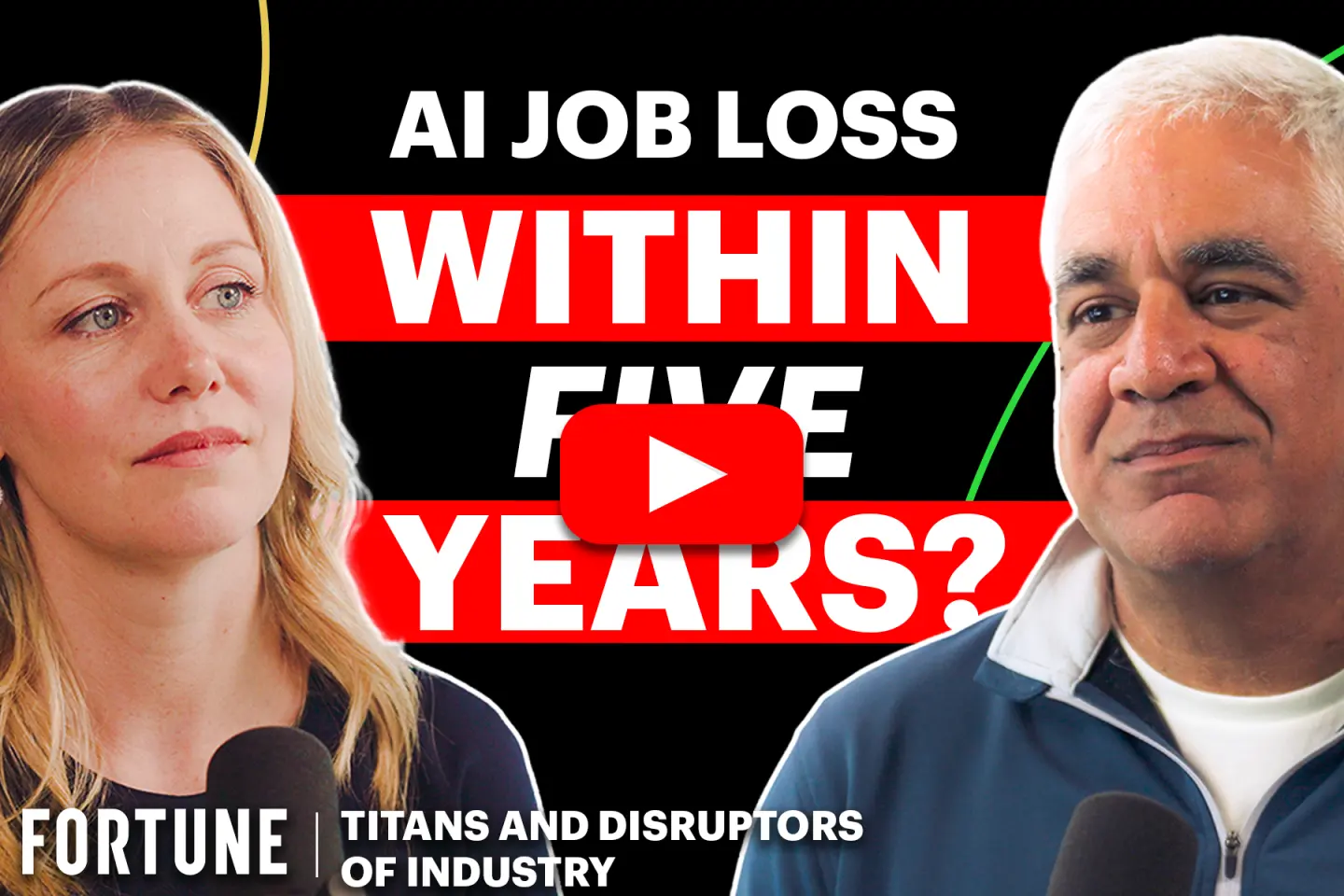
Workday co-founder Aneel Bhusri has reclaimed the chief executive role just months after stepping down, launching what he calls a “refounding” of the $9.6 billion enterprise software company to confront the upheaval of artificial intelligence. The move, announced in February, signals a growing trend of founders returning to steer their companies through technological paradigm shifts — a playbook Bhusri explicitly modeled on Steve Jobs’ 1997 return to Apple.
Bhusri, 58, originally co-founded Workday in 2005 with Dave Duffield after their previous company, PeopleSoft, was acquired by Oracle. He served as sole CEO until 2023, when former VMware chief Carl Eschenbach was brought on as co-CEO. Eschenbach took the sole CEO title in early 2024, with Bhusri moving to executive chair. That arrangement lasted less than a year.
“All bets are off” in the age of AI, Bhusri told Fortune editor-in-chief Alyson Shontell in a recent interview. “The top skill CEOs need today is the ability to innovate. Few leaders can do that better than founders.”

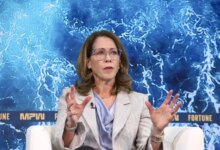
The Jobs comparison is deliberate. Before his return, Bhusri immersed his leadership team in clips of Jobs discussing his second act at Apple — particularly Jobs’ ambition to make Apple “the biggest startup in the world” by restoring a culture of ownership, accountability, speed, and focus. Jobs famously slashed Apple’s sprawling product line to a handful of core offerings. Bhusri’s first major act mirrored that discipline: he cut Workday’s AI agent portfolio from 50 to 20, eliminating projects deemed non-core to the company’s future.
“Jobs wasn’t just a product genius. He was a management genius, too, in the way he organized Apple for success,” Bhusri said. “I’m trying to bring that same mentality of recreating a startup mindset with clear accountability.”
The stakes are high. Workday, ranked No. 430 on the Fortune 500, dominates cloud-based human resources and financial management software for large enterprises. But the category is under siege. Salesforce, ServiceNow, Oracle, and SAP are all embedding generative AI agents into their platforms, promising to automate tasks across HR, finance, legal, and IT. Startups are attacking niche workflows with specialized agents. Bhusri has been blunt about the labor-market implications: he expects AI to perform human-level work in HR, finance, and legal departments within five years.
“I didn’t come back to run Workday better,” Bhusri said. “I came back to make sure that we are super innovative with the AI products, and that we do it responsibly. It’s an incredibly powerful technology, and we have to do it the right way.”
The “responsible” framing is notable. Workday has positioned itself as a leader in AI governance, publishing ethical AI principles and advocating for regulation. That stance differentiates it from competitors racing to deploy agents with fewer guardrails. But it also slows product velocity — a tension Bhusri must now resolve.
Few founder returns match Jobs’ outcome. Michael Dell’s 2007 return to Dell Technologies stabilized but didn’t redefine the company. Jack Dorsey’s second stint at Twitter (now X) ended in a sale to Elon Musk. Howard Schultz’s multiple returns to Starbucks produced mixed results. Bhusri’s advantage: he never truly left, retaining board control and deep institutional trust. Duffield, his 84-year-old co-founder and largest individual shareholder, pushed for the comeback.
Workday’s stock has been volatile since the transition, trading around $250 — down from 2021 highs above $300 but above pandemic lows. The company reports fiscal first-quarter earnings in late May, the first full quarter under Bhusri’s restored leadership. Investors will watch for evidence that the agent rationalization translates to faster innovation cycles and clearer go-to-market motion.
For now, Bhusri’s daily routine reflects the startup intensity he wants to revive. He’s back to reviewing product specs, meeting with engineering leads, and personally recruiting AI talent. The executive chair title is gone. The CEO title is back. And the clock is ticking on whether a second act can work in enterprise software the way it did for consumer hardware.









