Ex-OpenAI Worker’s Spy Device Case Heads to Court Oct. 19
Defense attorney disputes flight risk claims as federal prosecutors pursue wiretapping charges instead of trade secret theft.

A former OpenAI engineer accused of hiding a recording device inside the company’s San Francisco headquarters used the artificial intelligence firm’s own products to plan the operation for more than a month, federal investigators allege.
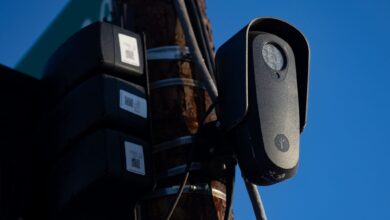
Abdulrahman Alfozan, 34, faces a single count of violating a general federal recording statute rather than espionage or trade secret theft charges. Neither the FBI nor OpenAI has identified evidence that any proprietary information was captured or transmitted before security personnel discovered the hardware during a routine sweep on Sept. 30.
The distinction in charging carries significant legal weight. Federal prosecutors frequently pursue economic espionage under the Economic Espionage Act when foreign nationals are suspected of stealing corporate secrets. By opting for a wiretapping-related statute, authorities signaled the investigation has not yet established a link between the device and any attempt to exfiltrate data. General federal recording statutes typically carry lighter maximum penalties than trade secret theft, which can result in decades behind bars.


Alfozan allegedly spent weeks using ChatGPT and an internal agentic AI tool to prepare for placing the device on Sept. 28. The use of generative AI platforms to orchestrate physical security breaches represents a novel vector that corporate threat intelligence teams are increasingly monitoring. Agentic AI tools, which can autonomously execute multi-step tasks and interact with software environments, have become standard infrastructure at leading technology firms over the past two years, raising new questions about how companies restrict internal access to prevent misuse.
Defense attorney William Pernik stated he intends to challenge the case formally at the next court appearance, scheduled for Oct. 19. Pernik characterized the allegations as “wholly out of character” and cautioned against conflating the accusations with Alfozan’s Saudi nationality, which the FBI emphasized in its initial press release announcing the arrest.
The timing of Alfozan’s planned departure from the United States remains a central point of contention. A federal complaint describes a one-way flight to Saudi Arabia booked for Oct. 12 — involving Alfozan, his wife, and their young child — as potential evidence of an intent to flee. Pernik countered that the trip was prepaid and that his client was “surprised by the search and arrest,” though he did not specify when the reservation was made or provide the stated purpose of the travel.
Alfozan’s trajectory through the American technology sector spans more than a decade. He arrived in 2011 to study computer science at the Massachusetts Institute of Technology, later completing internships at SAP and Microsoft. He spent five years at Meta before founding a Silicon Valley startup. In 2025, he simultaneously took on dual roles: joining OpenAI in July and becoming a partner at RAED Ventures, a venture capital firm based in Saudi Arabia.
Holding concurrent positions at a frontier AI laboratory and a foreign investment fund is not unusual in the global technology industry, but it routinely triggers scrutiny under corporate conflict-of-interest policies. Major AI developers maintain strict disclosure requirements for outside affiliations, particularly those involving foreign capital, given the intense geopolitical competition surrounding artificial intelligence capabilities.
OpenAI terminated Alfozan on Oct. 9, the same day federal agents arrested him. The company noted its security program targets threats ranging from insider risks to nation-state actors.
Federal investigators continue to analyze the recovered recording device to determine its technical specifications, storage capacity, and whether it was configured to transmit audio remotely or store it locally for physical retrieval.