Veterinarians Say Pet Owners Should Ask About These 5 Alternatives to Standard Care
Shared decision-making is reshaping veterinary visits — here's what clinicians wish more clients knew to ask for
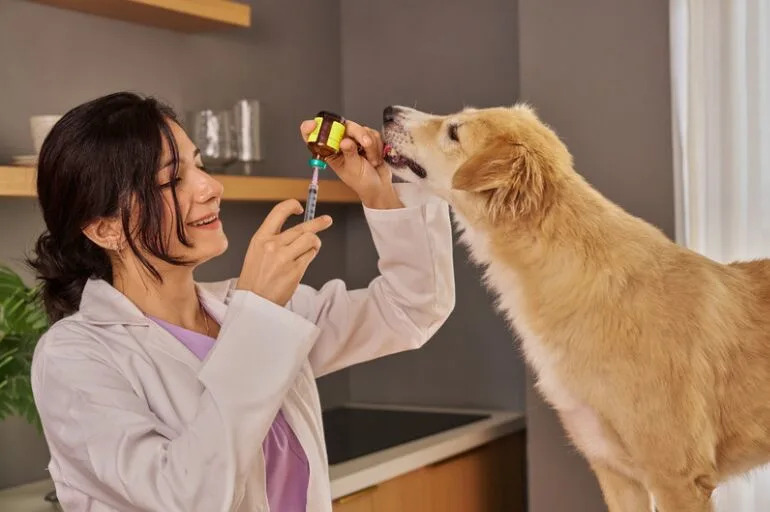
Veterinary medicine is shifting toward shared decision-making, with clinicians increasingly expecting clients to ask about options rather than defaulting to standard protocols. That change reflects broader trends in human healthcare, where patient preference and quality-of-life considerations now shape treatment plans as much as clinical efficacy.
For pet owners, the practical impact is straightforward: a single conversation during an exam can replace weeks of struggling with unpalatable medications, rigid recovery cones, or stressful clinic visits. But knowing what to ask — and understanding why alternatives exist — requires context that most veterinary websites and brochures don’t provide.
Compounding pharmacies have quietly transformed medication delivery over the past decade. When a commercial drug only comes as a bitter liquid, a compounding pharmacist can reformulate it into a flavored chew, a transdermal gel applied to the ear flap, or a capsule sized for a specific breed. The service is legal in every state, though insurance rarely covers it, and prices vary widely. Owners of brachycephalic breeds like French Bulldogs or Persian cats — whose anatomy makes swallowing pills risky — often benefit most.


Recovery collars illustrate how low-tech innovation can outperform standard issue. The rigid plastic Elizabethan collar, patented in 1962, remains the default at many clinics because it’s cheap, sterile, and familiar. But studies published in the Journal of the American Veterinary Medical Association have documented increased stress behaviors — pacing, refusal to eat, sleep disruption — in dogs wearing hard cones versus inflatable or soft-fabric alternatives. The catch: soft collars don’t work for every surgical site. A dog recovering from knee surgery can usually wear an inflatable donut; one with a facial wound cannot. The decision hinges on anatomy, not owner preference.
Parasite prevention has seen the clearest consumer-driven shift. Oral isoxazoline-class chewables — fluralaner, afoxolaner, sarolaner, lotilaner — now dominate U.S. sales, surpassing topical spot-ons in 2021 according to market data from Animal Health Institute. The switch wasn’t purely about convenience. Topicals require parting the fur, applying to skin, and waiting 24 to 48 hours before bathing or swimming. For households with multiple pets or young children, the transfer risk during that window is a genuine concern. Oral products eliminate it. They also bypass the growing problem of topical resistance in flea populations documented in the Southeast.
Pre-visit pharmaceuticals — the veterinary term for calming medications given at home before appointments — have moved from niche to standard of care for anxious patients. The Fear Free certification program, launched in 2016, has trained more than 35,000 veterinary professionals in low-stress handling, and pharmaceutical intervention is a core pillar. Common protocols combine gabapentin for cats or trazodone for dogs with a fast-acting anxiolytic like alprazolam. Dosing is weight-based and timed for peak effect at check-in. The goal isn’t sedation; it’s preventing the cortisol spike that makes subsequent visits progressively harder.
Procedural bundling — adding a nail trim, anal gland expression, or microchip implantation during an already-scheduled sedation — saves money and stress. Most clinics charge a nominal add-on fee versus a separate visit. But the practice depends on the primary procedure’s anesthetic plan. A dental cleaning under general anesthesia allows time for extras; a brief sedated ultrasound may not. Owners should ask when booking, not at check-in.
The American Veterinary Medical Association’s 2024 workforce study found that 68% of companion-animal practices now offer at least one Fear Free–certified provider, up from 41% in 2021. That growth means more clinics have standardized protocols for the alternatives above — and more veterinarians expect clients to request them.