Data Shows Tesla Quietly Pivoting to Driverless Robotaxis in Texas
Independent tracking shows all monitored Tesla rides operating without human safety drivers in Austin ahead of Cybercab rollout
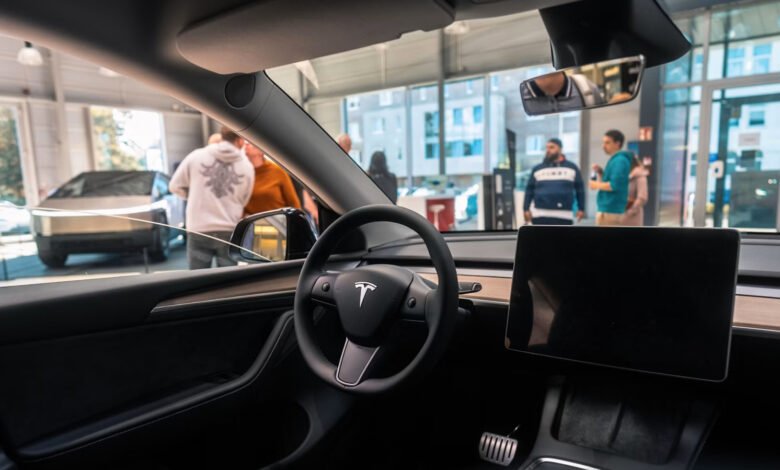
Independent tracking indicates Tesla has transitioned its entire Austin Robotaxi operation to fully driverless rides, marking a significant operational shift following months of delays. The report from The Verge indicates all active vehicles in the city are currently running without human monitors inside, fulfilling a capability CEO Elon Musk previously pledged would be deployed across the fleet prior to the end of 2025.
Rather than official statements from Musk or Tesla executives, the operational change was uncovered by independent observers via Robotaxi Tracker, a crowdsourced web application. Ethan McKanna, the platform’s creator, informed The Verge that 54 distinct vehicles logged 170 unsupervised Tesla Robotaxi trips in Austin over the last two weeks, a pattern additionally backed by user reports across social media.
Beyond Austin, McKanna documented a parallel rise in unsupervised trips throughout Dallas and Houston. This sudden expansion marks a sharp reversal from earlier in the summer, when data showed the driverless footprint contracting to only 28 unsupervised vehicles spread across six distinct markets as recently as last week.
Texas has become a key battleground for autonomous vehicle testing largely because state legislation passed in 2017 prohibits municipal governments from banning driverless cars, providing automakers with a streamlined regulatory environment compared to states like California, which require extensive safety permitting and detailed incident reporting.
Scrutiny remains high surrounding the automaker’s driverless claims, as previous disclosures this year revealed that several rides marketed as unsupervised were in fact being monitored and assisted in real time by remote human drivers.
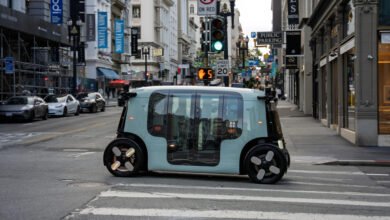
The driverless expansion comes as Tesla prepares for the debut of its Cybercab, with internal communications instructing staff to target a release later this month beginning in Austin. To promote the launch—which lacks a firm public date—the company launched a contest offering select Robotaxi passengers invitations to the unveiling event for the custom-designed vehicle, which lacks pedals or a steering wheel and relies entirely on automated operation.
While removing safety drivers represents a key internal landmark for Tesla, the scale of its autonomous deployment still trails established commercial rivals. Competitor Waymo currently runs more than 300 driverless vehicles in Austin alone, alongside a broader commercial fleet of approximately 4,000 autonomous cars operating across multiple metropolitan markets nationwide.