The Myth of Permanent Protection: Why Apple is Warning Watch Users Against Common Habits
Understanding the limits of premium wearable durability and warranty coverage.
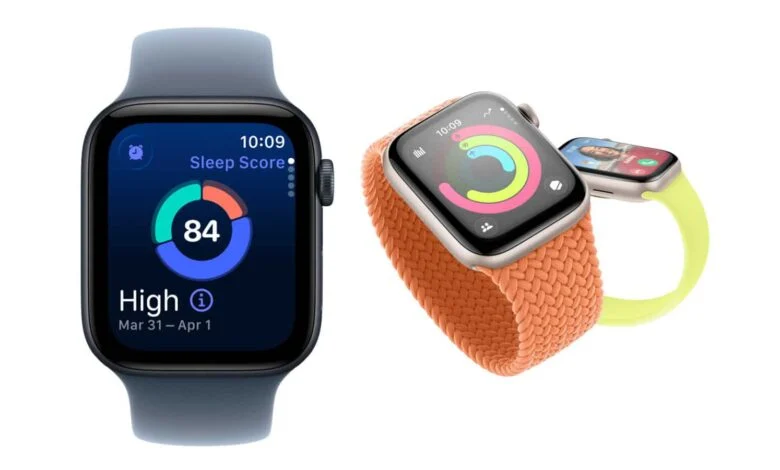
The longevity of premium wearables often hinges on a misunderstanding of hardware specifications, particularly regarding environmental seals and thermal limits. While the Apple Watch is marketed with robust durability, Apple has issued updated guidance highlighting five specific behaviors that can compromise the device’s integrity or void its warranty. Central to these warnings is the reality that water resistance is a temporary state, not a permanent feature of the hardware.
According to Apple, the precision seals that provide water resistance—rated for 50 meters on the Series 6 and SE 2, and up to 100 meters on the Ultra—degrade naturally over time. This degradation is accelerated by physical impacts. If a device has sustained a drop or a significant hit, the company warns that its water-resistant barriers cannot be resealed or restored. In such instances, the manufacturer advises shifting usage to dry activities like cycling or basketball to avoid internal liquid damage.
Environmental factors beyond depth also play a critical role in hardware failure. The standard Apple Watch is designed to operate in temperatures up to approximately 35 degrees Celsius. However, dry saunas can reach 82 degrees Celsius, while steam rooms often exceed 48 degrees Celsius. These extremes far surpass the safe operating envelope of the ISO 22810:2010 standards for water-resistant watches, leading to potential battery swelling, permanent screen dimming, or total system shutdown.
Chemical exposure represents a more insidious threat to the device’s longevity. Apple explicitly discourages the use of soaps, detergents, or abrasive cleaners during maintenance. These substances, along with perfumes, solvents, and sunscreens, can chemically erode the acoustic membranes and gaskets that protect the internal circuitry. The official recommendation for cleaning remains limited to a non-abrasive, lint-free cloth and fresh water, particularly after exposure to sweat.
Physical protection strategies used by consumers may also be counterproductive. The company has never released an official hard case for the Apple Watch, noting that third-party rigid covers can exert excessive pressure on the Digital Crown and side buttons. Damage resulting from such external pressure is frequently excluded from standard warranty coverage.
Beyond physical hardware, the security of the device remains tied to its software ecosystem. Apple recently addressed security vulnerabilities related to artificial intelligence-driven exploits, emphasizing that watchOS updates are as critical for data protection as those for the iPhone. Neglecting these updates can lead to synchronization failures and leave biometric data vulnerable to modern cyber threats. The company maintains that keeping the software current is a fundamental requirement for both functional stability and digital security.