Billionaire Stock Donations to Kids Trigger a $10B Tax Windfall
A September Treasury rule change allows donors to bypass capital gains taxes by locking volatile corporate shares in minors' accounts for five years.
A Sept. 30 U.S. Treasury rule change has quietly transformed how American billionaires approach philanthropy, unlocking a capital gains tax loophole that is now funneling volatile corporate stock directly into children’s investment accounts.
The new regulation permits individuals to donate shares to so-called Trump Accounts provided the recipients hold the assets for at least five years. For founders and executives sitting on massive unrealized gains, the math is decisive. Donors can deduct the full market value of their shares while entirely avoiding capital gains taxes on the asset’s appreciation. Recipients will eventually owe income tax when they sell the stock, but the immediate tax liability shifts away from the donor.
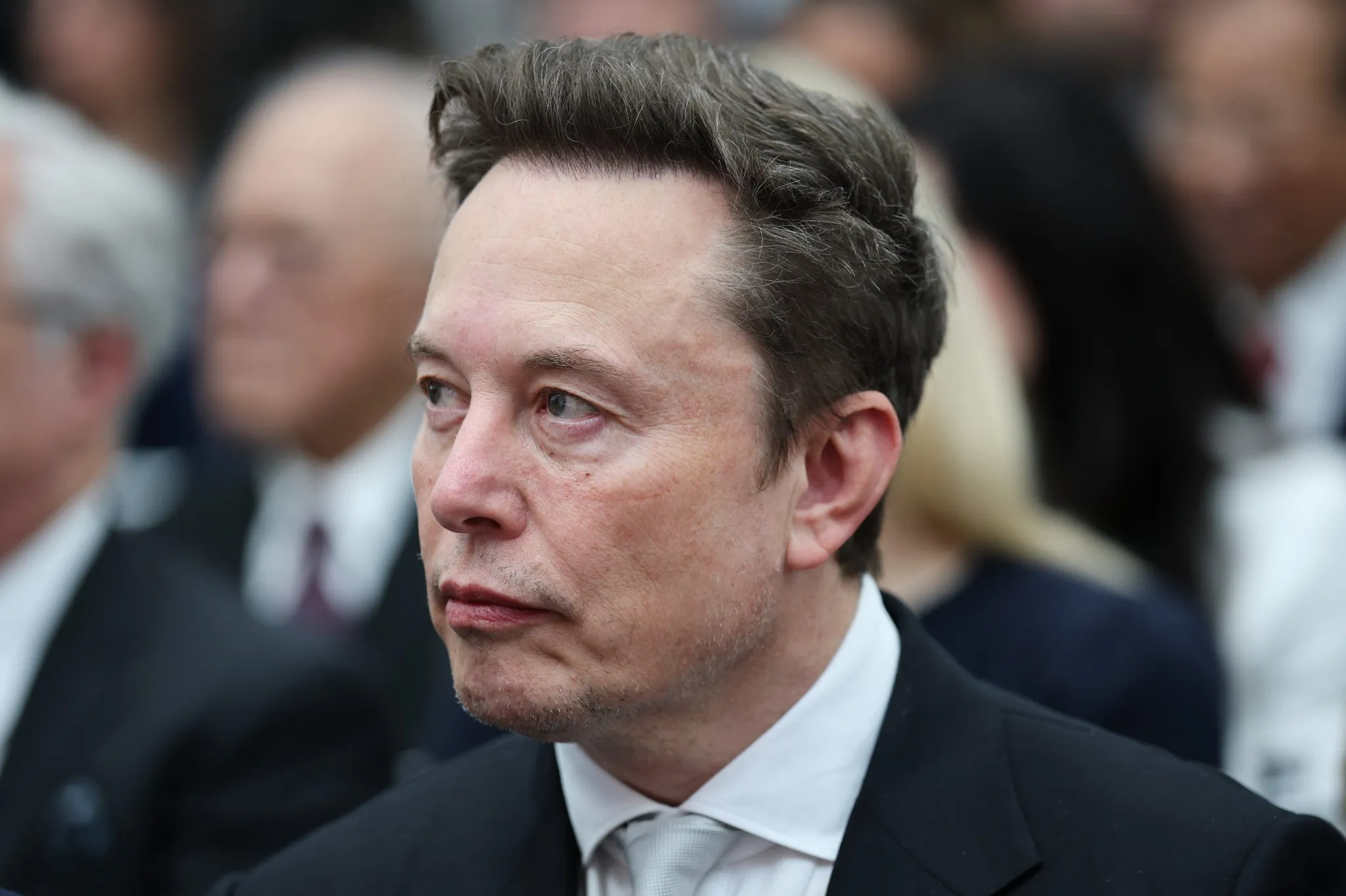
Elon Musk announced on X yesterday that he plans to give every child under 18 in the U.S. a share of SpaceX next year. At $147.96 per share, the total distribution amounts to roughly $10.7 billion worth of stock. Days earlier, SpaceX President Gwynne Shotwell pledged to distribute more than 2 million shares of her own stock through the same program. Shotwell wrote on X that her shares would be dispersed with “a bit more emphasis for those that live near our central Texas home,” an area where SpaceX has faced lawsuits and protests from local residents.

This targeted geographic distribution highlights a structural flaw absent from traditional cash philanthropy. Last year, Susan and Michael Dell donated $6.25 billion in cash to similar accounts. Cash carries no conflict-of-interest baggage. Stock does. Federal ethics rules frequently bar government workers and their families from holding shares in companies they regulate or contract with, yet there is currently no mechanism to prevent specific equities from landing in a minor’s locked account. A five-year mandatory holding period forces millions of underage shareholders to ride out corporate volatility without the ability to exit if the company’s fundamentals deteriorate.
The tax incentive extends beyond aerospace. Anthropic co-founder and President Daniela Amodei announced the artificial intelligence company will commit 5% of its as-yet-unissued shares to the Anthropic Public Benefit Fund. The entity is structured as a wholly owned LLC dedicated to the public benefit rather than a 501(c)(3) charity. That distinction means Anthropic CEO Dario Amodei or other executives retain control over how the capital is deployed. The pledge arrives ahead of the company’s anticipated $2 trillion IPO.
Forced public ownership of private enterprise rarely happens outside of systemic emergencies. During the 2008 financial crisis, the U.S. government took direct equity stakes in AIG, GM, and Citibank to prevent economic collapse. The current wave of distributions operates under a different premise: utilizing retail investors, including minors, as tax-efficient vehicles for executive wealth transfer.
Alternative models exist. Industry observers have proposed regulating frontier AI labs like public utilities, establishing independent trusts subject to audits and distributing dividends based on shared infrastructure usage such as energy and intellectual property. No major technology executive has publicly endorsed surrendering asset control to a government-managed fund.
Contact CEO Daily via Diane Brady at diane.brady@fortune.com
Top leadership news
Nvidia depends on AI spending for nearly 92% of its projected revenue
Morgan Stanley estimates that 91.7% of Nvidia’s 2027 revenue will depend on demand for AI infrastructure. The bank still calls Nvidia the sector’s best risk-reward opportunity but warns that financing pressures, power shortages, and concentrated customers could threaten the buildout.
Former OpenAI engineer accused of bugging meetings stays in jail
A federal judge ruled Monday that Abdulrahman Alfozan must stay in jail because he could be a flight risk, despite the Saudi government’s offer to guarantee a $1 million bond. He hasn’t been charged with espionage, and his lawyer denies prosecutors’ claims that he planned to flee.
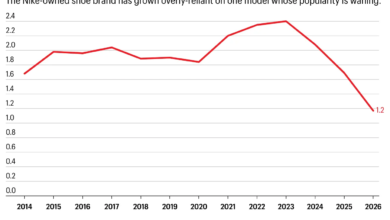
Converse’s sales slump adds to Nike’s turnaround problems
Converse sales fell 28% last quarter, accounting for 20% of Nike’s sales decline despite making up just 2.5% of its revenue. Analysts blame the brand’s reliance on Chuck Taylors and question whether Nike might sell it, though Nike says Converse remains an important part of its portfolio.
The markets
S&P 500 futures are down 0.17% this morning. The last session closed up 0.41%. The STOXX Europe 600 was down 0.65% in early trading. The U.K.’s FTSE 100 was down 0.62% in early trading. Japan’s Nikkei 225 was down 1.30%. South Korea’s KOSPI was down 3.73%. China’s CSI 300 was down 0.54%. Hong Kong’s Hang Seng was down 1.32%. India’s NIFTY markets are closed today. Bitcoin is down at $81k.
Around the watercooler
Prediction markets are now ‘bespoke insurance’ for businesses, and a Los Angeles restaurant group’s $60,000 hedge on Kalshi is the latest example by Sasha Rogelberg
Ukraine’s drones lose their Starlink link above 100 mph. Musk, Rubio, and Trump all say it wasn’t them by Steven John
‘An army of Claudes, with every one asking for my attention’: Anthropic calls human attention the bottleneck in the botsitting world to come by Marco Quiroz-Gutierrez
Strategy buys another $22 million of Bitcoin, increases planned share buybacks by Camila Grigera Naón
CEO Daily is curated and edited by Joseph Abrams, Jason Ma, Claire Zillman, and Lee Clifford.