Kayem Foods Recall: 1.6M Pounds of Meat Linked to Cooler Failure
A warehouse cooler failure compromised six months of production, pulling hot dogs, bacon and ham from U.S. stores and Hong Kong exports.
A single retail delivery complaint on Oct. 1 exposed a cooling-system malfunction at a Kayem Foods Inc. warehouse, triggering the removal of nearly 1.6 million pounds of ready-to-eat meat and poultry from U.S. shelves and Hong Kong export channels.
The Massachusetts-based processor initiated the voluntary recall after its internal investigation confirmed that storage temperatures had deviated from federal safety standards. According to the Department of Agriculture’s Food Safety and Inspection Service (FSIS), the affected inventory totals 1,584,361 pounds.
FSIS assigned the action a Class I designation. The agency reserves this highest-level classification for situations carrying a “reasonable probability” that consumption will cause “serious, adverse health consequences or death.” Ready-to-eat meats held outside strict refrigeration parameters risk rapid proliferation of pathogens such as Listeria monocytogenes, which can survive and multiply even in chilled environments once temperature controls lapse.


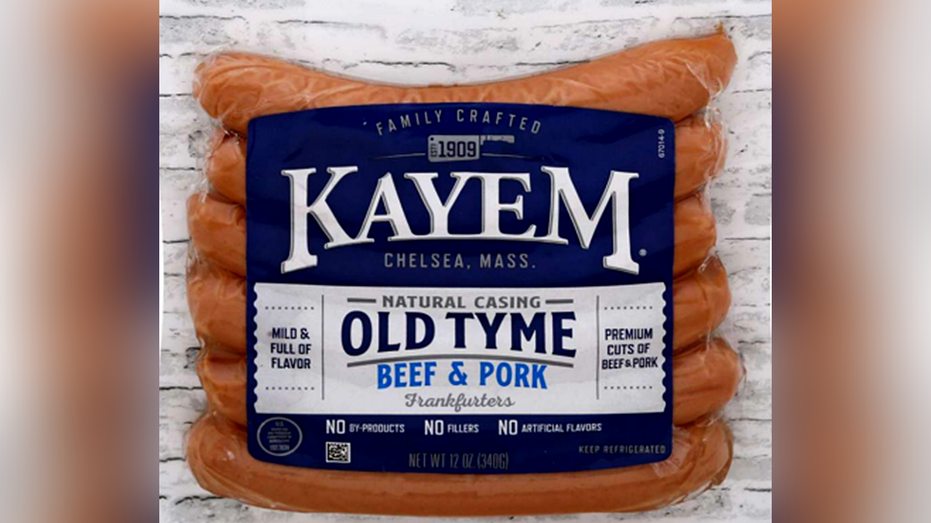
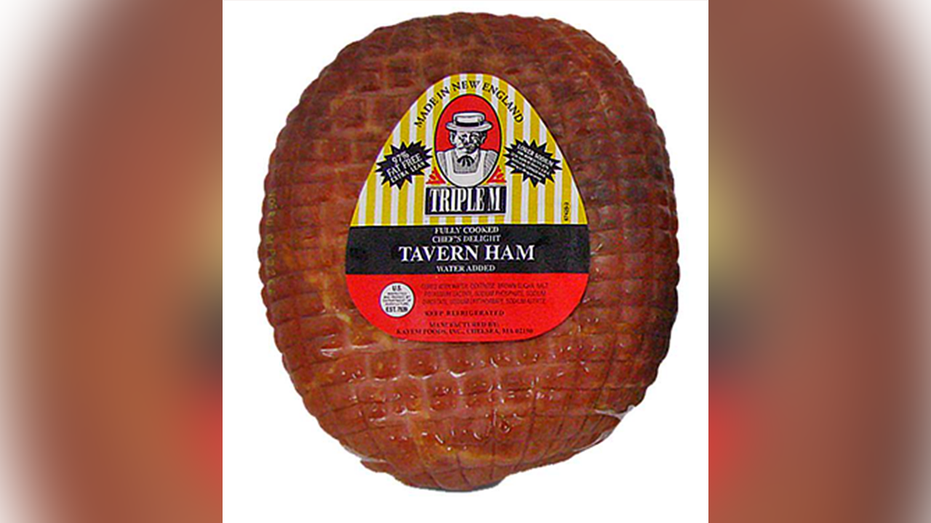
Production dates for the compromised items span roughly six months, from March 31 through Oct. 7. The company published a nine-page list of affected products. Brands and lines named in the FSIS announcement include Kayem Beef & Pork Hot Dogs, Kayem Double Smoked Thick Cut Bacon, Kayem Slow Smoked Beef Brisket, Genoa Hot Ham, Al Fresco Roasted Pepper & Asiago Chicken Sausage and Triple M Boneless Ham Steaks.
Retailers and foodservice operators received shipments nationwide. A portion of the inventory was exported to Hong Kong, according to federal officials. Consumers can identify the recalled packages by checking for establishment numbers “EST. M/P 7839,” “EST. P 20935A” and “EST. M 9520” printed inside the USDA mark of inspection.
Cold chain failures represent one of the most persistent vulnerabilities in industrial food logistics. Unlike contamination introduced during slaughter or processing, temperature abuse often leaves no visible or olfactory warning signs, making it difficult for consumers or downstream distributors to detect spoiled goods before consumption. Federal regulations require ready-to-eat meat facilities to maintain continuous, documented temperature logs precisely because these deviations are invisible until tested.
Kayem stated it has corrected the mechanical failure at the warehouse. No confirmed illnesses have been reported to date, FSIS said. The agency warned that some of the meat may still be in consumer refrigerators and directed buyers to discard the products immediately or return them to the point of purchase rather than consume them.
Anyone experiencing symptoms of illness after eating the recalled items should contact a healthcare provider, FSIS advised.