Miami Real Estate Boom Fueled by Tech Billionaire Tax Exodus
Larry Page, Jeff Bezos, and other tech founders are relocating corporate entities and buying record-breaking homes to avoid California's Prop 40 levy.
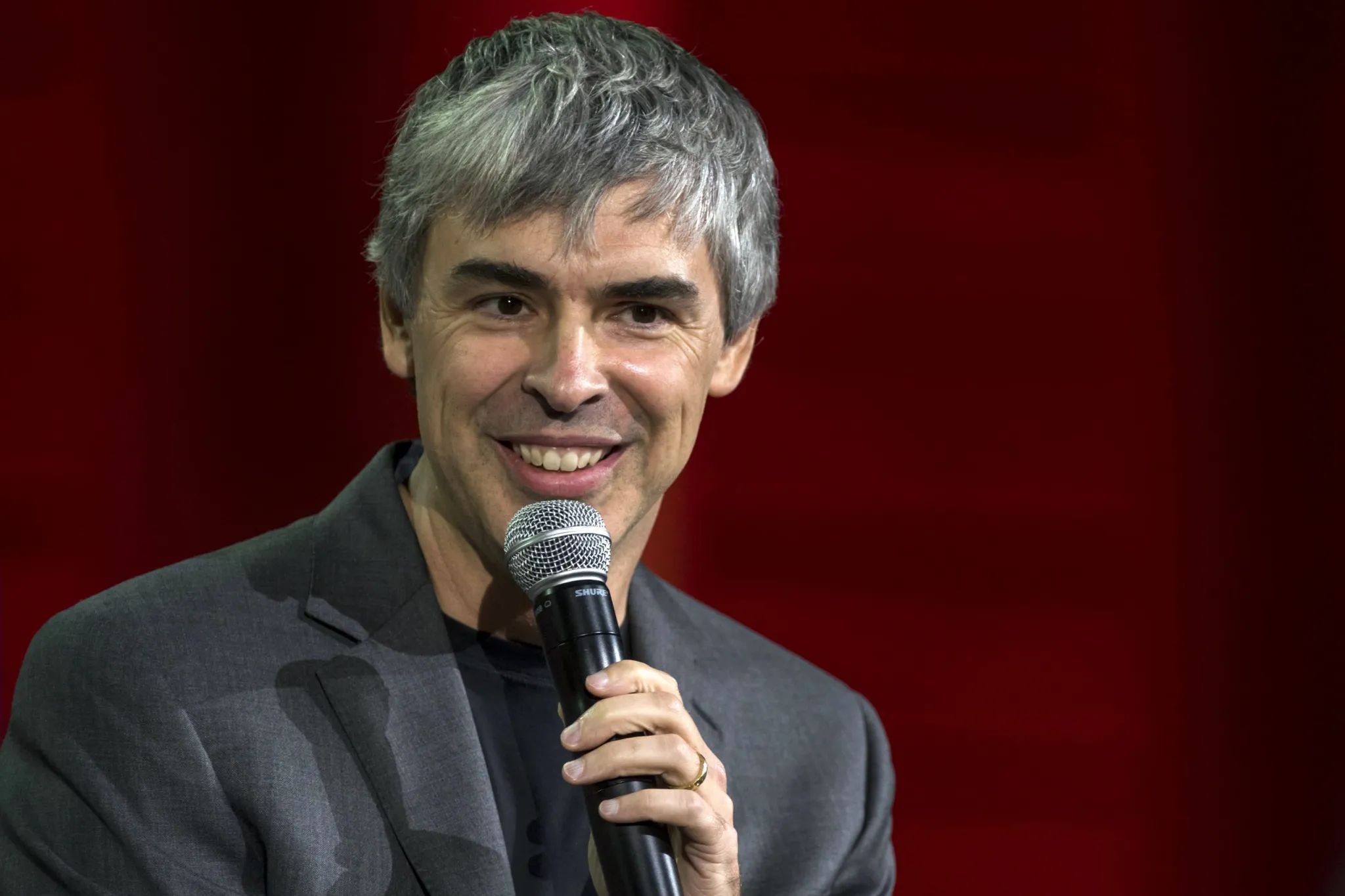
A $173.4 million real estate spree in Miami by Google cofounder Larry Page has exposed the financial fault lines of California’s Proposition 40, a proposed one-time wealth tax that is already draining the state’s projected revenue before voters even head to the polls.
Page, whose net worth stands at $292 billion, would have faced a tax bill approaching $15 billion had he remained a California resident when the measure takes effect. Instead, his family office, Koop, was reincorporated in Delaware in late December, according to Fortune. State filings analyzed by Fortune reporter Sasha Rogelberg show that other entities linked to Page — including Flu Lab LLC, One Aero, and Oceankind — were also moved to Delaware that same month after years of California registration.
The corporate restructuring coincided with a rapid accumulation of South Florida property. Page purchased an 11,855-square-foot estate in Miami’s Coconut Grove neighborhood for $101.5 million, The Wall Street Journal reported early this year, citing people familiar with the matter. Redfin data identified it as the most expensive U.S. home sale of December and the fourth largest of 2025. Miami-Dade property records show Page also acquired a nearby parcel for $71.9 million.

Florida imposes no income, capital gains, or wealth tax. That statutory difference is accelerating a migration pattern first visible when Amazon founder Jeff Bezos left Seattle for Miami in late 2023. Bezos sold his Hunts Point mansion for a record $63 million and now occupies a $237 million Miami compound with his wife, Lauren Sánchez Bezos. Washington state subsequently enacted a 9.9% tax on household income above $1 million, which faces a potential repeal vote on Nov. 3. Former Starbucks CEO Howard Schultz announced his own relocation from Seattle to Miami in March, paying $44 million for a penthouse as Washington lawmakers advanced the millionaires tax. Schultz wrote that he and his wife were “enjoying the sunshine of South Florida and its allure to our kids on the East Coast,” while Bezos cited proximity to his parents.
The departures carry immediate fiscal consequences for California. Page, fellow Google cofounder Sergey Brin — who relocated to the Nevada side of Lake Tahoe and also bought a Miami home — venture capitalist Peter Thiel, and former Uber CEO Travis Kalanick would have collectively owed approximately $29 billion under Prop 40, according to a recent Fortune estimate. That figure represents more than a quarter of the measure’s total projected $100 billion yield.
Real estate brokers tracking the exits describe reluctant clients. Compass agent Michael Martirena told Fortune’s Marco Quiroz-Gutierrez that many ultrawealthy residents “want to stay in the state of California, because they love where they’re at, and they never thought of moving.” But, Martirena added, “they work very hard for their money, and they said they like their pocketbook much more.” Miami developer Robert Rivani, who relocated from Los Angeles, called Florida’s lack of income taxes “a huge boon for us.”
Not every tech leader fled. Nvidia CEO Jensen Huang is “perfectly fine” with the measure, according to reports.
The political battle over Prop 40 remains heavily lopsided. Opponents have spent more than $187 million fighting the initiative, compared with roughly $32 million raised by supporters. Two billionaire-backed countermeasures, Props 41 and 42, are designed to nullify Prop 40 if either draws more votes on the ballot.
Even if the tax passes, enforcement poses a distinct challenge. The Jan. 1 residency cutoff date is likely to face litigation, according to the California Budget & Policy Center. California determines residency by weighing factors such as time physically spent in the state and ongoing business ties, rather than relying solely on where a person claims domicile.