

Amazon Pledges $1B to Data Center Towns Amid US Moratorium Push
AWS eliminates NDAs with local governments and launches community investments as over 100 U.S. moratoriums threaten AI expansion.
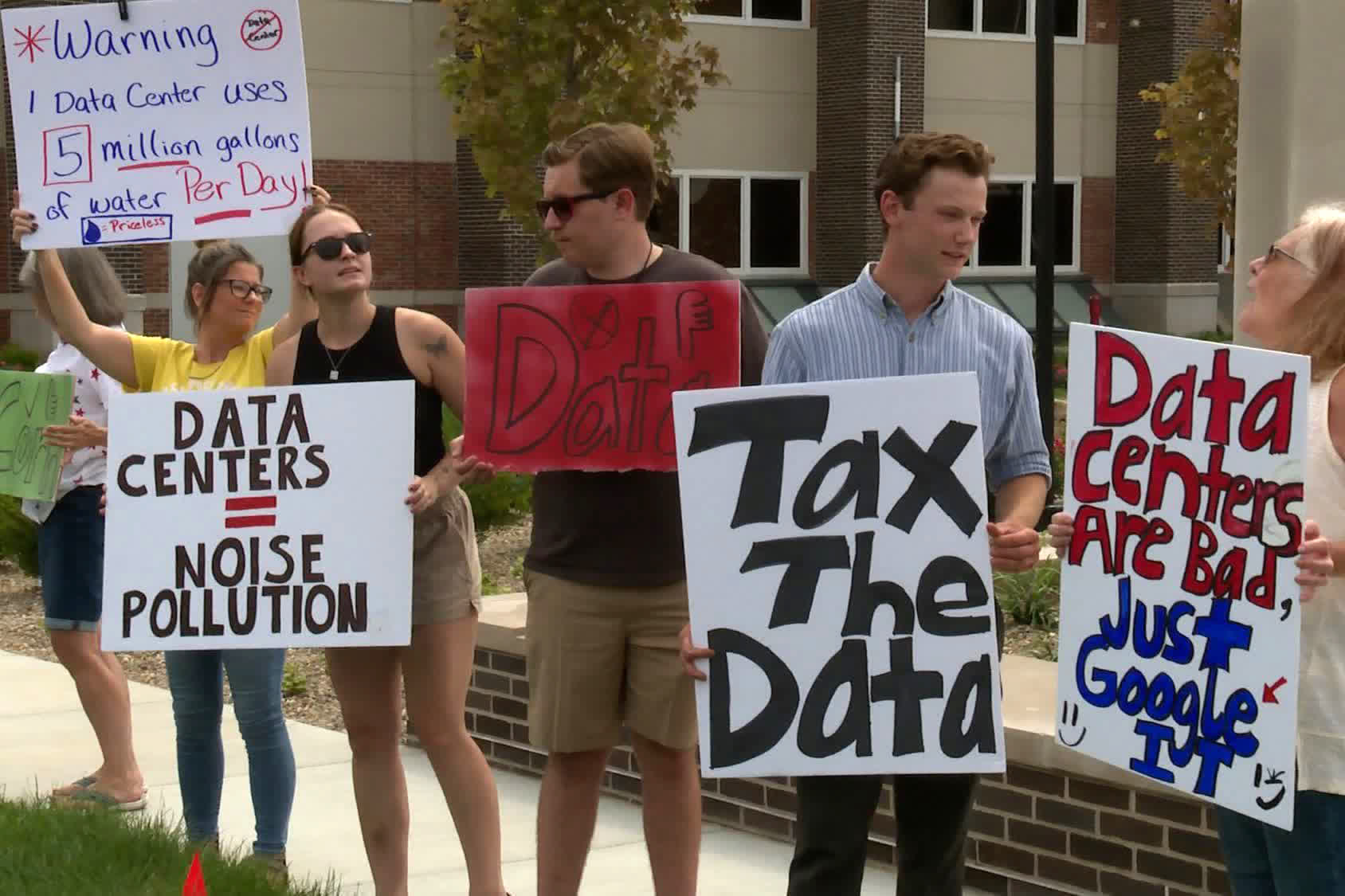
Amazon Web Services is committing more than $1 billion over five years to U.S. communities hosting its data centers, an attempt to defuse a rapidly expanding political and public backlash against the hyperscale infrastructure powering artificial intelligence.
The initiative, branded Built Together, targets the rural and small-town municipalities where massive computing facilities have strained local electrical grids, depleted groundwater reserves, and generated persistent noise complaints. AWS CEO Matt Garman outlined the program in a blog post, detailing plans to direct funds toward energy affordability, water preservation, workforce training, and education.
Hyperscale operators typically consume between 50 and 100 megawatts per facility, with next-generation AI clusters demanding significantly more power for liquid cooling systems and high-density GPU racks. For a rural county, a single campus can instantly double or triple baseline electricity demand, forcing utility commissions to approve rate increases that fall on residential customers who derive no direct benefit from the infrastructure.


Garman announced that Amazon has eliminated nondisclosure agreements previously required when negotiating with local government agencies. The company intends to host open houses and share development plans earlier in the approval process, a sharp departure from the industry’s historical reliance on project code names and sealed negotiations to prevent land speculation before sites are secured.
This transparency pivot arrives as legislative resistance hardens nationwide. More than 100 data center moratoriums are currently under consideration by state and local governments. An AP-NORC poll indicates roughly six in ten Americans support limiting new construction.
The opposition has fractured traditional partisan alignments. While Democrats have consistently scrutinized unchecked expansion, prominent MAGA Republicans are now championing pauses. Ohio gubernatorial candidate Vivek Ramaswamy and Michigan U.S. Senate candidate Mike Rogers recently endorsed moratoriums in their respective states, signaling that anti-data center sentiment has become a viable populist platform ahead of upcoming election cycles.
President Donald Trump remains the notable exception within his party, continuing to aggressively back AI infrastructure buildouts. He has dismissed protesters as “making a mistake” and characterized warnings about existential AI risks—voiced by industry leaders including Anthropic CEO Dario Amodei and OpenAI CEO Sam Altman—as a “hoax.”
Garman framed the local disputes as a matter of national security, warning that enacting widespread moratoriums could cause the United States to lose the global AI race with generational consequences. He alleged without providing specific evidence that foreign adversaries are intentionally seeding misinformation within American communities to trick residents into stalling domestic AI development.
The friction extends beyond Amazon. Competitors building similar footprints face identical headwinds. Microsoft encountered intense pushback in Wisconsin over water consumption, while Meta paused plans in parts of the Midwest following grid-capacity disputes. Unlike previous generations of tech infrastructure, such as cellular towers or regional server farms, modern AI data centers require dedicated substations and millions of gallons of water daily, making them impossible to absorb quietly into existing municipal frameworks.
Whether the $1 billion commitment alters the trajectory of pending legislation remains uncertain. Local zoning boards retain ultimate authority over land use, and several counties in Virginia, Georgia, and Oregon—the nation’s most concentrated data center corridors—have already advanced restrictive ordinances this year despite heavy industry lobbying.









