

SL-1 Fitness Band Review: Strong Battery Life Undermined by Missing Auto-Detection, Contextual Gaps
Proprietary Q Score and week-long battery can't compensate for missing auto-detection
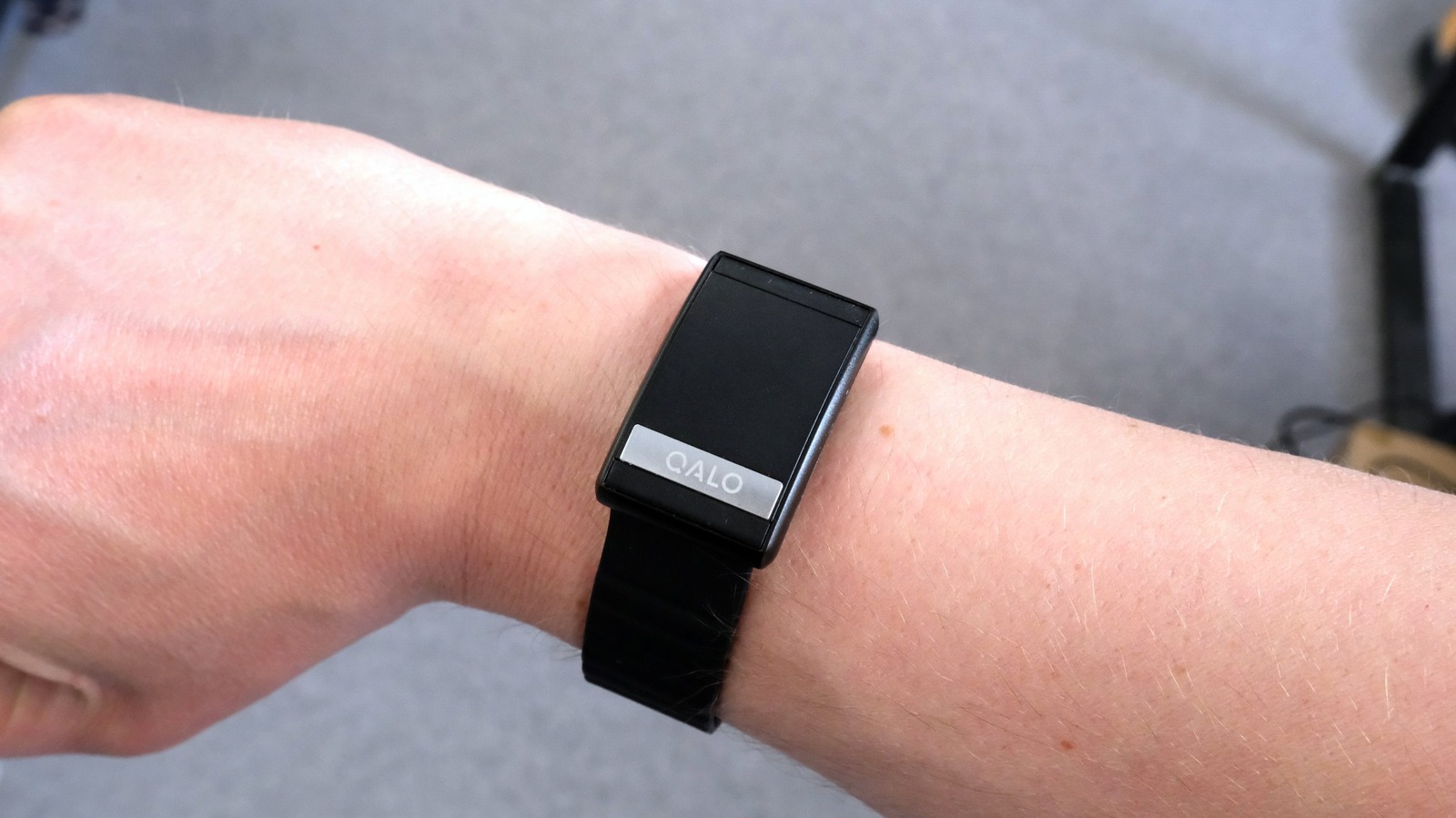
A new entrant in the crowded fitness wearable market, the SL-1 band delivers exceptional battery longevity but stumbles on fundamental features that competitors have standardized, according to a hands-on evaluation published this week.
The device centers its user experience around a proprietary “Q Score” — a single 1-to-100 metric synthesizing sleep quality, daily movement, and a “Vitality” composite that aggregates resting heart rate, heart-rate variability, blood oxygen saturation, and skin temperature. Each morning, the companion app surfaces the previous day’s score alongside streak counters designed to encourage consistent habits.
However, the scoring system operates largely in retrospect. Morning summaries frame low scores as past-tense failures — citing missing workouts or insufficient steps — without accounting for context such as illness, travel, or rest days. The home screen updates the Q Score live throughout the day, but the guidance remains reactive rather than prescriptive.


More critically, the SL-1 lacks automatic workout detection for even basic activities like walking. Users must manually start sessions or risk gaps in their activity record. At its price point, the Garmin Cirqa — a direct competitor — includes automatic detection for walks, runs, and other common workouts, a feature widely considered table stakes in 2024.
When workouts are manually logged, the SL-1 provides standard telemetry: heart-rate zones, peak and average heart rate, step count, and calorie estimates. Live heart-rate and zone data appear on the phone’s lock screen via live activities, and post-workout summaries mirror the breakdowns found on established platforms.
The standout hardware achievement is power efficiency. The manufacturer claims 12 days per charge; after seven days of continuous wear, the review unit still reported 59% battery remaining, suggesting the estimate is conservative.
The wearable market has largely converged on automatic detection, on-device GPS, and recovery-adaptive scoring. By omitting the first and offering no apparent integration of the third, the SL-1 positions itself as a capable data logger that still requires more user diligence than its peers.









