

3D Printer Fumes in Bedrooms Raise Fresh Health Alarms
Federal guidance warns even common PLA filaments release ultrafine particles and chemical gases into living spaces

Hobbyists running desktop fabrication gear inside bedrooms and compact workspaces face mounting scrutiny from environmental health specialists over the invisible airborne hazards generated during normal operation. Federal safety research shows that melting plastic filament or curing liquid resin releases microscopic particulates and chemical vapors capable of degrading indoor air quality within minutes.
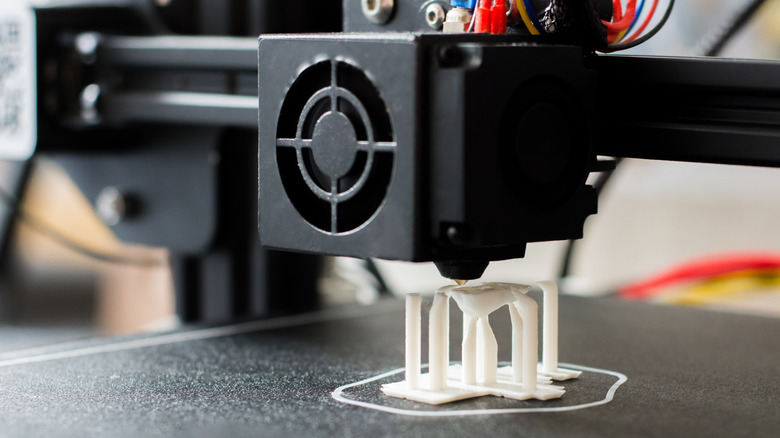
Extruding thermoplastics at high temperatures transforms solid polymers into breathable aerosols. Data from the Environmental Protection Agency demonstrates that fused-filament machines disperse volatile organic compounds alongside ultrafine particles measuring less than 0.1 microns across. Particles of that size bypass the body’s upper respiratory defenses, settling deep inside lung tissue and potentially crossing into the bloodstream.
Filament chemistry heavily dictates the volume and composition of those byproducts. While polylactic acid, commonly known as PLA, yields lower overall emissions than petroleum-derived plastics such as ABS, laboratory investigations reveal that it is far from inert. A comparative evaluation across 17 commercial filaments identified measurable particulate discharges from every tested material, with output spikes tied directly to elevated nozzle temperatures, dye formulations, and proprietary manufacturer additives.


Biological screening adds weight to those chemical findings. Controlled laboratory assessments exposing human airway cells to emissions generated by ABS and PLA hardware documented observable markers of cellular stress and inflammatory response. Although researchers have yet to define precise long-term exposure thresholds for domestic residential settings, the biological reaction confirms that raw printer emissions trigger respiratory irritation.
Vat photopolymerization equipment presents distinct chemical challenges. The National Institute for Occupational Safety and Health warns that contact with uncured liquid resin can induce severe allergic contact dermatitis and heighten asthma risks. Post-processing workflows compound the exposure hazard, as washing printed parts in volatile solvents such as isopropyl alcohol and subjecting them to secondary ultraviolet curing chambers drives additional vapors directly into ambient room air.
Standard household air treatment methods routinely fall short of neutralizing these hazards. Mechanical HEPA filtration traps suspended particulates but cannot capture gaseous volatile organic compounds. Conversely, activated carbon filters absorb certain gaseous vapors only until their media becomes saturated, demanding frequent and costly replacement. Cracking an open window rarely establishes the sustained negative pressure required to clear heavy vapor loads from an occupied home office.
Workplace safety specialists recommend treating desktop manufacturing tools as small-scale industrial machinery. Optimal installation requires sealed physical enclosures paired with dedicated mechanical ducting that routes exhaust directly outside living quarters, accompanied by isolated placements in garages, workshops, or specialized utility rooms. Safety guidance from the National Institute for Occupational Safety and Health also underscores physical plant requirements, advising operators to situate printing stations clear of combustible storage and ensure operational smoke alarms watch over unattended multi-hour print jobs.









