Fed’s Kashkari Urges Early Interest Rate Increase as Economic Strength Persists
Minneapolis Fed President warns delayed action on inflation risks aggressive rate increases later.
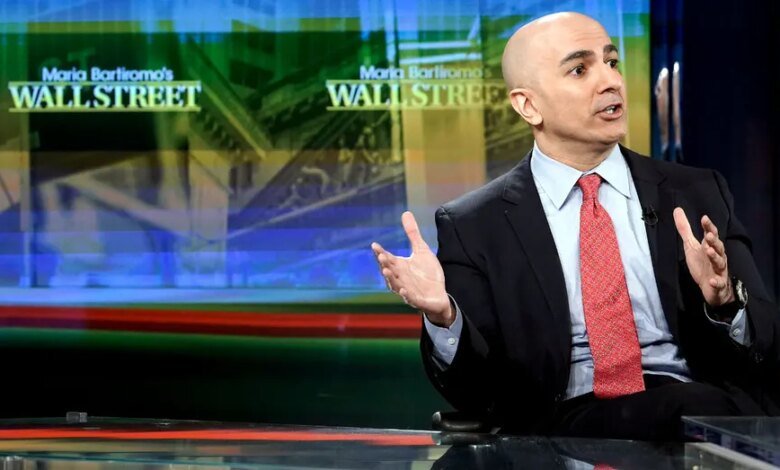
Minneapolis Federal Reserve President Neel Kashkari warned Wednesday that the U.S. central bank should begin raising interest rates in small steps immediately to suppress persistent inflation, arguing that current monetary policy is failing to restrain economic activity.
Kashkari was one of three policymakers who dissented against the Federal Open Market Committee’s 9-3 decision last week to leave the benchmark federal funds rate unchanged at 3.5% to 3.75%. Along with Dallas Fed President Lorie Logan and Cleveland Fed President Beth Hammack, Kashkari voted to raise rates by 25 basis points. The Fed has held interest rates steady all year.
In an interview with CNBC’s “Squawk Box,” Kashkari pointed to sustained momentum across major economic indicators as evidence that monetary policy is not sufficiently restrictive.
“Corporate earnings are through the roof. They’re doing great. The consumer is hanging in there. The labor market is hanging in there,” he said. “I look at this constellation, and I say, ‘What evidence do I have that monetary policy is particularly restrictive right now?’ So, I argued now is the time to start slowly moving up as we get more data in.
Both closely watched U.S. inflation metrics remained above the Fed’s 2% target in June, with the consumer price index at 3.5% from a year earlier and the personal consumption expenditures index at 3.7%. Higher energy prices stemming from the war in Iran have contributed to elevated price levels.
Kashkari emphasized that incremental policy tightening now would avoid the need for sharper rate hikes in the future. “I’m not calling for a dramatic increase in interest rates,” Kashkari explained. “I’m simply saying I don’t see evidence of monetary policy [being] marginally restrictive right now, and I think we have more work to do to get inflation back down.
“I would rather get going now in small steps than wait till later, then we have a really entrenched inflation problem, and we have to raise rates aggressively,” he added.
In statements released Friday, Kashkari, Logan, and Hammack reiterated their concerns that elevated cost pressures could become entrenched and affect broader portions of the economy over time.
Regarding internal central bank dynamics, Kashkari noted that Federal Reserve Chair Kevin Warsh, presiding over his second meeting as central bank chairman, did not pressure him regarding his dissenting vote. Warsh told him, “‘Do what you think is the right thing to do for the economy,'” a statement Kashkari said he appreciated.
Financial markets reflect a closely balanced outlook ahead of the FOMC‘s next policy decision on Sept. 15-16. The CME FedWatch tool indicates a 54.9% probability of a 25-basis-point rate hike and a 45.1% chance that rates remain unchanged. July CPI data due next week and PCE data at the end of the month will inform the committee’s next steps.