Airbnb CEO Brian Chesky’s X Account Hacked to Promote Tokenized Real-World Assets
The attacker posted an AI-assisted thread on RWA tokenization instead of a typical crypto scam.
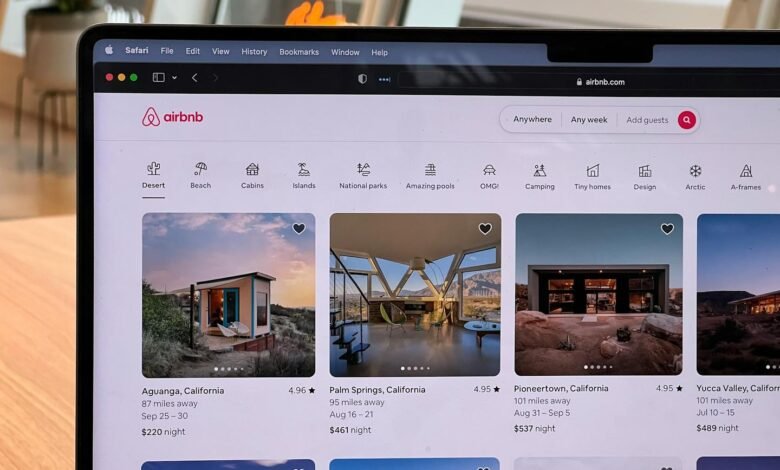
The digital asset industry has grown accustomed to high-profile social media hijackings, but a recent breach targeting Airbnb CEO Brian Chesky took a decidedly unusual turn. Earlier this week, Chesky’s official X (formerly Twitter) account was compromised by an attacker who used the platform not to broadcast a typical crypto drainer scam, but to publish a highly sophisticated, seemingly AI-assisted thread advocating for the rise of tokenized real-world assets.
The now-deleted posts argued that the process of tokenization could fundamentally revolutionize traditional finance by making buildings, bonds, and funds significantly easier to divide, trade, and settle. To bolster its arguments, the thread specifically referenced the trading platform Robinhood and its ongoing push into tokenized assets.
What puzzled cybersecurity analysts and onlookers alike was the absence of typical phishing red flags. Unlike standard crypto-related account compromises, which almost always direct users to malicious smart contracts, fake airdrops, or specific token addresses, the posts on Chesky’s account did not mention any token sale, wallet address, or external investment link. Instead, the thread read like an industry thought-leadership piece, albeit one heavily criticized by readers for its robotic, AI-generated tone.
For the broader sector, the focus on tokenized real-world assets (often abbreviated as RWAs) is highly relevant. The concept of taking a real-world asset—such as real estate, government debt, or commodities—and representing it as a digital token on a blockchain has become one of the fastest-growing sectors in Web3. Proponents argue that tokenization democratizes access to historically illiquid markets, reduces settlement times, and eliminates costly intermediaries. Heavyweights like BlackRock and Franklin Templeton have already launched tokenized treasury funds, signaling deep institutional interest in the technology.
After regaining control of his profile, Chesky addressed the situation with humor while acknowledging the sudden influx of Web3 enthusiasts to his page.
“To the person who hacked my account earlier this week: thanks for all the new crypto followers,” Chesky wrote. “To my new crypto followers: I’m going to be a very disappointing follow.”
Airbnb confirmed that it reported the security incident to X, which subsequently secured the account. At this time, it remains unclear how the attacker managed to bypass security measures to gain access, or who was ultimately responsible for the breach.