Venezuela Moves Toward Eliminating the Bolivar as ‘Money Doctor’ Steve Hanke Takes Advisory Role
Caracas considers dissolving central bank and abandoning the bolivar to tame 400% inflation
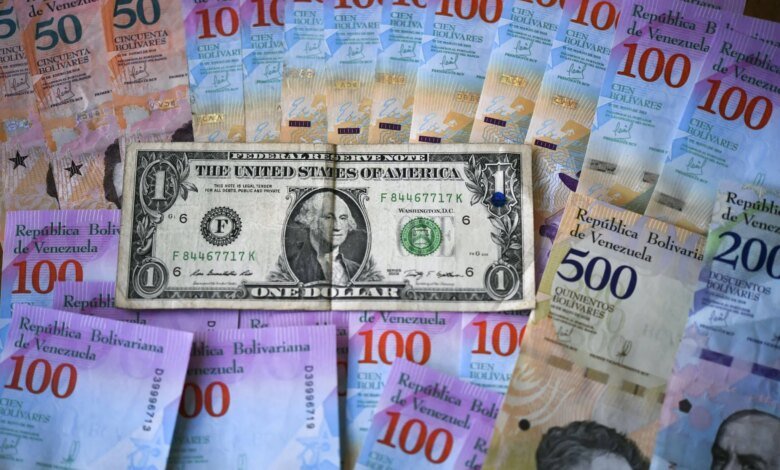
Venezuela’s National Assembly has appointed Johns Hopkins University economist Steve Hanke as a special advisor to oversee a potential transition to full U.S. dollarization. The plan entails retiring the bolivar and dissolving the central bank to curb an inflation rate reaching 400%.
The initiative seeks to end the central bank’s practice of printing currency to finance government spending, which has repeatedly triggered hyperinflationary cycles. By adopting the U.S. dollar, Venezuela would effectively hand its monetary policy over to the Federal Reserve.
The legislative move follows a 78% decline in the bolivar’s exchange rate against the greenback over the past 12 months. Spontaneous dollarization has already taken hold in the private sector, where consumers and businesses routinely transact in U.S. currency.
State workers and government pension recipients remain the primary groups dependent on the devalued bolivar. Hanke stated that the existing prevalence of informal dollarization strengthens the rationale for formal legislative action.
Hanke estimates the probability of the National Assembly approving the measure at between 50% and 80%. This initiative represents his second attempt to overhaul Venezuela’s monetary framework.
After a 1990s currency board proposal failed to secure legislative backing, Hanke previously guided major monetary reorganizations in other developing economies. He oversaw Ecuador’s adoption of the U.S. dollar in 2000 to resolve a banking crisis. He also advised Montenegro on replacing the Yugoslav dinar with the Deutschemark in 1999.
In 2009, he also served as an informal advisor to Zimbabwe when that nation adopted a multi-currency regime to arrest hyperinflation. However, Zimbabwe abandoned the U.S. dollar in 2013, which subsequently led to a resurgence of rapid price increases.
An official conversion by Venezuela would mark the largest national currency replacement since the euro entered circulation in 1999. Proponents argue that permanent price stability is a prerequisite for broader economic recovery.
Advocates assert that dollarization would drive foreign capital into Venezuela’s energy sector, boosting crude production. Higher oil exports would yield the foreign currency needed to service an estimated $250 billion in external sovereign debt, which amounts to nearly 150% of gross domestic product.
Lower inflation would also reduce elevated commercial borrowing costs. Potential results of reduced interest rates include reigniting mortgage markets, stimulating private enterprise credit, and catalyzing domestic capital expenditure.
Opponents highlight significant risks, including the loss of a lender of last resort during banking panics. Similar concerns contributed to Argentine President Javier Milei halting plans for full dollarization despite campaigning on the proposal.
Argentina chose instead to defend its pegged peso through fiscal austerity measures and bilateral backing, including currency swap support from the U.S. Treasury.
Hanke projected that swift adoption of official dollarization would move Venezuela’s economy from contraction this year into positive growth during the next annual period.