Why Driverless Cabs on U.S. Streets Still Face a Strict Automation Ceiling
Predefined operational boundaries and weather limits keep commercial fleets from reaching Level 5 autonomy
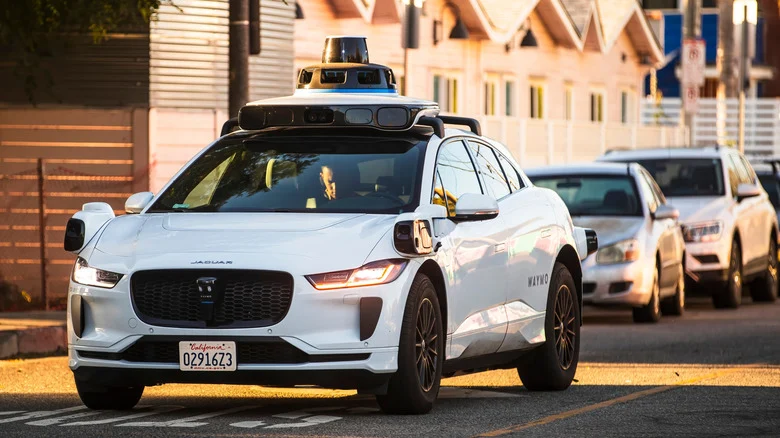
Commercial robotaxis operating without human drivers behind the wheel have expanded across major U.S. metropolitan areas, yet federal transportation regulators and engineering standards classify these systems strictly below the industry’s ultimate threshold for full autonomy.
Under the six-tier framework established by SAE International and utilized by the National Highway Traffic Safety Administration, the Waymo Driver system is categorized as Level 4 automated driving. While vehicles operating at this stage eliminate the need for human monitoring or intervention during a trip, their operational authority remains restricted to explicitly predefined boundaries known as an operational design domain.
An operational design domain, or ODD, governs the exact geographic territories, road classifications, speeds, and environmental conditions under which an automated vehicle is certified to navigate independently. Within these parameters, the system exercises complete tactical control over steering, braking, and lane navigation without relying on a human safety driver.
By contrast, Level 5 automation represents universal capability across all drivable terrain and weather conditions without geographic fencing or operational limits. According to NHTSA, no automated driving system currently on the market or in commercial deployment meets the technical standard for Level 5 operation.
The distinction between the two tiers hinges on operational scope rather than the sophistication of individual driving maneuvers. A Level 4 vehicle performs the identical core driving functions as a hypothetical Level 5 platform, but its legal and operational envelope terminates when conditions exceed its programmed design constraints.
Autonomous vehicle developers must continually redefine and validate their operational parameters as they expand commercial service. Alphabet’s Waymo has been deploying its sixth-generation Driver hardware and software suite to broaden vehicle performance in diverse conditions, including extreme winter weather. However, expanding those operational parameters exposes fleets to unpredictable environmental hazards.
In May 2026, severe weather and flooded roads in Atlanta and San Antonio prompted temporary service suspensions and operational restrictions while engineering teams adjusted system protocols.
Safety evaluation at Level 4 remains technically demanding due to the wide array of potential road configurations. Waymo collision-avoidance research published in 2026 highlighted that safety testing methodologies must analyze massive scenario datasets derived from human crash data, autonomous fleet testing miles, and specialized simulation modeling to isolate hazards within targeted operational domains.