SpaceX Builds In-House Gas Trading Desk as Launch and Factory Power Needs Surge
Rocket maker seeks natural gas trader in Texas and Florida to secure propellant supplies and power plant operations
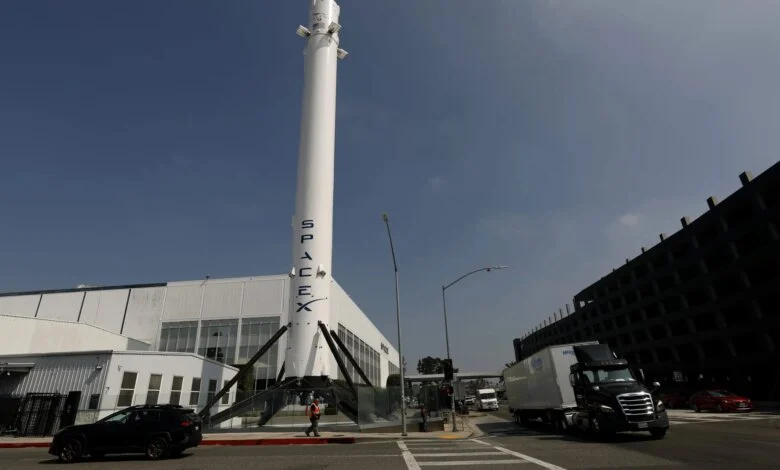
SpaceX has opened recruitment for a senior trader to establish and lead an internal natural gas trading division. The initiative signals a direct effort by the commercial space enterprise to secure its expanding energy supply chain and manage long-term fuel costs.
The newly created role focuses on both physical and financial natural gas trading. According to official job listings, the position will operate directly out of Starbase in Boca Chica, Texas, or Cape Canaveral, Florida. SpaceX explicitly ruled out remote working arrangements for the role, placing the team far from traditional energy trading hubs such as Houston, Calgary, and Stamford, Connecticut, and near the immense regional supply of liquid methane needed to sustain high-frequency Starship launches.
SpaceX’s next-generation Starship launch vehicle relies on super-chilled liquid methane and liquid oxygen to fuel its Raptor engines, a requirement that aligns with Chief Executive Officer Elon Musk’s strategy of vertical integration.
SpaceX President and Chief Operating Officer Gwynne Shotwell previously outlined the company’s intent to control its energy inputs directly. In a June interview, Shotwell stated that SpaceX plans to build its own gas pipelines and explore natural gas drilling options. She characterized the infrastructure plans as vital investments designed to produce proprietary propellant and deliver it directly to launch operations.
Beyond rocket propellant, the energy portfolio directly supports high-volume industrial projects in Texas. SpaceX recently disclosed plans to construct dedicated gas-fired power plants to supply a massive semiconductor manufacturing facility being developed in partnership with Tesla Inc.
The move places SpaceX within a broader trend across the technology sector, where surging energy requirements for artificial intelligence data centers and advanced manufacturing are pushing tech firms directly into power markets. Tech companies including OpenAI and Meta Platforms Inc. have recently moved to hire specialized power-trading leads to navigate market volatility and manage their energy portfolios.