Microsoft’s AI Expansion Triggers 25% Surge in Carbon Emissions
AI infrastructure demands drive 25% increase in emissions, challenging 2030 carbon-negative goals.
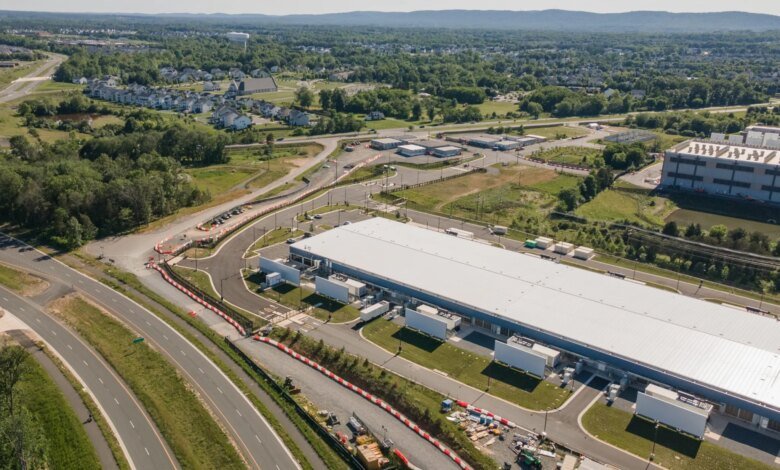
Microsoft Corp. reported a 25% increase in its carbon emissions for 2025, a spike driven by the rapid construction of data centers required to support its Artificial Intelligence ambitions. According to the company’s annual sustainability report released Thursday, total emissions reached 20 million metric tons of carbon dioxide equivalent, up from 16 million metric tons the previous year.
The figures underscore a widening gap between the tech giant’s commercial push into generative artificial intelligence and its 2020 pledge to become carbon negative by 2030. Microsoft President Brad Smith and Chief Sustainability Officer Melanie Nakagawa acknowledged in the report that while AI infrastructure is driving demand for energy and materials, “sustainability solutions are not scaling fast enough to meet demand.”
This surge reflects a broader trend in the technology sector, where the massive computational power required for large language models is straining electrical grids. The International Energy Agency has previously warned that electricity consumption from data centers, AI, and the cryptocurrency sector could double by 2026.
To meet these immediate power needs, Microsoft has turned toward traditional energy sources. In June, the company entered an agreement with Chevron Corp. to utilize a natural-gas-fired power plant in West Texas to support a new data center complex. This reliance on fossil fuels contrasts with the company’s long-term goal of sequestering more carbon than it emits.
The report also attributed the emissions rise to a strategic pause in the purchase of certain renewable energy credits. Microsoft indicated it is moving away from “controversial” carbon-banking deals that do not directly incentivize the creation of new carbon-free energy. Executives have also reconsidered a previous target to match hourly data center electricity use with renewable sources.
Despite the setback, Smith and Nakagawa characterized the current “tension” as productive, stating that the company is refining its strategies as “trade-offs become clearer” without lowering its overall climate ambitions.