Truck Tariff Dispute Sparks $20B U.S.-Canada Trade Retaliation
Heavy-duty truck dispute triggers $20 billion in reciprocal tariffs between Washington and Ottawa
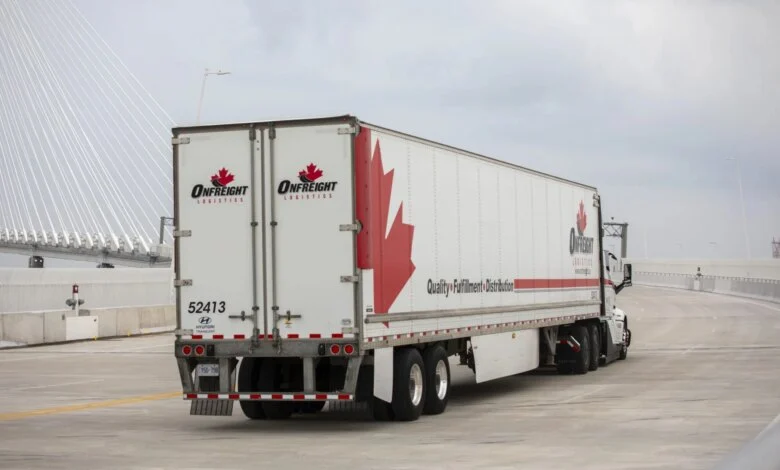
A sudden collapse in cross-border trade talks between Washington and Ottawa has triggered a swift escalation in economic penalties, driven by a dispute over tariff relief for heavy-duty trucks and commercial vehicles.
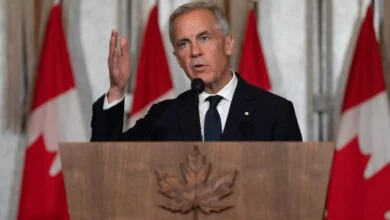
The breakdown resulted in the United States enacting 50% tariffs on approximately $20 billion in Canadian goods. In response, Canadian Prime Minister Mark Carney announced dollar-for-dollar counter-tariffs against American exports scheduled to take effect on Sept. 8.
Prior to the impasse on Friday, negotiators had been working toward a framework to reduce existing sectoral levies on Canadian steel, aluminum, lumber, and autos. That framework proposed lowering standard automobile tariffs from 25% down to 15%, though Canadian officials pressed to extend the reduced rate to medium- and heavy-duty vehicles.
Talks fractured during a late Friday exchange over that demand. U.S. representatives rejected the request, characterizing it as an eleventh-hour demand outside the agreed parameters.
Canadian officials and industry representatives maintained that excluding larger platforms would disproportionately affect major domestic manufacturing operations, including an Ontario facility producing the Ford F-350.
Carney addressed the standoff on Saturday, stating that refusing relief for heavy-duty truck manufacturing would have directly cut off key Canadian assembly lines without justification.
Flavio Volpe, president of Canada’s Automotive Parts Manufacturers’ Association, disputed claims that Ottawa introduced new demands, asserting instead that U.S. negotiators removed the heavy-vehicle category from the proposed tariff reduction list at the final stage of discussions.
The standoff comes amid heightened scrutiny over North American supply chain commitments, with Canadian labor officials warning that piecemeal tariff exemptions would undermine long-term manufacturing stability.
Unifor National President Lana Payne confirmed the union advised the federal government to ensure all automotive components compliant with regional trade rules remain fully exempt from tariffs, cautioning that unfavorable carveouts would weaken Canada’s competitive position.