Iran Shuts Strait of Hormuz as U.S. Resumes Strikes, Shattering Fragile Ceasefire
U.S. resumes strikes as maritime ceasefire collapses.
Iran has declared the Strait of Hormuz closed “until further notice,” effectively dismantling a month-old ceasefire as U.S. forces launched a third round of retaliatory strikes against the Islamic Republic. The escalation follows an incident in which the Revolutionary Guards Corps fired warning shots at a Cyprus-flagged container ship, which Tehran claimed was using an “unauthorized route.”
U.S. Central Command confirmed the vessel sustained “significant engineroom damage” and reported a civilian crew member missing. In a statement, the military characterized the subsequent American strikes as an effort to “degrade Iran’s ability to attack civilian mariners.”
The closure of the waterway—a 21-mile-wide chokepoint through which approximately 20% of the world’s liquid petroleum passes—threatens to reignite a global energy crisis. While the United Nations Convention on the Law of the Sea provides for the right of transit passage through international straits, Iran has increasingly asserted sovereign control over the passage, demanding the right to charge transit fees.
The diplomatic framework established last month to end the conflict appears to have disintegrated. Iranian Foreign Minister Abbas Araghchi accused Washington of violating the interim agreement by rescinding waivers that allowed Iran to sell crude oil in U.S. dollars. Washington maintains the waivers were ended specifically because of renewed Iranian aggression in the strait.
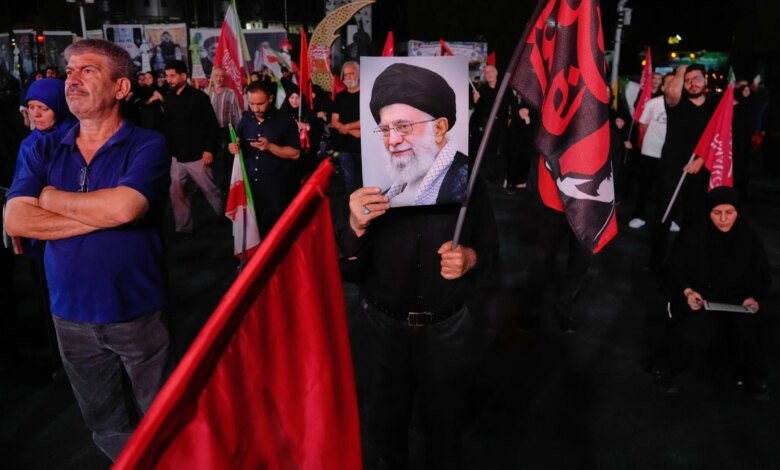
Adding a personal dimension to the military theater, Iran’s new Supreme Leader, Mojtaba Khamenei, used his first public statement since the funeral of Ayatollah Ali Khamenei to vow “revenge” for his father’s death. The elder Khamenei was killed in the war’s opening strikes on Feb. 28. Mojtaba Khamenei stated on state television that such retaliation “is the will of our nation.”
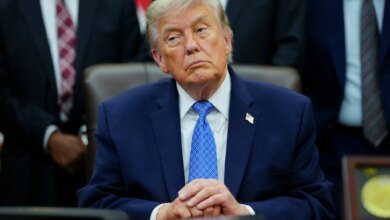
The rhetoric was met with a direct warning from President Donald Trump, who claimed that 1,000 missiles are “Locked and Loaded” and aimed at Iran. Trump cited threats to “assassinate” him as the justification for the continued military posture.
The human cost of the renewed hostilities is mounting. Iranian Health Ministry spokesperson Hossein Kermanpour reported that recent strikes have killed at least 17 people and wounded 115 others. While the U.S. has claimed responsibility for several rounds of attacks, other strikes have hit Iranian territory without an official claim of responsibility, prompting speculation regarding the involvement of regional Gulf states.
Oman continues to facilitate “technical and political” discussions between the parties, though senior U.S. officials previously indicated that negotiations cannot progress without a public guarantee that the strait remains open. Iran’s latest declaration suggests the opposite, as the theocracy remains unified under its new leadership despite U.S. suggestions of “rogue” hard-line factions.