Canada’s Infrastructure Bottleneck: Why Billions in UAE Capital Are Sitting Idle
Regulatory delays and a lack of shovel-ready projects stall a US$50 billion commitment from Abu Dhabi.
Canada’s ambition to become a global magnet for sovereign wealth is colliding with a domestic reality of regulatory inertia and a lack of viable projects. In a blunt assessment of the country’s current investment climate, the Calgary-based Major Projects Office recently informed a delegation from the United Arab Emirates that it simply has nowhere to put their money.
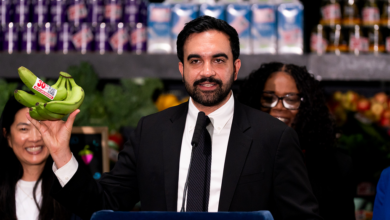
Three officials speaking on the condition of anonymity confirmed that the agency told Emirati representatives in mid-June it was too soon to inject capital into the country. The message underscores a widening gap between the diplomatic successes of Prime Minister Mark Carney and the operational capacity of the Canadian economy to absorb large-scale funding.
The standoff involves a US$50bn commitment secured from UAE president Sheikh Mohamed bin Zayed al-Nahyan and the Crown Prince of Abu Dhabi. While the Prime Minister has frequently highlighted this commitment, Canadian officials admit that none of the capital has been deployed. The OECD has previously noted that complex regulatory environments can act as significant deterrents to foreign direct investment, a challenge that now appears to be stalling Carney’s plan to transform Canada into the strongest economy in the G7.
Jean Charest, co-chair of the UAE-Canada Business Council and former Quebec premier, characterized the Major Projects Office response as the only one they could give. According to Charest, the agency is not yet ready to facilitate the deployment of funds, a status he claims applies to almost all potential investors at this stage.
The Major Projects Office was established nearly a year ago to fast-track 20 projects valued at C$135bn. However, many of these initiatives remain in a pre-deployment phase, bogged down by legal, regulatory, and consultation requirements. This lack of shovel-ready opportunities is creating significant pressure ahead of a planned Toronto investment summit in September, where the government aims to attract C$1tn in total investment over five years.
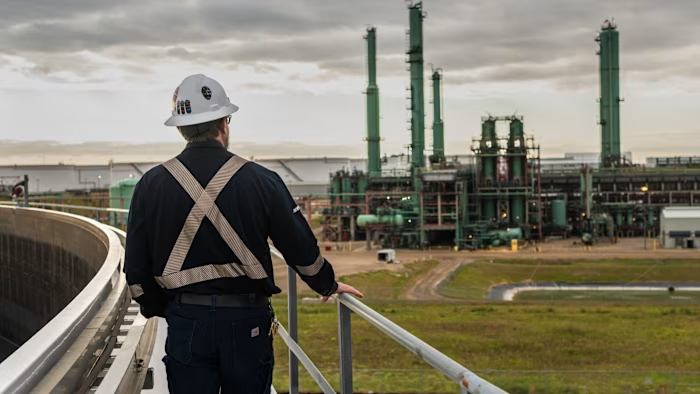
The difficulty in moving from commitment to construction is exemplified by a proposed 1mn-barrel-a-day oil pipeline stretching from Alberta to the coast of British Columbia. Alberta premier Danielle Smith noted that private-sector investors remain wary after billions were spent on previous failed regulatory processes. Smith argued that the current environment requires significant work to restore investor confidence.
Structural challenges, including intra-provincial trade barriers and red tape, continue to hamper Mark Carney’s goal of doubling trade with non-US partners. Lisa Baiton, president of the Canadian Association of Petroleum Producers, has called for more predictable regulatory processes and a more competitive tax system to foster foreign investment.
While some projects are moving forward, the timelines remain long. DP World is targeting 2030 for the completion of the Contrecoeur container terminal at the port of Montreal, with investment not expected to be secured until 2027. David McKay, chief executive of the Royal Bank of Canada, observed that the private sector has felt rebuffed for a decade and is now waiting for better alignment between government stakeholders and First Nations before committing further capital.