Mauricio Umansky Warns California Business Confidence Is Critical in 2026 Gubernatorial and LA Mayoral Races
Real estate leader ties housing affordability and regulatory reform to voter choices in governor and LA mayor contests
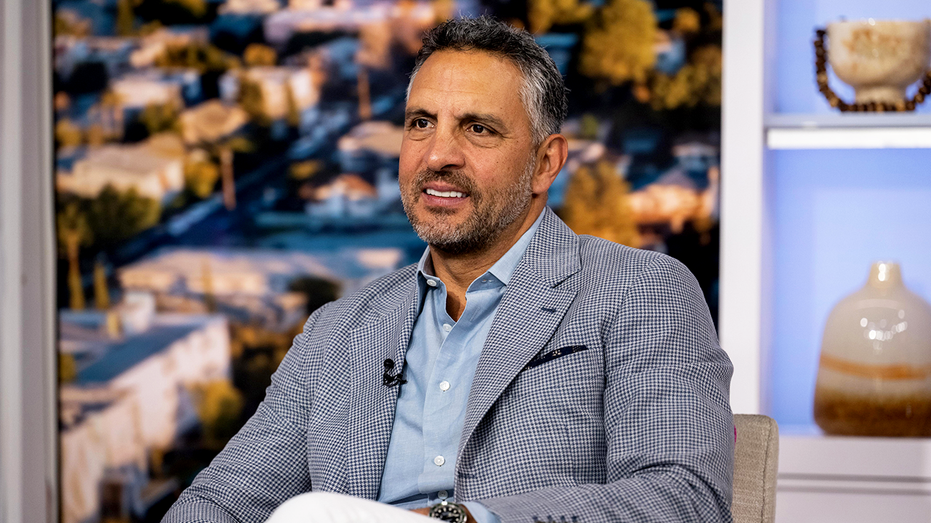
Real estate executive Mauricio Umansky has issued a direct challenge to California’s political leadership, arguing that restoring business confidence is the single most important factor in reversing the state’s economic stagnation. Speaking during the 2026 gubernatorial campaign cycle, The Agency founder and CEO emphasized that housing affordability and regulatory reform must be addressed simultaneously to stop the exodus of companies and high-income residents.
Umansky’s comments come as voters evaluate sharply contrasting platforms in the governor’s race between Republican Steve Hilton and Democrat Xavier Becerra. Hilton has built his campaign on reducing taxes and dismantling regulatory barriers, while Becerra has proposed declaring a statewide housing emergency and directing agencies to prioritize production and affordability. The debate reflects a broader struggle over whether California can retain its tax base while addressing cost-of-living pressures that have driven net domestic migration losses for more than a decade.
The urgency of this economic argument extends beyond Sacramento to Los Angeles, where the mayoral contest has become a proxy battle over the state’s future direction. Umansky specifically criticized Democratic Socialists of America member Nithya Raman, warning that her policy agenda could further discourage private investment in the nation’s second-largest city. He argued that expanding social programs without corresponding incentives for capital reinvestment risks accelerating the departure of businesses that anchor local employment and housing demand.

Data supports the concern that California’s business climate is deteriorating relative to competing states. Research from the Public Policy Institute of California indicates that corporate headquarters relocations are frequently motivated by lower tax burdens and reduced regulatory complexity in destinations such as Texas, Nevada, and Tennessee. High commercial electricity rates, among the highest in the continental United States, and persistent fuel costs compound these structural disadvantages for firms considering expansion or retention in the state.
Housing remains the nexus of both the economic and political crises. Median home prices in California remain roughly double the national average, a disparity that constrains labor mobility and forces employers to pay wage premiums that erode competitiveness. While Becerra’s emergency declaration aims to streamline approvals, industry leaders note that local entitlement processes, environmental review requirements under CEQA, and construction costs continue to suppress supply even when state-level rhetoric shifts toward pro-development policies.
Umansky acknowledged that no single election cycle can resolve decades of accumulated structural challenges. He characterized necessary reforms as incremental rather than transformative, suggesting that policymakers should focus on measurable improvements in permitting timelines, fee structures, and tax predictability to signal a changed environment to investors. This pragmatic framing contrasts with more ideologically rigid positions on both sides of the current political divide.
The intersection of statewide and municipal elections creates unusual leverage points for policy change in 2026. Business leaders watching the Los Angeles mayoral race view it as a bellwether for whether California’s largest metro area will adopt governance models compatible with private-sector growth or continue trending toward expanded public-sector management of economic outcomes. Umansky’s intervention signals that prominent stakeholders are no longer willing to separate real estate market health from broader questions of fiscal and regulatory governance.