The Regulator That Tried to Shut Kalshi Down Now Sues States to Keep It Open
In 2023 the CFTC said Kalshi's election bets were gaming and against the public interest. In November 2026 it sued Utah, threatened nine other states and gave the company 30 days to reopen where courts told it to stay shut.
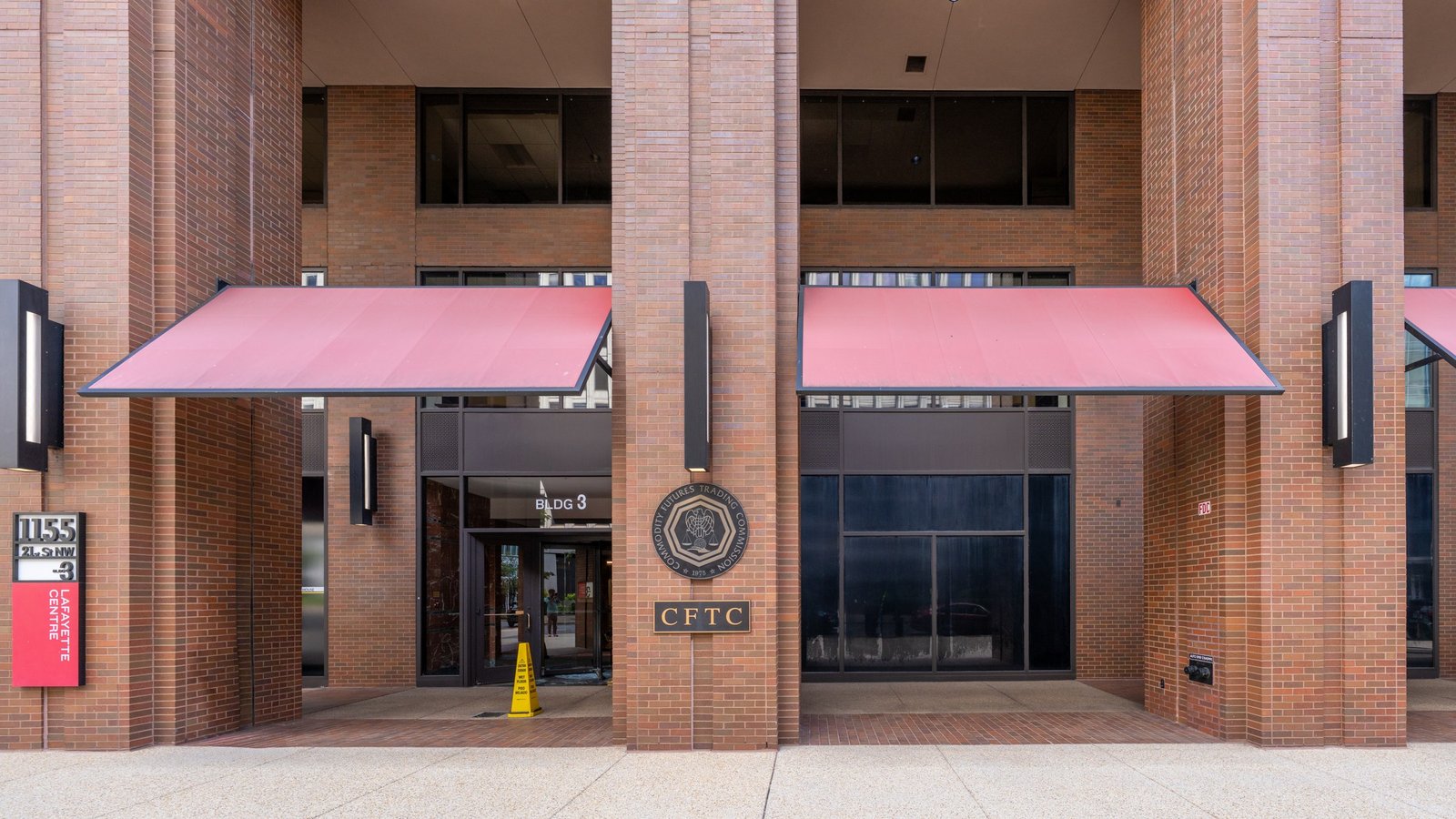
On November 5, the Commodity Futures Trading Commission told every federally registered exchange in America to stop blocking traders by state within 30 days, or explain in writing why it cannot. The order named no company and no state, but the prediction market Kalshi is the exchange with customers locked out of Nevada, Michigan and Washington by court order, and the 30 days run out on December 5.
Kalshi can’t comply with the order without defying a court. The Ninth Circuit ruled in August that the company’s sports contracts were not swaps “because they were sports bets,” and on November 4 it refused to rehear the case. The Second Circuit denied Kalshi and Coinbase injunctions the day before, leaving enforcement actions in Connecticut and New York free to run. u/Motor_Maize_4949, writing on Reddit, put the position the order creates in one line: “Even if Kalshi wanted to reopen Nevada tomorrow, the courts ordered the exact opposite, so what are they supposed to do, pick which fine theyd rather pay?”
Three years ago the same agency was trying to stop Kalshi listing the contracts it now defends. Kalshi self-certified contracts on which party would control Congress in June 2023, and the CFTC disallowed them that September, arguing they were gaming and against the public interest. Kalshi sued. A federal judge in Washington ruled for the company in September 2024, the appeals court refused to pause that ruling the following month, and in May 2025 the CFTC asked the court to drop its own appeal. The court agreed two days later.


The same agency fined Polymarket $1.4 million in January 2022 and ordered it to wind down its American operations for running unregistered event markets. When Kalshi self-certified its first sports contracts in January 2025, the CFTC asked for information on January 31 and then took no further action, according to a filing Kalshi made in its Nevada case.
The CFTC changed sides in six weeks this autumn. It proposed classifying some event contracts as swaps on October 9, and an interim final rule to that effect took hold on October 19. Utah sued Kalshi and two Susquehanna trading firms the next day, putting the fees at $30.6 million to $61.2 million on more than three billion wagers tied to Utah accounts. The CFTC answered a week later by suing Utah, the tenth state it has taken to court over prediction markets.
The criminal case rests on twelve wagers worth $114.87. An undercover agent for the Utah attorney general placed them from Salt Lake and Davis counties in September, paying $3.36 in fees. Those twelve wagers support twelve felony counts of promoting online gambling, plus one felony count of a pattern of unlawful activity and one misdemeanor count of gambling promotion. The founders, chief executive Tarek Mansour and chief operating officer Luana Lopes Lara, were summoned rather than arrested. Utah is the second state after Arizona to bring criminal charges against a federally registered prediction market operator.
Arkansas sued Kalshi on November 4, the same day the Ninth Circuit refused to rehear the Nevada case. The next day the CFTC issued its 30-day order, an interpretation of a rule that has sat in the regulations since 2012. The rule, Regulation 38.151(b), requires exchanges to provide “competitive, open, fair, and impartial access,” and the agency reads it as barring any refusal based on a trader’s state of residence.
The commission is meant to have five members, each serving a staggered five-year term, with no more than three from one party. Today it has one: Michael Selig, who took office as chairman on December 22, 2025, with the other four seats vacant. CoinDesk reported that the commission’s actions are issued unilaterally. Senator Adam Schiff, a California Democrat on the committee that oversees the agency, said the CFTC and its chairman “now appear to be encouraging platforms to continue offering gambling products in contempt of these court orders.”
More than 90 percent of Kalshi’s trades in 2025 were sports related, and 95 percent of its revenue. The Ninth Circuit noted both figures, and the company’s own advertising: “the first app for legal sports betting in all 50 states.” The election markets that made the company’s name are the smaller business. Trading on the 2026 midterms passed $2.5 billion, against $1.3 billion in 2024, and traders called 98 percent of the resolved races.
Traders on Reddit read the 30 days as a trap. “The bigger question under all this is who even gets to regulate these markets in the first place,” u/NeighborhoodOne7815 wrote, adding that until a court settles the preemption question “both sides get to claim the law is on their side.” That is the senator’s charge in the traders’ own language: Schiff said the agency encourages platforms to act “in contempt of these court orders,” and the traders say the company must pick which fine to pay. In Utah, the charges have supporters. “Just made illegal. We don’t need more gambling in a country where its citizens already suffer from crippling debt,” u/uuuuuggghhhhhhh wrote. In Nebraska, where voters rejected state-licensed online sports betting, one user noted the ballot measures “were only about state licensed books paying state tax, so voters never really had a say on Kalshi in the first place.”
Comments on the CFTC’s swap proposal close on November 18, two days before a federal judge hears the agency’s bid to halt Utah’s cases. The 30-day clock runs out on December 5. Kalshi must answer New Jersey’s Supreme Court petition by December 7, and it has until February 2, 2027 to ask the court to review the Ninth Circuit’s ruling.
Three days before the interpretation, the CFTC approved Sporttrade as a designated contract market and clearing organization, a new venue for sports-event contracts. Its approval was announced on November 2.