McDonald’s Value Menu: 4,000 Restaurants Moved Before the Test Did
The test covers 1,900 restaurants. The owners moved first in 4,000 — and only 60% of restaurants even offered the last value menu.
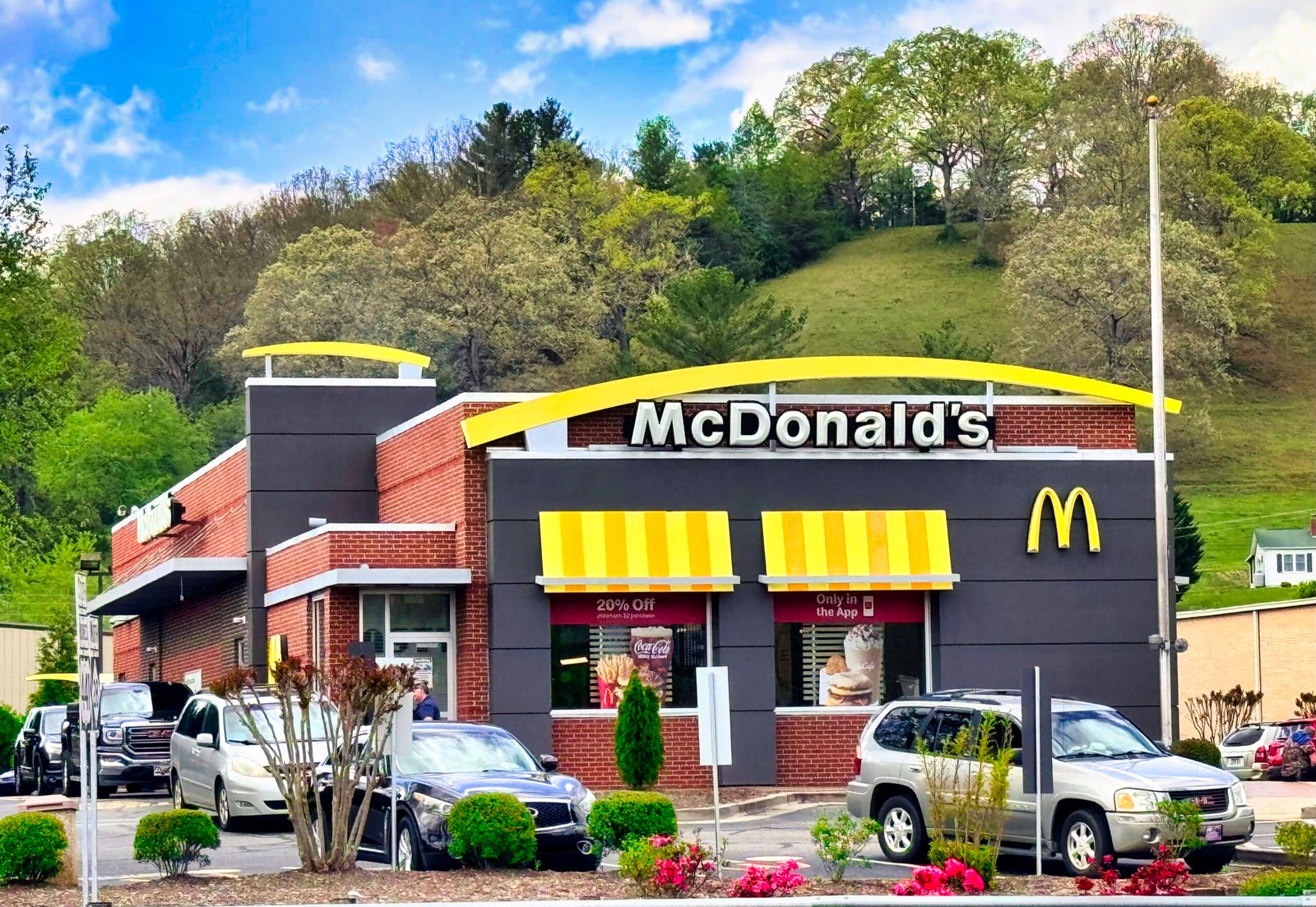
The Quarter Pounder meal for $8 went on sale at McDonald’s restaurants across the United States on Monday, November 2. Two days later the company told investors it had just begun an eight-week test of cheap bundles, and that franchisees running about 4,000 restaurants had already put their own bundles on sale without waiting for the results.
The test covers about 1,900 restaurants in a handful of regions. It is the company’s route to a new McDonald’s value menu for early 2027. The franchisee bundles cover about 4,000 more, and together the two groups account for more than 40 percent of the American system. Chris Kempczinski, the chairman and chief executive, put it plainly on the earnings call: part of the coverage is franchisees “not wanting to wait for the test and actually get out and put entry-level value in place already.”
Getting McDonald’s franchisees to sell the cheap food has been the hard part for two years. In August, Kempczinski told investors that only 60 percent of American restaurants were offering the revamped McValue menu, and McDonald’s replaced its United States president that same month. Franchisees own 95 percent of the company’s American restaurants.


The arithmetic of who pays for a cheaper bundle sits in McDonald’s own annual report. In 2025 the company collected $10.44 billion in rent and $6.02 billion in royalties from franchised restaurants, $16.55 billion in all, about 62 percent of its $26.89 billion in revenue. Its own restaurants sold $9.69 billion of food, less than the rent alone. Franchised restaurants produced $13.93 billion of the company’s restaurant margin; the restaurants it runs itself produced $1.42 billion. Rent and royalty are charged as a percentage of sales, so a lower price shrinks the takings on both sides of the counter, and the food, the wages and the discount itself come out of the operator’s share. Kempczinski told analysts the test would be judged on whether the bundles bring in extra sales “which ultimately then drives franchisee economics.”
The quarter the test is supposed to fix was already turning before the bundles existed. American comparable sales fell 0.2 percent in the July-to-September quarter, the first retreat since early 2025, but they turned positive in September. Ian Borden, the chief financial officer, said the turn came from digital offers the company had partly restored, a $2 breakfast sandwich and free fries with a $1 minimum purchase. The early response, he said, “exceeded expectations for both incremental guest counts and sales.”
Unit sales of the leading Extra Value Meals rose about 7 percent from a year earlier. Guest counts were still negative for the quarter as a whole, and foot traffic across the whole fast-food sector fell 2.6 percent, according to Revenue Management Solutions. Food and paper inflation is expected to run in the mid-single digits into 2027.
The $8 meal is a bigger cut than the bundles it sits beside. McDonald’s advertises its Extra Value Meals at a discount of about 15 percent against buying the items separately. The Quarter Pounder meal, at $8 against a full price of more than $11, is at least $3 off, at least 27 percent. That is nearly double the promise. It went on sale November 2 for a limited time, and only at participating restaurants, not for delivery.
The people buying it do not measure the deal against the $11 menu price. They measure it against what they paid last month. When the $8 meal was announced, the most upvoted comment on the announcement thread asked, “How is that a deal 😂.” A customer in the thread about the app deal it replaced pays $9 for the meal — “i have mine for $9 instead of $8” — and says he preferred the old deal, “getting a Double QPC for under $5.” The sharpest version came from a customer with a reusable 50%-off coupon, who pays $4 for the same meal: “These should be the regular prices.”
McDonald’s has fought this fight with its owners before. The Dollar Menu arrived nationwide in September 2002, eight items at $1 each, after six quarters of poor sales, and franchisees were not required to carry it. Some raised the Double Cheeseburger to $1.39. Restaurants in New York City refused to sell it for less than $2. A dollar in 2002 buys $1.87 today, on the Bureau of Labor Statistics’ consumer price index, so the two $1 items in the test bundle, a McChicken and small fries, would cost $3.75 in today’s money against a test price of $3.50.
What the test has not settled is who carries the cost of the new McDonald’s value menu. McDonald’s announced $8.5 billion in support for franchisees at its investor day in September, and Kempczinski told analysts the split between capital and rent is still “work in progress,” with no final partnering program landed. The test will be judged on incrementality, take rates and franchisee economics.