FAA Flight Cuts Leave Airlines to Decide Which Flights Die
SkyWest lost 178 flights on the first day, the most of any carrier. The order sets the number of cuts. The airlines pick the flights.
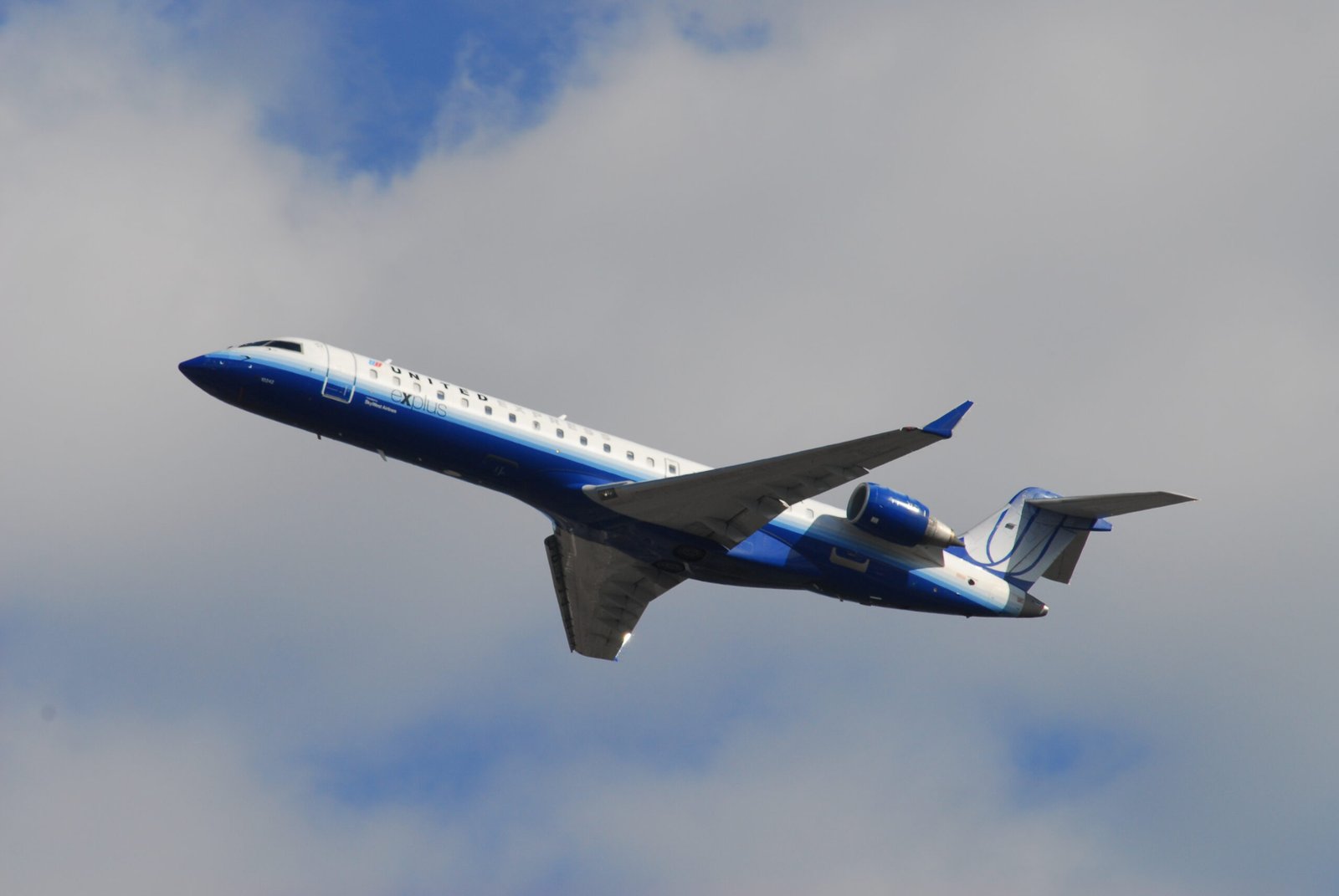
SkyWest Airlines cancelled 178 flights on Friday. That was more than any other carrier in America, on the first day of the Federal Aviation Administration’s flight cuts. Southwest cancelled 129. American and United cancelled roughly 80 to 100 each, and across the country more than 1,000 flights were cancelled and more than 4,300 delayed, according to FlightAware.
The order sets the number, not the names. The FAA flight cuts require airlines to cut 4 percent of scheduled domestic flights at 40 airports between 6 a.m. and 10 p.m., rising to 6 percent by November 11, 8 percent by November 13 and 10 percent by November 14. International flights are exempt. Which flights go is left to the airlines. The Transportation Department’s own summary says carriers “may use their own discretion to decide which flights are canceled to reach the order’s goal.” Transportation Secretary Sean Duffy said it was safe to fly today and would stay safe “because of the proactive actions we are taking.” Friday’s count mixes the order with weather: thunderstorms halted flights at Kennedy, LaGuardia and Newark on Friday morning.
United said it would focus the cuts on smaller regional routes. Delta planned to cancel about 170 flights on Friday. American planned about 220 a day through Monday. Southwest planned about 120. United said it would cut 4 percent of its flights without giving a number, and that it and its United Express partners would still operate about 4,000 flights a day. The flights that survive are the ones between hubs and the ones overseas. The ones that go are usually short hops, flown by a regional carrier in a big airline’s colors.

Airlines that fly more than their limit face a fine of $75,000 for each flight over it. The agency told carriers it would impose cuts itself if they did not cut “equitably across communities,” according to a document seen by Reuters. A year ago the order spelled the rule out in writing: reductions were to be calculated by marketing code, not by operating certificate. No single operating certificate could lose more than 15 percent, “to prevent disproportionate reductions on regional routes.”
A cancelled flight buys the passenger a refund. Under the Transportation Department’s automatic-refund rule, in force since October 2024, the airline must return the full ticket price and the fees without being asked. The money is due within seven business days for a credit-card purchase, and 20 days for other payments. A delay or change of more than three hours on a domestic trip counts as a significant change. The hotel room, the meal and the missed day are the passenger’s own. The department’s release says airlines “will not be required to cover secondary costs,” and American law requires no cash compensation for a cancellation, even when the airline is at fault. The head of Frontier Airlines told travelers to buy backup tickets on another airline.
Dana Jones, whose flight was cancelled on Friday, put it on Facebook in one sentence: “Oh my if anything crazy can happen it’s happening to me….. my flight was cancelled all together something about traffic control in the air. They shut them all down. Smh 🤦♀️” The officials talk in percentages, 4 percent now and 10 percent by November 14. The passengers talk in flights that exist or don’t. Keisha, posting from Hollywood Burbank Airport on Threads, drove two hours to the airport and learned ten minutes before boarding that her Southwest flight was cancelled because the plane was needed for another flight. Her caption: “Southwest played in my face this morning 😅”
In April the FAA capped Chicago O’Hare at 2,708 flights a day, a 10 percent cut, and in July it extended the cap through October 30, 2027. United’s first move was to drop 11 planned routes. Ten went to smaller Midwestern cities: Champaign and Bloomington in Illinois, Kalamazoo, Lansing and Marquette in Michigan, La Crosse and Wausau in Wisconsin, Tri-Cities in Tennessee, Erie in Pennsylvania and Rochester in Minnesota. The eleventh was Guadalajara. United’s chief commercial officer, Andrew Nocella, told CBS Chicago in October that the caps could last until the airport’s expansion finishes in 2034.
On November 6, 2025, the FAA ordered the same 10 percent cut at the same 40 airports during a 43-day shutdown, phased in from 4 percent. The cuts reached 6 percent before the agency froze them, then cut them to 3 percent, and lifted the order at 6 a.m. on November 17, five days after the shutdown ended. The order never reached 10 percent.
The order exists because the towers are short of people. The FAA was about 3,500 controllers short of its staffing target before the shutdown began. Its own May count put certified controllers at about 11,000, with 4,000 more still in training. The Transportation Department’s inspector general told Congress in March that 19 of the busiest facilities were more than 15 percent below their staffing targets. Last weekend, at least 39 air traffic control facilities reported potential staffing limits, against an average of 8.3 on pre-shutdown weekends, according to an Associated Press analysis. Airlines estimate at least 3.2 million travelers have already been affected by staffing delays.
On September 21 a failed circuit into the Philadelphia control center, and a backup line cut by a construction crew, stopped arrivals at Newark for about eight hours and delayed or cancelled about 9,500 flights that night. Duffy has warned that the cuts could reach 20 percent if controllers keep calling out, and Cirium counts 27 million passengers flying in Thanksgiving week. American Airlines chief executive Robert Isom told CNBC on Friday that the level of cancellation “is going to grow over time.”
Memphis and Louisville are both on the list of 40. One is the FedEx hub. The other is the UPS hub, and the Louisville airport is still clearing the wreckage of a UPS cargo plane that crashed there this week. The order covers domestic flights only. International flights are exempt, and the airlines keep flying them.