Slavery Reparations Were Already Paid Once. The Slave Owners Got Them.
The state paid £20 million to the owners in 1833 and finished paying the loan off in 2015. It now offers £40 million over three years and an apology that costs nothing.
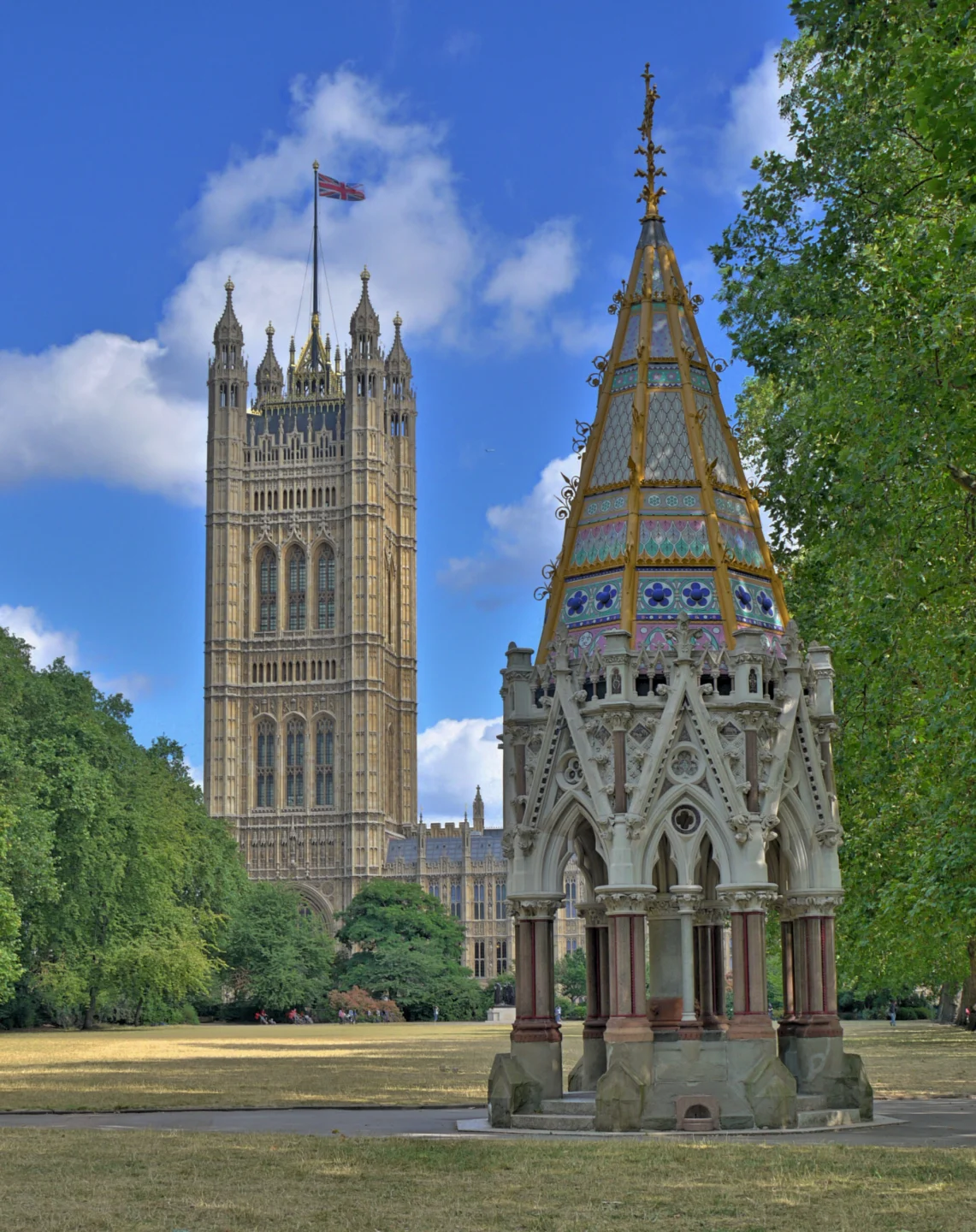
At the National Archives in Kew, the records of the Slave Compensation Commission fill 1,631 leather-bound volumes. They are the paperwork of a single transaction. They amount to a near-complete census of British slavery as it stood on 1 August 1834: the names of the owners, the estates, the number of people each one claimed, and the sum the state paid for them. The enslaved appear in the ledgers as a number and a price. Every entry in the volumes was settled.
Parliament set aside £20 million to pay those claims. The Treasury confirmed the sum in a freedom of information reply in 2018. It was about 40 per cent of the government’s total annual expenditure in 1833. The Slavery Abolition Act’s own long title says what the money was for: “compensating the Persons hitherto entitled to the Services of such Slaves”. The Act covered 19 pots across the Caribbean, Mauritius and the Cape. About 800,000 enslaved people were freed. About 46,000 people received the money. University College London, which spent more than a decade reconstructing the claims from the Treasury records, puts the modern value of the payment at about £17 billion measured against wages. Measured against the price of goods, it is about £2 billion. Either way it was the largest payout in British history until the bailout of the banks in 2008.
The largest single cheque went to John Gladstone, father of the future prime minister William Gladstone. Gladstone received £106,769. It covered 2,508 people on nine plantations in British Guiana and Jamaica, about £80 million in today’s money. His son’s maiden speech in Parliament defended slavery. Roughly 3,500 of the claimants lived in Britain, yet they collected around half of all the money. Some of it went into railways, country houses, insurance companies, mining firms, merchants and banks. Parliament paid the owners. The people who had been owned received nothing, and everyone over the age of six was then required to work unpaid for their former masters, up to 45 hours a week. Domestic workers served four years, field workers six, until the apprenticeship system was cut short in 1838.
A syndicate led by Nathan Mayer Rothschild and his brother-in-law Moses Montefiore underwrote a £15 million loan. A further £5 million was paid in government stock. The borrowing was folded into the gilt programme and ended up in an undated bond, the 4 per cent Consolidated Loan. The Treasury’s freedom of information reply says the loan was redeemed on 1 February 2015, and that the money borrowed to fund the Slavery Abolition Act was therefore fully repaid in 2015. The loan had been consolidated and refinanced several times, so nobody can say how much of the original debt was still outstanding at the end. British taxpayers serviced that debt for 182 years.
The second payment was agreed at the Commonwealth summit in Antigua last week. Prime Minister Andy Burnham said Britain was open to a formal state apology for its role in the transatlantic slave trade, and Foreign Secretary Ed Miliband said the structured dialogue with the affected countries should conclude within a year. The talks are the first formal route towards a UK slavery apology. Asked whether a formal apology could come by the time Britain hosts the G20 leaders’ summit in Manchester next November, Miliband said it could. His words were: “Broadly speaking, yes.” He also said the new approach would not cost taxpayers “a penny more”. The offer attached to it is £40 million over three years for Caribbean infrastructure, taken from existing budgets, and it is not described as slavery reparations.
£40 million over three years is £13.3 million a year. The British state spent £1,360 billion in 2025-26, so the offer is about one thousandth of one per cent of a single year’s spending. The 1833 payment was 40 per cent of a year’s spending; 40 per cent of today’s spending would be about £544 billion. On UCL’s measure, the 1833 payment is worth £17 billion. The offer is about a quarter of one per cent of that. The whole three-year offer is about half what John Gladstone alone received in today’s money.
King Charles opened the summit in St John’s on 3 November. He called the trade a shameful chapter that “fills my heart with horror and my soul with the most profound personal sorrow”. He said it “still casts a shadow over these islands and other members of our Commonwealth”, and that the Royal Navy had played “a leading role” in ending it. He offered no apology. He offered no measures to address the damage. Buckingham Palace had said he would not apologise. Outside the venue, a small group of protesters held signs reading “Acknowledge the wrong. Commit to repair.” Shana Michelle, from Antigua, told reporters: “You have to apologise, yes. That is where we start with the repair.” Tony Blair expressed “deep sorrow and regret” in 2006, which Miliband calls a “sorry, not sorry” position. One British family has already done what the state will not: the Trevelyans, whose ancestor was compensated for enslaved people in Grenada, issued a formal apology in 2023 and set up a family fund for education projects there.
St Lucia’s prime minister Philip J. Pierre, who chairs CARICOM, said the bloc was ready to engage in the dialogue but rejected Burnham’s position that financial reparations were not “the right answer”. The CARICOM reparations plan was revised in July. It asks for a full formal apology. It also asks for debt cancellation and programmes on health, education, culture and technology, alongside monetary compensation. Pierre added that debt relief could not replace reparatory justice. Most CARICOM states are classed as middle- or high-income economies and are often excluded from concessional debt relief despite their exposure to climate and economic shocks. That is the point of Burnham’s alternative, the “debt reset” for the poorest Commonwealth countries, which Gordon Brown is helping to lead. The numbers it would have to move are stark. Jamaica and Barbados each allocate more than half of government revenues to debt service, according to Afreximbank’s 2025 study of the region’s debt. Interest payments surpass health spending in Barbados, Jamaica and St Lucia, according to UNCTAD’s A World of Debt 2025. Barbados owes 96.2 per cent of its GDP and Jamaica 66 per cent.
In December 2022, Prime Minister Mark Rutte apologised on behalf of the Dutch state, calling slavery a crime against humanity. His government backed the apology with a €200 million fund, more than four times the £40 million London is offering, plus a National Slavery Museum backed by €80 million. The museum opens in 2030. King Willem-Alexander apologised in person six months later.
A YouGov poll of 2,258 adults, taken on 2 and 3 November, found 52 per cent back an official apology and 37 per cent oppose it, while 65 per cent oppose paying reparations and 21 per cent favour them. A More in Common poll for the Repair Campaign found 40 per cent back talks on reparatory justice. The figure was 60 per cent among 18- to 24-year-olds. In the Reddit threads where the story was debated this week, the argument underneath those numbers is on display. “Im happy for the state to make an official apology. However reparations are never happening. We as a nation just finished paying off the financial settlement to end slavery,” wrote one user in r/ukpolitics. Another put the same point as a fact: “We made reparations when we spent 20% of our empires budget over years to end the practice.”
The settlement Britain finished paying off in 2015 was the owners’ compensation, not the enslaved’s. The figure was 40 per cent of annual expenditure, not 20, and the money went to the people who owned human beings. The thread’s majority view is the poll’s majority view, and it rests on a payment whose direction it has got wrong. Not everyone in the threads agreed with the majority. “You set the precedent we are responsible for a crime of humanity 3 centuries ago. Now you accepted guilt and apologised, the next step is compensation for it. That is now inevitable and will happen,” wrote one user in r/unitedkingdom, who expects the apology to lead where Miliband says it will not. Another, on the same thread, could not see the point of the exercise at all: “I’ve read it twice, and I still can’t see what is expected to be achieved by doing this.” No self-identified Caribbean or descendant voice appeared in the threads read. The British public was arguing with itself. The Caribbean side of the argument was carried by its prime ministers and its ten-point plan.
On 2 November, Liz Truss wrote on X that Miliband should apologise for communism instead, asking: “How about apologising for your family’s role in communism – the most evil ideology on the planet?” The comedian Dom Joly answered that Ralph Miliband “fled the holocaust, fought the Nazis and became one of the most significant socialist thinkers of the late 20th C”. He suggested that before Truss went to the Cenotaph on Sunday, she read about the Second World War and what Ralph Miliband did in it. Two days later, Anthony Albanese dismissed her intervention. The Australian prime minister, in a row over backpacker visas, said: “Liz Truss isn’t the prime minister and wasn’t the prime minister for a very long period of time.”
Jamaica’s government sent the King a petition this year. It asked for reparatory justice. The petition says Jamaican enslavers received about a fifth of the 1833 fund.