Tesla Ends Cybertruck Run to Build Robotaxi Fleet at Texas Plant
Cybercab faces NHTSA audit as Tesla pivots from struggling truck to autonomous fleet
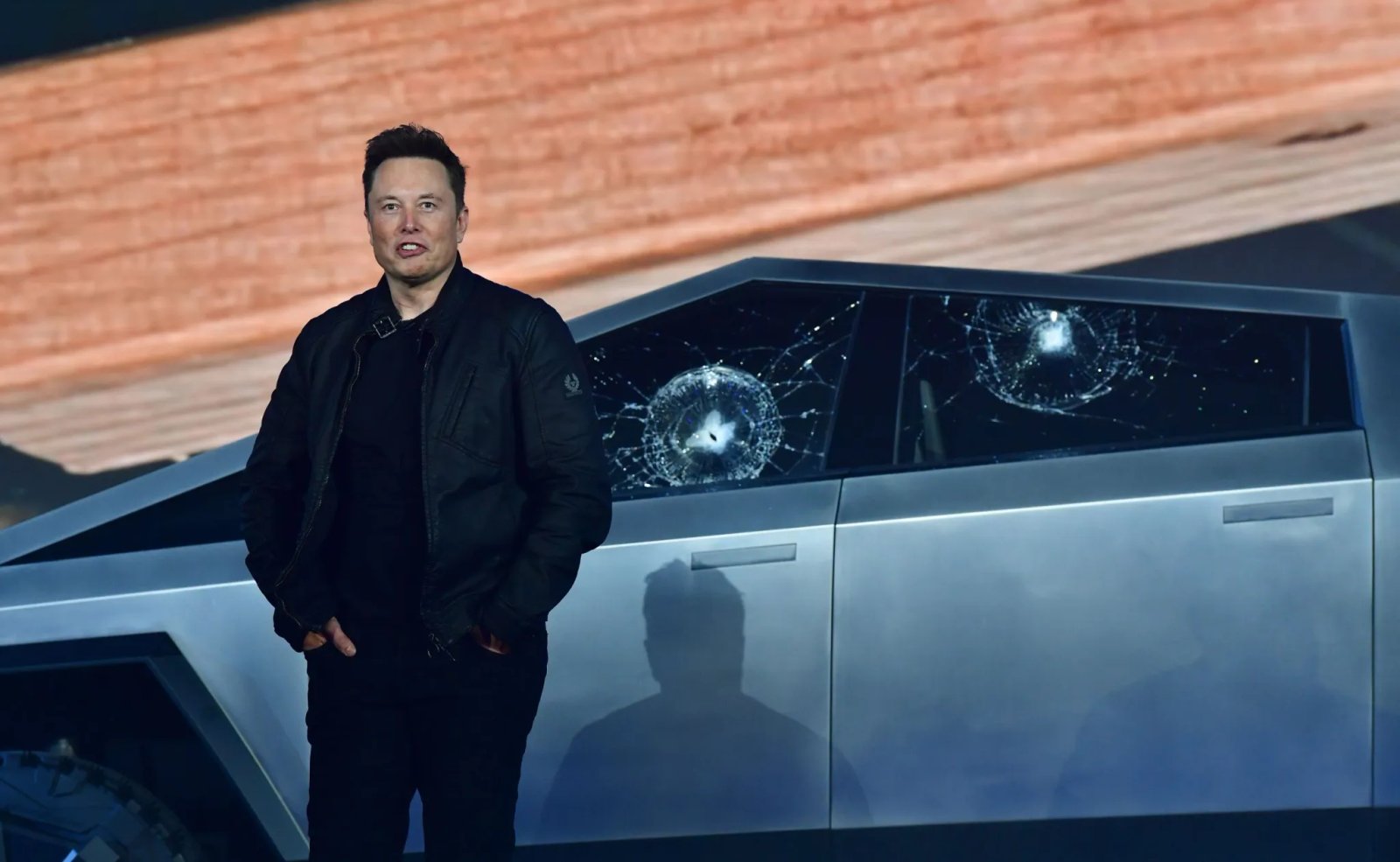
Tesla will shut down Cybertruck production at its Gigafactory Texas around mid-2027, clearing the assembly line for the Cybercab, a two-seat robotaxi with no steering wheel, pedals or side mirrors. Elon Musk disclosed the timeline Friday on X, confirming the factory — currently the only site building the Cybertruck — will pivot to the autonomous vehicle that began formal production in April and entered paid public service in Austin last month.
The Cybercab unveiled in October 2024 weighs 3,113 pounds, runs a 48 kWh pack and targets an operating cost below 30 cents a mile. Tesla says it may offer the vehicle for customer purchase by year-end, though most units will stay in the company’s own ride-hailing fleet. Robotaxi operations using Model Y vehicles started in Austin in June 2025 and have since expanded to Dallas, Fort Worth, Houston, Miami, Orlando and Tampa. By October, Cybercabs made up half the Texas fleet.
Federal regulators are watching closely. The National Highway Traffic Safety Administration opened an audit query September 4 into how Tesla certified a vehicle that lacks every traditional human control. The agency asked which Federal Motor Vehicle Safety Standards the company deemed inapplicable. Tesla responded by the October 30 deadline but requested the entire filing remain sealed as confidential business information. Only a 30-page emergency responder guide has been released.

The competitive landscape is already crowded. Waymo operates in 15 U.S. cities with roughly 4,000 vehicles and was providing 500,000 paid rides a week as of September. Its fleet has logged 200 million fully autonomous miles.
The Cybertruck’s exit caps a turbulent seven-year arc. Musk called it Tesla’s “best product ever” in 2019 and forecast 250,000 to 500,000 annual sales. Deliveries didn’t begin until late 2023. Kelley Blue Book estimates U.S. sales at 38,965 for 2024, 20,237 for 2025 — a 48 percent drop — and 11,586 for the first nine months of 2026, down 28 percent from the same period a year earlier. The starting price advertised in 2019 was $39,900; the cheapest model now lists at $92,490.
Eleven recalls have hit the truck since deliveries started, covering accelerator pedal pads, stainless-steel panel delamination, light-bar detachment, brake rotor stud holes, windshield wiper motors and drive inverters. Its angular structure also prevented European sales, where pedestrian-impact standards proved insurmountable.
The shift coincides with the end of federal EV tax credits on September 30, 2025, after a Trump-era tax bill eliminated the $7,500 incentive that had buoyed U.S. electric-vehicle demand since 2008. The administration also halted federal zero-emission vehicle orders and paused new charging-station installations.
Tesla’s broader pivot is visible elsewhere. In January the company ended Model S and Model X production at Fremont, converting those lines to build Optimus humanoid robots. Cybertruck lead engineer Wes Morrill described the truck as an “incredible technology development platform” that “lives on through Cybercab.” Musk added the existing Cybertruck fleet “will be around for a long time.”
Whether the Cybercab can clear regulatory hurdles and reach the scale Musk envisions remains an open question. NHTSA has not ruled on Tesla’s confidentiality request, and no federal framework yet exists for mass deployment of vehicles without human controls.