Prediction Markets: Small Business Hedge Beyond Sports Betting
How prediction markets serve as unconventional hedges for small businesses, and why regulators see risks
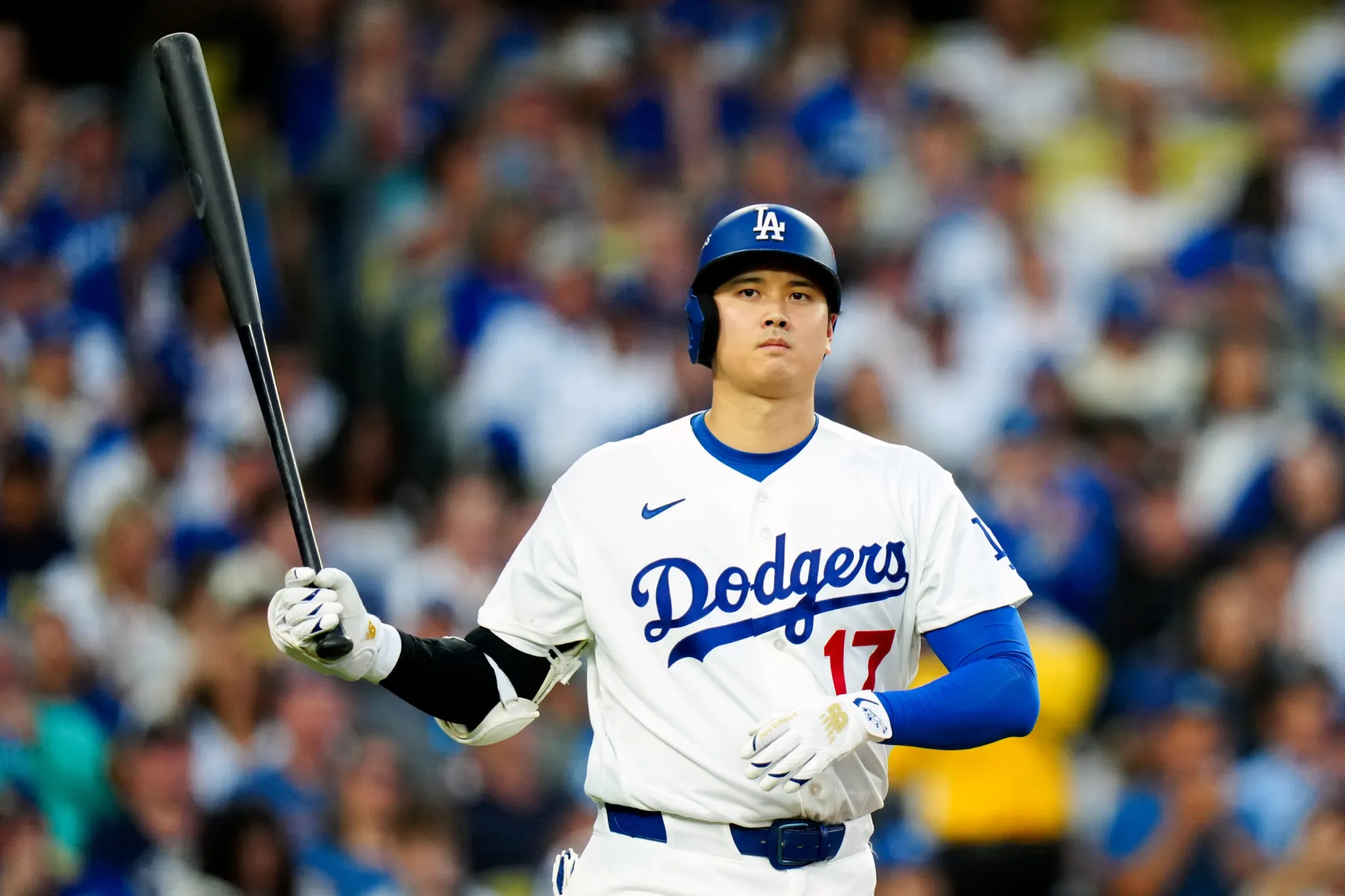
A Los Angeles restaurant group with 25 bars near Dodger Stadium spent $60,000 on Kalshi to hedge against the Dodgers not reaching the World Series. When the team lost in the NLCS to Milwaukee, the position returned nearly double. The payout offset revenue the group would have earned had the Dodgers played more playoff games, according to a report by Fortune. That single trade illustrates a shift in how businesses — especially small ones — are treating prediction markets as something closer to insurance than betting.
Trading volume on these platforms has roughly doubled between May and July of this year, according to data from the Pew Research Center, reaching more than $58 billion on Kalshi and nearly $22 billion on Polymarket, with sports accounting for much of that activity. The platforms are regulated as financial exchanges rather than gambling sites, which gives them a looser regulatory environment than traditional sportsbooks.
The pattern is spreading beyond baseball. In June, The Jeffrey, a New York City bar, told customers it would cover tabs up to $100 if the Knicks won an NBA Finals game. The bar then wagered $5,000 on Kalshi that the then-underdog Knicks would win; the $13,500 payout covered the tabs and left the bar with an $8,500 profit, the report said.


Another example came last month, when an unnamed third-party insurance company placed five trades on Kalshi worth up to $3 million in payouts if Louisiana State University won this season’s national championship — matching the bonuses the school’s football program owes coach Lane Kiffin, according to the report.
In Los Angeles, an ice cream shop reportedly turned nearly half its monthly rent — up to $1,500 — into revenue by betting on when cold fronts would move through town, hedging against slow demand, the report said.
Platforms are already building tools around this use. In August, economist Lauris Zminsky launched Blanket, an app developed with Kalshi that uses an AI engine to suggest yes-or-no markets designed to offset specific business risks. The stated goal was a self-service tool so small-business owners could find hedging opportunities on their own, Zminsky told Fortune.
The reason prediction markets suit this kind of risk management is the data volume. Eric Zitzewitz, an economics professor at Dartmouth College, told Fortune that sports markets benefit from repetition, large samples, and constant activity, which allows them to be well-calibrated. Users should expect to pay fees — he compared it to paying for insurance — but the underlying prices tend to be fair, he said.
These instruments work best for binary outcomes such as weather events or game results, according to Joshua Mitts, a law professor at Columbia University who studies prediction markets and securities law. Hedges based on private information carry a different risk: a business owner could become a “systematic loser” if a competitor holds better intelligence, Mitts noted. Markets in major metros also offer deeper liquidity while still serving narrow, idiosyncratic exposures.
Beyond hedging, Zitzewitz said the real-time information gathered by prediction markets can inform business decisions. For an e-commerce retailer, observing trades on future Amazon credit card receipts could offer a fresher and possibly more accurate forecast of upcoming consumer spending than GDP data, he told Fortune.
The same regulatory looseness that attracts users may also limit reliability as insurance substitutes. Insurers devote substantial resources to fraud prevention, but prediction markets are decentralized and still evolving legally, which leaves fewer guardrails, Mitts said. “We don’t have a small number of companies who are state-regulated and who are doing things in very organized ways,” he said. “This is a bit of a free-for-all.”