The Mineworkers Pension Scheme’s £1.2bn Works Out at £20 a Week for Each Miner Still Waiting
The trustees had a bonus ready for December and a deal ready to sign. The Treasury said no hours before the Budget — after 31 years of the 50/50 split.
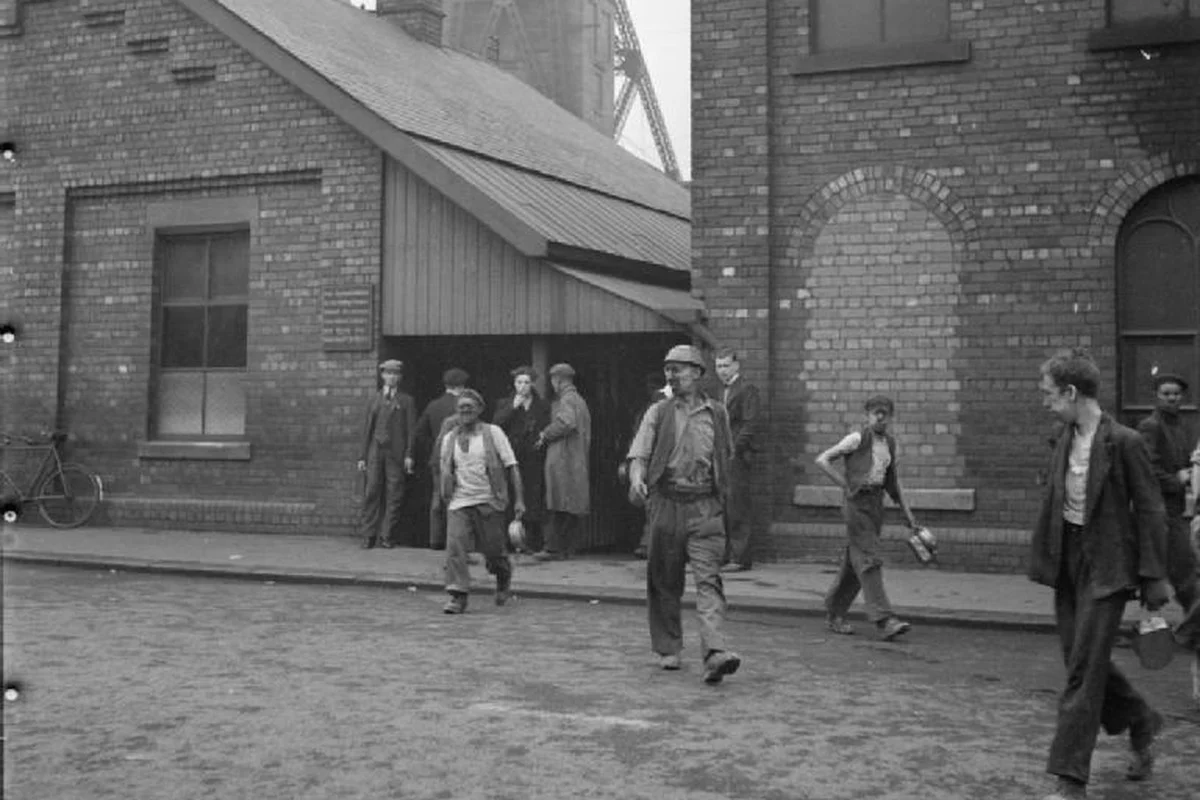
Peter McGowan is 69, a former miner, and he has silicosis in his lungs. After the Budget he wrote on Facebook: “X miner 69 years old everyday to me is a bonus got silicosis in my lungs let me have a bit of happiness before it’s too late please.”
He is one of about 110,000 members of the Mineworkers Pension Scheme waiting for £1.2bn held in the scheme’s Guarantor’s Fund. Divided between them, the fund is worth about £10,900 each, not a sum anyone would receive in one payment, but the scale of what is locked up. As a rise in the weekly pension it would be about £20 a week. About 100 of the members die every week it stays locked.
The Budget ended the 50/50 split and abolished the standstill, and left the £1.2bn where it was. The chancellor, John Healey, told MPs: “For ex-mineworkers, I’m guaranteeing that every penny of the pension fund surplus now goes to miners. I know the job’s not done and I will go on to ensure the full transfer of the Guarantors Fund.” The standstill rule, under which bonus pensions could be frozen if the scheme fell into deficit, is gone, so bonus pensions paid since 2024 and future bonuses are protected.


The deal to release it was ready. The trustees had worked on it for months with ministers, coalfield MPs and the National Union of Mineworkers, and had a bonus lined up for members’ December pension payments. The agreement was ready to sign with Blair McDougall, the minister responsible for the scheme. In a meeting on 27 October, the day before the Budget, Treasury officials told the trustees it would not proceed, citing government accounting rules. The trustees put the undistributed surplus locked in the scheme at £1bn, a separate figure from the £1.2bn Guarantor’s Fund, and about £9,100 per member. They said they were “cautious that this is not a guarantee of the future payment of bonus pensions or a commitment to a specific timescale”, and that members “are not being treated equally and are receiving a second-class deal”.
The average pension was £84 a week in 2021, the last figure the parliamentary committee published, and the 2024 transfer lifted pensions by 32 per cent on average, which puts the average at about £111 a week. The release the trustees had negotiated would have been worth about £20 a week to each member on top of that. In 2021 the committee calculated that handing back the Investment Reserve alone would have added about £14 a week to the average pension, and both pots together about £22 a week. The fund has grown since, and the membership has fallen, so the weekly figure has grown with it.
There are 30,000 widows in the scheme, with an average age of 84. The members themselves average 76. Paul Wainwright, 67, another former miner, wrote on the same Facebook post as McGowan: “Yes 67 ex miner, not many of us left now. Hope i see some benefit before we all finish up underground forever. !!!” The scheme’s members are spread across the old coalfields: 5,000 in the Mansfield constituency alone, 37,000 across the East Midlands, and about 150,000 across the miners’ scheme and the staff scheme together.
The arrangement dates to 1994, when British Coal was privatised and the schemes were closed to new entrants. The government guaranteed that pensions would never fall and would rise with inflation, and in return it took half of any surplus at each valuation, with the other half paid to members as bonus pensions. A parliamentary committee that examined the deal in 2021 found that by then the government had taken £4.4bn from the Mineworkers Pension Scheme alone, £3.1bn as its half of the surpluses and £1.3bn from the Investment Reserve, and was due at least £1.9bn more. The National Audit Office had expected, in 1996, that the whole arrangement would bring the government about £2bn from both schemes over 25 years. The government never paid a penny into either scheme. No actuarial advice was taken before the 1994 deal was struck, and the committee called the government “negligent”. The 50:50 split itself, it said, was “arbitrary”.
Other accounts put the total higher. The Telegraph has put the state’s earnings from the deal at almost £8bn by 2024. The parliamentary record is the £4.4bn received and the £1.9bn still due. In 2021 the committee recommended that the £1.2bn Investment Reserve be handed back to the scheme. It was, three years later, when the then chancellor transferred the reserve, £1.5bn by then, to members in October 2024, and pensions rose by 32 per cent on average, roughly £29 a week. The Guarantor’s Fund, about £1.2bn, is the pot the trustees’ December bonus was to be paid from.
The reason given for holding it is accounting. Andy Burnham, the prime minister, has said the fund “does have to be scored on the public balance sheet and that is part of the challenge that we’ve got”. The same accounting rules allowed £2.3bn to be transferred to members of the British Coal Staff Superannuation Scheme last year, lifting their pensions by 41 per cent. Those members, generally better-paid, non-mining staff, already receive higher pensions than the miners, and the staff scheme’s assets stood at £7.7bn at the end of March. The trustees’ chair, Gary Saunders, said the deal had been worked on extensively by both sides for months and was ready to sign, and that it was hard to understand how the miners had been left with a second-class deal. “Every week, 100 of our members pass away,” he said. “An agreement is ready to sign today.”
Fred Hughes, commenting on the Labour coalfield MPs’ statement, wrote: “Belive it when its in my bank account.” The promise he is waiting on is the one the government made after the Budget, that the fund would be released “within weeks, not months”. The government has said the release could still reach miners before Christmas as planned. Chris Kitchen, the NUM’s general secretary, said the money “could be used to mitigate cost of living pressures and benefit the country now” and is “still locked up, doing no good for anybody”. Emma Reynolds of the Treasury has said: “This government has done more than any other government to do right by our mineworkers.”
Barnsley Community, a Facebook page for the town, put the members’ reading of the Budget in one image, writing from an ex-miner’s point of view: “This is OUR money and to be given the crust, instead of the wholemeal bread leaves a nasty bitter taste for all those who contributed to the National Coal Board Scheme from years past.” The chancellor’s line was that every penny of the surplus now goes to miners. More than one in ten residents of the former coalfields claim disability benefits, a legacy of heavy industry and of the economic collapse that followed the pit closures.
Jon Trickett, the MP for Normanton and Hemsworth, has said MPs will table an amendment to the Finance Bill if the timeline slips. The trustees have invited Healey to a meeting in his South Yorkshire constituency, where about 2,200 scheme members live, later in November, and they are holding face-to-face meetings with members over the coming weeks. Reform UK has said it would transfer the funds within its first 100 days if it wins the next election. More than 40 MPs have written to the chancellor pressing for a date.
The Mineworkers Pension Scheme was set up in 1952. It closed to new entrants when British Coal was privatised in 1994.