
Shimano Pushes Premium E-Bike Tech Into Affordable Mid-Range Drivetrains
Shimano Brings Premium Shifting and Sensor Tech to Entry-Level E-Bikes
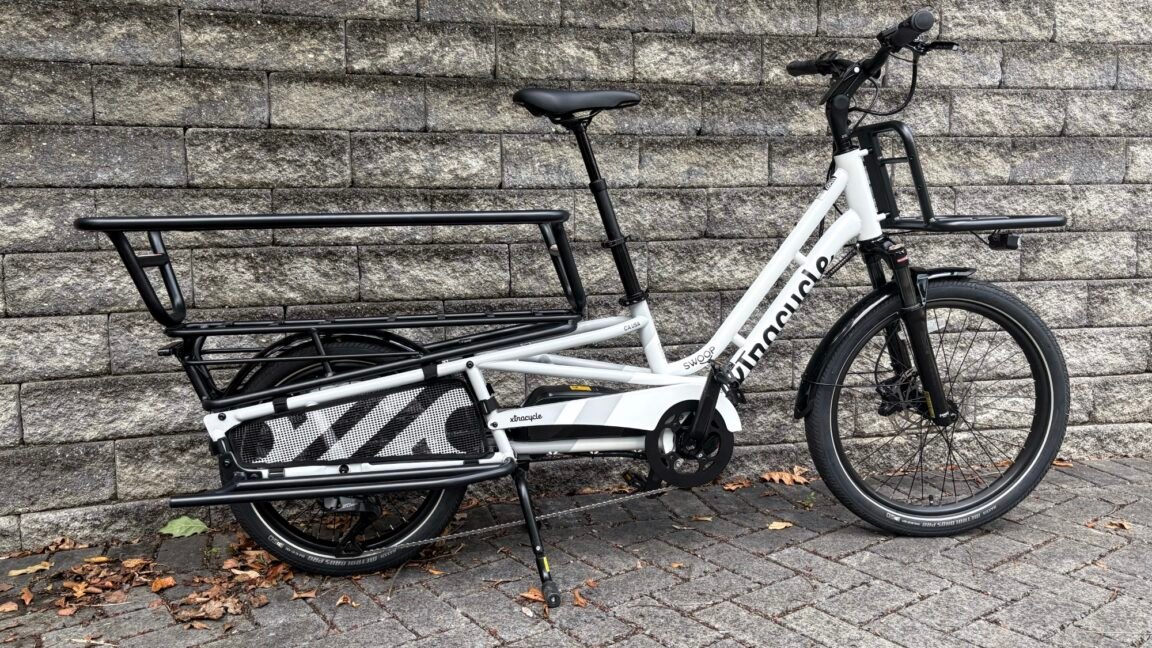
Shimano, the world’s largest manufacturer of bicycle components, is accelerating its push into the rapidly growing mid-range electric bicycle market by integrating advanced automation and sensor-driven technologies into its entry-level product tiers. The Osaka, Japan-based company is attempting to solidify its historical dominance in the bicycle component industry, which dates back to its founding in 1921. As competition intensifies from rivals like Chicago-based SRAM and German engineering giant Bosch, the integration of high-end software capabilities into accessible, everyday platforms represents a critical defensive and offensive play in the rapidly evolving global e-mobility market.
On the right side of the handlebar, a separate, display-less controller dictates mechanical shifting. By isolating the shifting functions from the motor controls, the design allows riders to easily distinguish buttons by feel alone, reducing distraction during urban transit. This physical separation supports a highly efficient, pedal-assist mid-drive motor. Unlike hub-motor e-bikes that often utilize a twist- or thumb-throttle to propel the bicycle without pedaling, this mid-motor system operates strictly on a pedal-assist framework.
At the center of this strategy is the Shimano Cues drivetrain platform, a unified ecosystem introduced by the company to streamline its mid- and entry-level components. The inclusion of high-performance electronic integration in a lower-cost tier highlights the broader industrial strategy behind the Shimano Cues rollout. Launched globally to consolidate several of Shimano’s legacy, fragmented component lines—including Alivio, Acera, Altus, and certain mid-range Deore variations—Cues was designed to simplify inventory for bike shops and manufacturers alike.

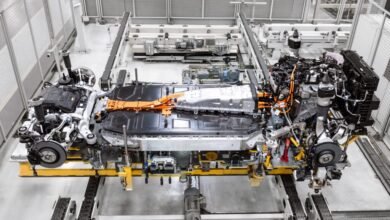
[Image: A diagram showing a typical mid-drive frame integration layout with a sideways pivoting battery and mid-drive motor unit.]
This lateral removal mechanism eliminates the need for an external carrying handle. Furthermore, when locked into position, the physical casing of the battery serves a dual structural purpose: it acts as a protective barrier on the left side of the frame triangle, preventing loose cargo, straps, or clothing from slipping through the frame and interfering with the spinning chain and chainring on the drive side. To maintain a clean aesthetic and structural utility, the system utilizes a compact, frame-integrated battery. Rather than sliding vertically or dropping from the bottom tube—methods that can expose the battery to road grime or drop damage—the battery pivots sideways out of the frame chassis for charging.
The layout of the modern e-bike handlebar has often been criticized for being overly complex, cluttered with displays, throttles, and multiple button configurations. To address this, Shimano’s design for its mid-motor commuter systems utilizes a split-control architecture that prioritizes tactile operation over screen-heavy interfaces. On the left side of the handlebar, riders interface with a minimalist controller that houses the system’s power button and a basic display indicating the assist level. This unit manages the mid-motor’s three levels of electronic assistance.
An array of sensors embedded within the bottom bracket and the rear hub continuously tracks real-world riding telemetry, including wheel speed, rider torque, cadence, and current gear ratio. By processing these inputs simultaneously, Shimano’s onboard software can execute automated adjustments. In electronic Di2 configurations of the Cues system, this data enables features like “Auto Shift”—which automatically changes gears based on the rider’s cadence and power output to keep them in an optimal pedaling zone—and “Free Shift,” a technology that allows the rear derailleur to shift gears while the rider is coasting without pedaling, preparing the bicycle for sudden stops or sudden climbs.
Crucially, Cues utilizes Shimano’s “Linkglide” technology. Originally engineered to withstand the high torque loads of heavy electric cargo bikes, Linkglide cassettes and chains feature thicker, reinforced sprocket teeth and a shifted ramp profile. This design reduces drivetrain wear and allows for incredibly quiet, seamless gear transitions even when the rider is shifting under load. Even at its maximum assist level, the drive unit requires the rider to exert continuous force on the pedals, though the system significantly reduces the physical effort required to maintain momentum or ascend moderate inclines.
In real-world utility testing, the energy density of the compact power pack allows for dozens of miles of range on a single charge, making it capable of powering multiple days of urban commuting and errand running without requiring a plug-in. Beyond physical durability, the integration of Cues with Shimano’s e-bike software architecture allows the drivetrain to function as an information-gathering hub. Traditionally, electronic shifting and smart drive-unit integration were reserved for premium, high-cost groupsets. However, the integration of Cues with electric assist systems signals a shift in how bicycle manufacturers are targeting daily commuters and utility riders.