
Zelenskyy’s Plane Nearly Struck by Russian Drones Over Moldova
Russian Shahed drones ground Chișinău Airport as Zelenskyy’s plane nearly struck during takeoff

A major disruption of Eastern European airspace caused by Russian loitering munitions came dangerously close to Ukrainian President Volodymyr Zelenskyy’s official transport aircraft on Tuesday, highlighting the intensifying threat posed by spilled-over aerial warfare to international aviation along NATO’s eastern flank. Norwegian Prime Minister Jonas Gahr Støre revealed the near-miss incident following Zelenskyy’s eventual safe arrival in Oslo on Tuesday evening. Støre noted that Zelenskyy’s aircraft was “almost hit” during its taxi and takeoff preparation sequence in Chișinău, emphasizing the systemic hazards facing foreign leaders traversing regions adjacent to the active war zone.
According to Moldovan government authorities, the incident involved two Russian unmanned aerial vehicles, identified as Iranian-designed Shahed loitering munitions. One of the drones plummeted into an open field north of the Moldovan capital of Chișinău, starting a localized fire, while the second drone continued its flight path into the airspace of neighboring Romania—a NATO member state—before tracking back or crashing. Data from global flight monitoring services indicated that Chișinău International Airport suspended all arrivals and departures during the intrusion. Commercial airliners approaching the Moldovan capital were instructed to enter holding patterns or divert to alternative hubs in neighboring countries until aviation authorities re-established airspace security.
The emergency forced the immediate grounding of civilian air traffic at Chișinău International Airport in Moldova after two Russian drones breached the country’s airspace just as Zelenskyy was preparing to depart for Norway. Assessements from the Institute for the Study of War (ISW) confirmed that a Russian Shahed-type drone maneuvered through both Moldovan and Romanian sovereign airspace for approximately one hour on Tuesday before downing in Moldovan territory. Official accounts confirm that the Ukrainian head of state’s plane was cleared for takeoff only after air defense monitoring determined the trajectory of the incoming weapons systems.


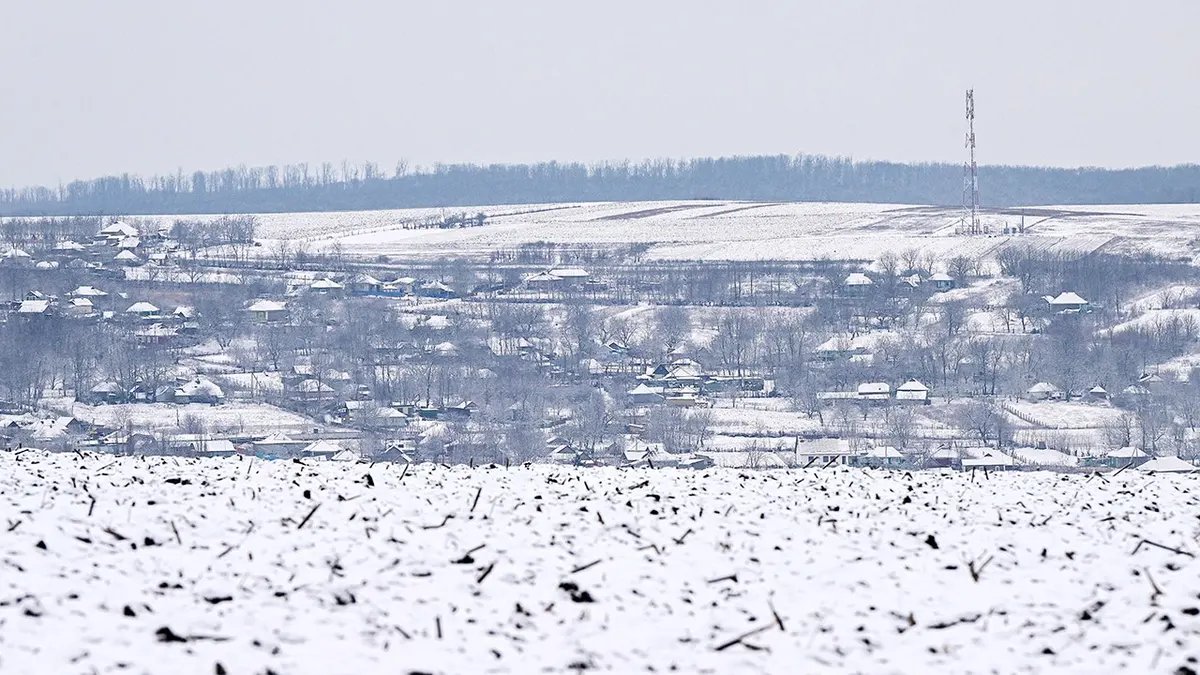
Chișinău, located approximately 110 kilometers (68 miles) from the Ukrainian border, has become a pivotal staging point for diplomatic travel into Eastern Europe. From the Moldovan capital, Zelenskyy was en route to Oslo to attend official royal funeral proceedings for Norway’s monarch and to conduct high-level defense talks with Scandinavian leadership. Despite the delays in Chișinău, Zelenskyy reached the Norwegian capital late Tuesday evening. During his visit, the Ukrainian president engaged in bilateral consultations with Norwegian Foreign Minister Espen Barth Eide and Finance Minister Jens Stoltenberg, focusing on urgent requests for additional air defense systems—such as Norwegian-developed NASAMS batteries—and long-term financial assistance for Ukraine’s civil infrastructure.
The airspace alert underscored the complex logistical challenges involved in transporting Ukrainian officials since Russia launched its full-scale invasion on Feb. 24, 2022. With Ukraine’s civil aviation zone completely closed to commercial and diplomatic air transport since the opening hours of the conflict, President Zelenskyy and visiting foreign dignitaries rely exclusively on overland routes—utilizing armored trains and secure motorcades—to cross into neighboring Poland, Romania, or Moldova before boarding long-range aircraft.

Moldovan President Maia Sandu issued a strong condemnation of the airspace violations, characterizing the unauthorized flight of armed Russian drones across Moldovan territory as an unacceptable threat to civilian lives. The crisis in Chișinău occurred alongside a lethal Russian strike on a Moldovan-Ukrainian border crossing point, which resulted in two fatalities and further elevated national security concerns in the former Soviet republic. Since late 2022, Moldovan border patrol units and emergency personnel have recovered debris from multiple fallen Russian missiles and Shahed drones in northern border communities, including Naslavcea, Larga, and Etulia. The repeated cross-border incidents have prompted Moldovan authorities to seek enhanced radar detection systems and defense integration with European allies.
Moldova, which was granted European Union candidate status in June 2022 alongside Ukraine, occupies a precarious geopolitical position. Lacking the collective defense protections of NATO membership, the country has frequently experienced the direct fallout of Russian air strikes targeting southern Ukrainian infrastructure. The involvement of Romanian airspace during Tuesday’s breach represents the latest in a series of security incidents affecting NATO’s eastern frontier. Romania, which shares a 650-kilometer (400-mile) border with Ukraine, has repeatedly scrambled F-16 fighter jets and issued public emergency alerts to border residents as Russian strikes target Ukrainian port installations along the Danube River, including Reni and Izmail.
In response to recurring drone debris landfalls along the Danube Delta, Romanian authorities have constructed concrete bomb shelters in border villages such as Plauru, expanded military observation networks, and established restricted air defense corridors along the river. Tuesday’s operational ground stop at Chișinău Airport highlighted the vulnerability of Eastern European flight corridors to Russian loitering weapons, which are frequently launched in mass waves from sites in Crimea and southern Russia to overwhelm Ukrainian radar networks.