
Spain’s Spy Service Warned of Ceuta Migrant Wave a Day Before It Hit — Then the Insults Flew in Parliament
Declassified CNI Messages Show Advance Warning of Ceuta Migrant Crisis; Vox and PSOE Clash Over Border Security
Declassified intelligence documents have triggered a fierce political storm in Madrid, culminating in personal insults and accusations of treason on the parliament floor. The documents, released by the Spanish government, show that the National Intelligence Center (CNI) sent urgent, specific alerts to the government’s delegation in Ceuta on July 29, just one day before a historic wave of crossings began. According to the declassified records, intelligence officers used WhatsApp to send an explicit warning about online mobilization efforts. “There are two different groups with a total of 180,000 followers, just to give you an idea of its scale,” the CNI message warned, alerting officials to social media calls “for an assault on the fence and by sea tomorrow at 8 p.m.”
The ensuing border breach saw more than 70,000 migrants cross into Ceuta over the course of July, severely straining the resources of the tiny Spanish outpost. The sudden influx triggered major protests among local residents, some of whom set fire to migrant shelters as frustrations boiled over. While the majority of those who entered have since been returned to Morocco under bilateral agreements, thousands remained in the enclave, with many setting up makeshift tent encampments along the beaches. The revelation that the government had clear, pre-emptive intelligence about the scale of the coordinated crossing provided fresh ammunition to the right-wing opposition, who have long accused Prime Minister Pedro Sánchez’s socialist administration of failing to secure the nation’s borders and capitulating to neighboring Morocco.
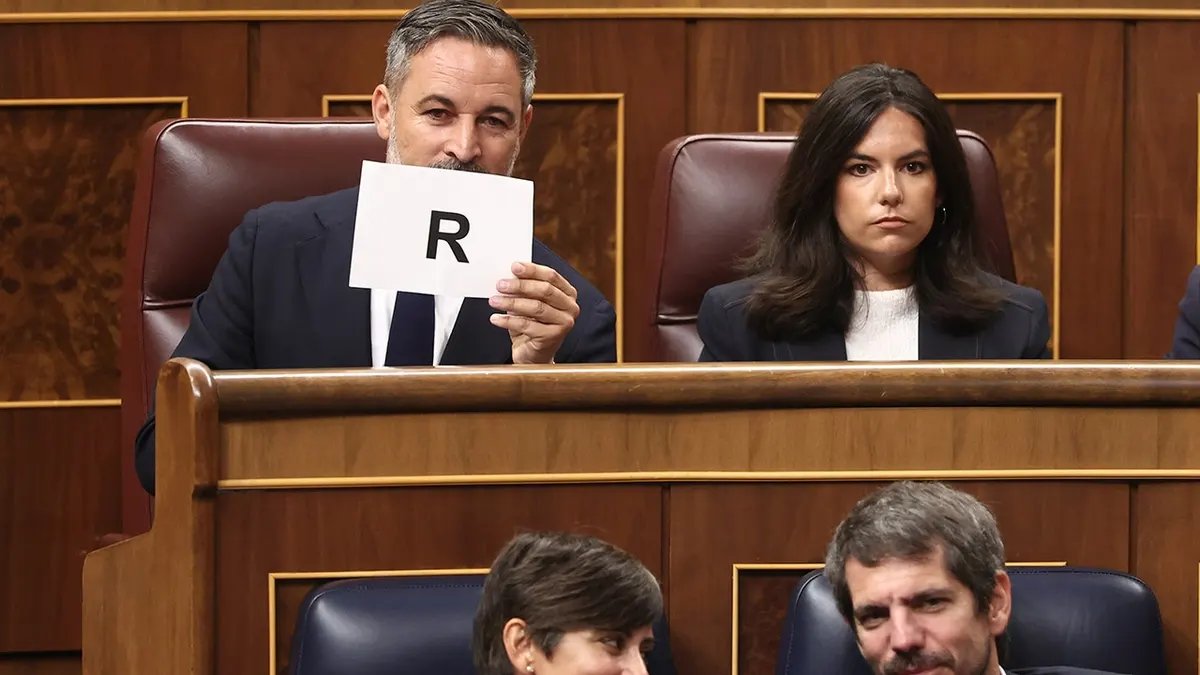
During a heated plenary session in the Congress of Deputies on Wednesday, Santiago Abascal, the leader of the right-wing Vox party, launched a direct attack on Sánchez. Appearing alongside Vox spokesperson Pepa Millan, Abascal questioned whether the Prime Minister was being blackmailed by the Moroccan government, which controls the other side of the border. As the confrontation intensified, Abascal called Sánchez a “traitor” and “a dog,” before holding up individual sheets of paper that spelled out “T-R-A-I-D-O-R”—the Spanish word for traitor.
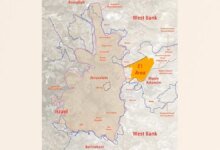
The political clash in Madrid highlights the deep geopolitical sensitivities surrounding Ceuta and Melilla. The two autonomous Spanish cities sit on the northern coast of Morocco, representing the European Union’s only land borders on the African continent. For decades, they have been major transit points for migrants attempting to enter Europe, protected by high-tech, razor-wire-topped border fences and naval patrols.
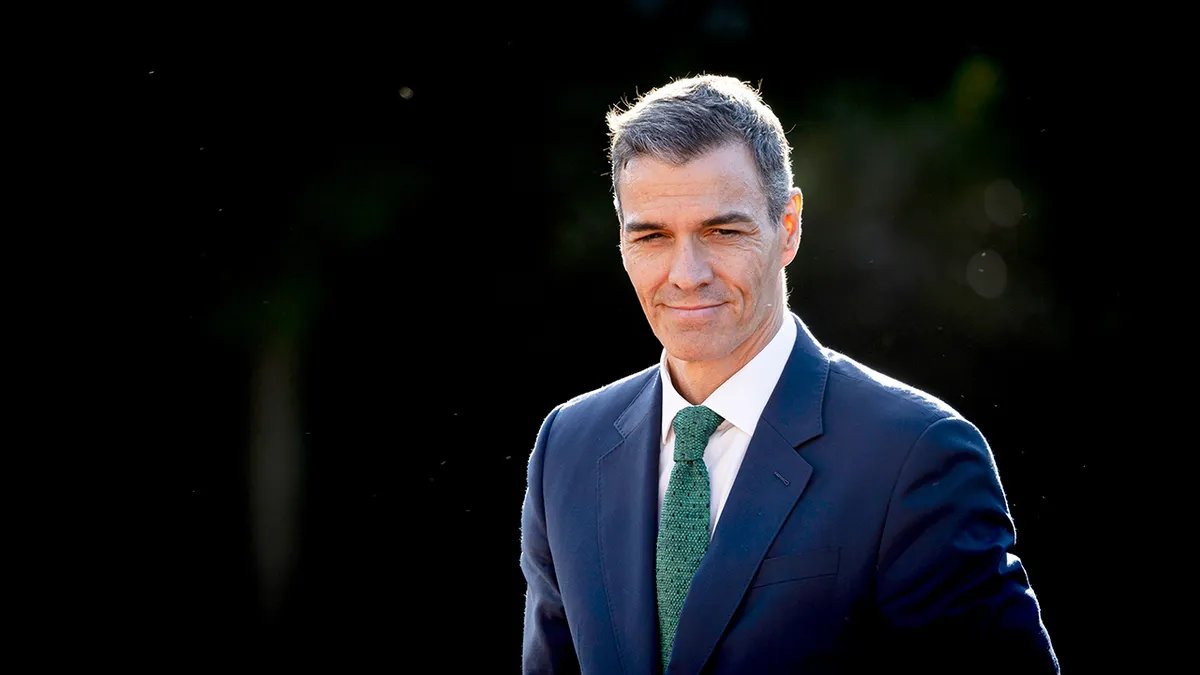
Sánchez retorted to the personal slight by co-opting the insult. “I may be a dog, but I have no master,” the Prime Minister replied before taking his seat. The exchange refers to “Perro Sanxe” (Dog Sanchez), a derogatory moniker coined by right-wing critics that Sánchez’s Spanish Socialist Workers’ Party (PSOE) famously reclaimed and turned into a lighthearted campaign meme during the July 2023 general election. The opposition’s accusations of Moroccan “blackmail” stem from a complex history of diplomatic maneuvering between Madrid and Rabat, where migration controls have frequently been used as political leverage.
In May 2021, a severe diplomatic rift occurred when Spain allowed Brahim Ghali, the leader of the Western Sahara independence movement (the Polisario Front), to receive medical treatment in a Spanish hospital. In response, Moroccan border guards stood down, allowing more than 10,000 migrants to flood into Ceuta over the course of just 48 hours. To resolve the crisis and restore bilateral cooperation, Sánchez made a controversial foreign policy shift in 2022, breaking with Spain’s decades-long stance of neutrality to publicly support Morocco’s autonomy plan for Western Sahara. While the move normalized diplomatic and trade relations with Rabat, it drew fierce condemnation from Spanish opposition parties and coalition partners alike, who accused Sánchez of yielding to Moroccan pressure.