

iPhone 18 Pro Teardown Exposes New Camera and Cooling Designs
New camera mechanics and cooling gains meet a fragile display-removal process
WASHINGTON — Apple’s iPhone 18 Pro and iPhone 18 Pro Max have received a provisional repairability score of 7 out of 10 from electronics repair firm iFixit. The teardown found modular primary camera and battery components, but reaching the interior still creates a notable risk of display damage.
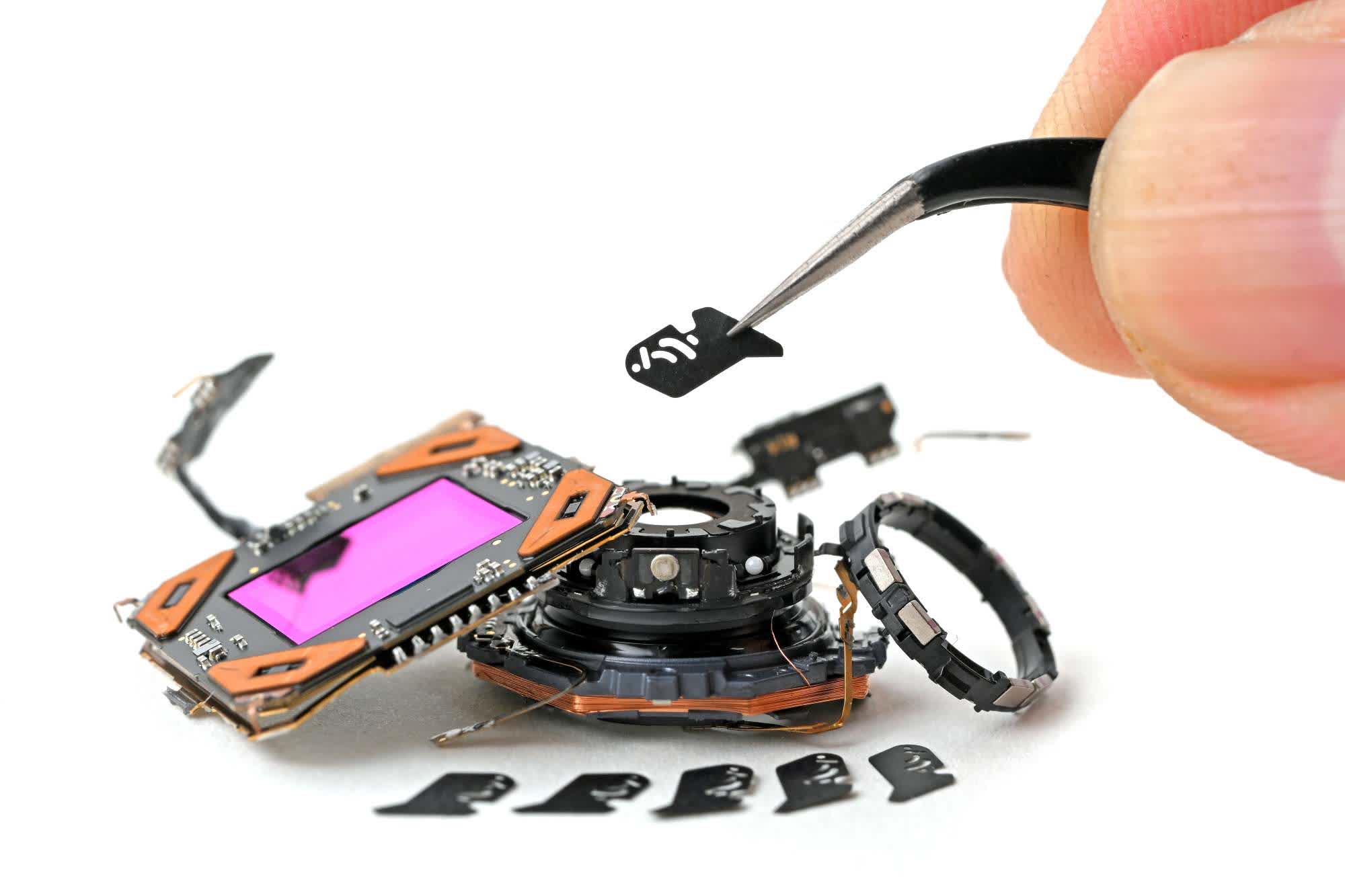
A major change lies inside the main camera: the iPhone 18 Pro series introduces a physical variable aperture, the first such system in an Apple device. Its six micro-aperture blades are each approximately as thin as a single human hair, with specialized slots and perforations that let the blades slide past one another precisely.
The aperture controls the physical opening through which light reaches the image sensor. That gives the camera hardware-level control over depth of field and light intake without depending solely on computational software adjustments. If one of the moving blades jams or breaks, however, the entire camera unit must be replaced. iFixit technicians found that replacing the camera module itself is straightforward once the phone has been opened.


Samsung Electronics brought mechanical variable apertures to smartphones earlier, debuting a two-stage system in 2018 with the Galaxy S9 and S9+. The company later expanded the technology to the Galaxy Note 9 and Galaxy S10 series, then abandoned it on the Galaxy S20 lineup in favor of larger fixed-aperture camera sensors. Samsung cited weight, space constraints, and mechanical complexity.
The teardown also identified a change in Apple’s custom-silicon packaging. Earlier iPhone generations used a Package-on-Package, or PoP, layout in which the System-on-Chip, or SoC, was stacked directly beneath or alongside the device’s system memory, or RAM. For the A20 Pro chip, Apple moved to a custom side-by-side arrangement.
With the A20 Pro silicon die and memory die separated horizontally across the substrate, the memory component is removed from the main processor’s primary thermal dissipation path. The surface of the A20 Pro can consequently make direct contact with a redesigned vapor chamber cooling system.
Historically, iPhones relied mainly on multilayered graphite sheets and internal copper shims to spread heat through the chassis. Hardware-accelerated ray tracing and generative artificial intelligence have placed greater processing demands on high-performance mobile chips, making heat management a critical bottleneck. Apple claims that the decoupled chip packaging and expanded vapor chamber deliver up to a 40% improvement in sustained processor performance compared with previous thermal designs.
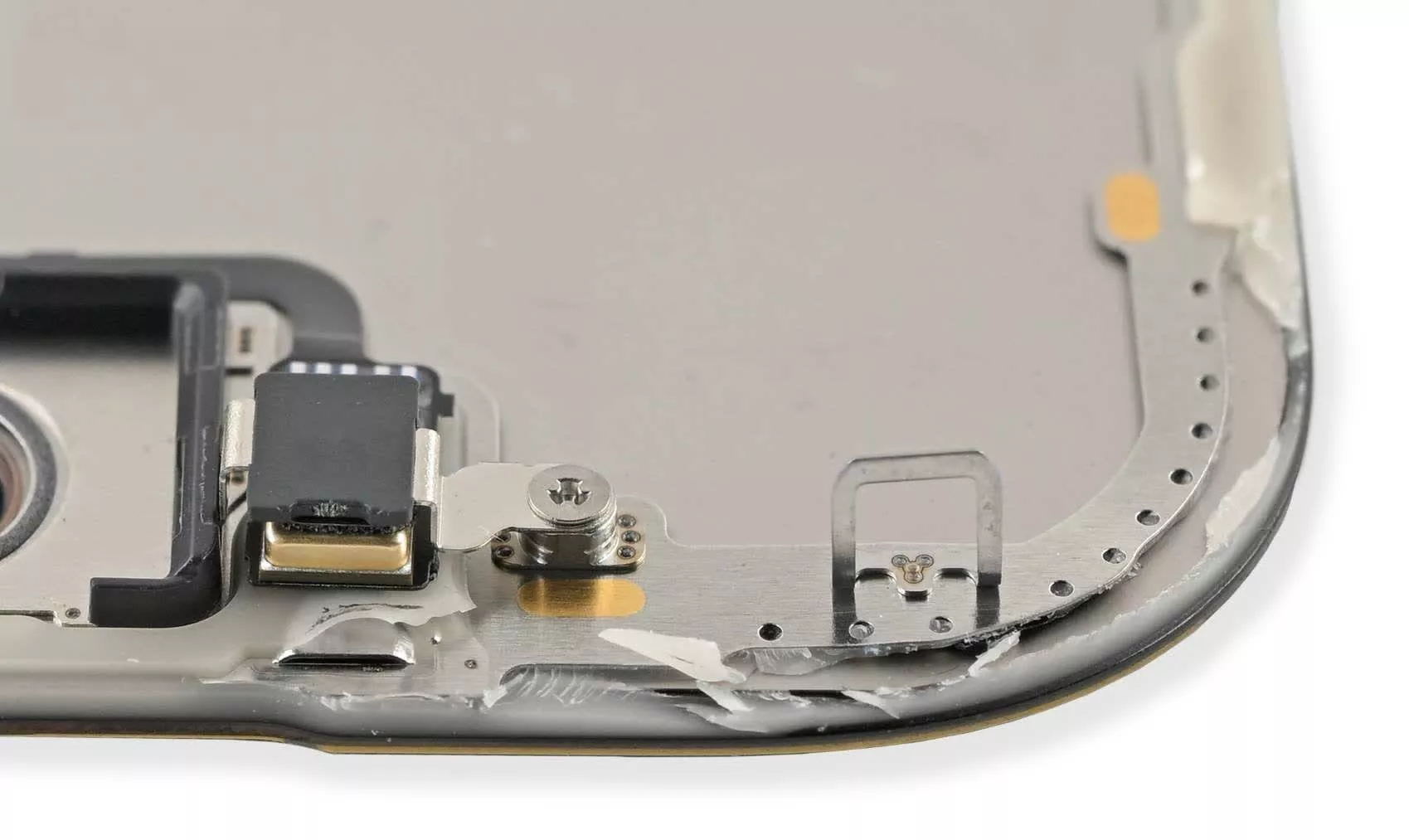
The cooling changes do not eliminate the difficulties of opening the phones. Although the rear glass panel detaches easily, it exposes only the wireless charging coil assembly. Access to the main logic board, camera modules, and internal battery requires entry from the front, where technicians must remove the adhesive-bonded display assembly.
During iFixit’s disassembly tests on four separate iPhone 18 Pro units, the thin plastic structural frame around the screen assembly fractured in three devices during display removal. The failure rate highlights the risk of screen damage during routine internal maintenance, including battery replacement, outside authorized service environments.
After the display is removed, the battery remains relatively easy to disconnect and replace, continuing Apple’s shift toward more accessible battery-replacement paths inside the chassis. iFixit’s provisional 7 out of 10 rating reflects the combination of streamlined component swaps and redesigned internal cooling pathways, while display removal remains a primary obstacle for independent repair technicians and consumers seeking to service their own devices.









