

Flock Safety Officers Used “LOL” and “LMAO” to Search License Plate Records
Audit logs expose weak oversight of Flock’s nationwide ALPR searches
Internal audit logs from Flock Safety’s automated license plate reader network show that law enforcement officers across the United States routinely bypassed mandatory justification requirements when conducting location searches of motorists. Entries included fabricated, flippant, meaningless, or random keyboard character strings.
The records were obtained through public records requests by the digital rights organization Electronic Frontier Foundation (EFF). Spanning from 2023 into 2026, the logs document database queries in which officers entered terms such as “lol,” “LMAO,” and “idk” into search-reason prompts intended to prevent unauthorized tracking.
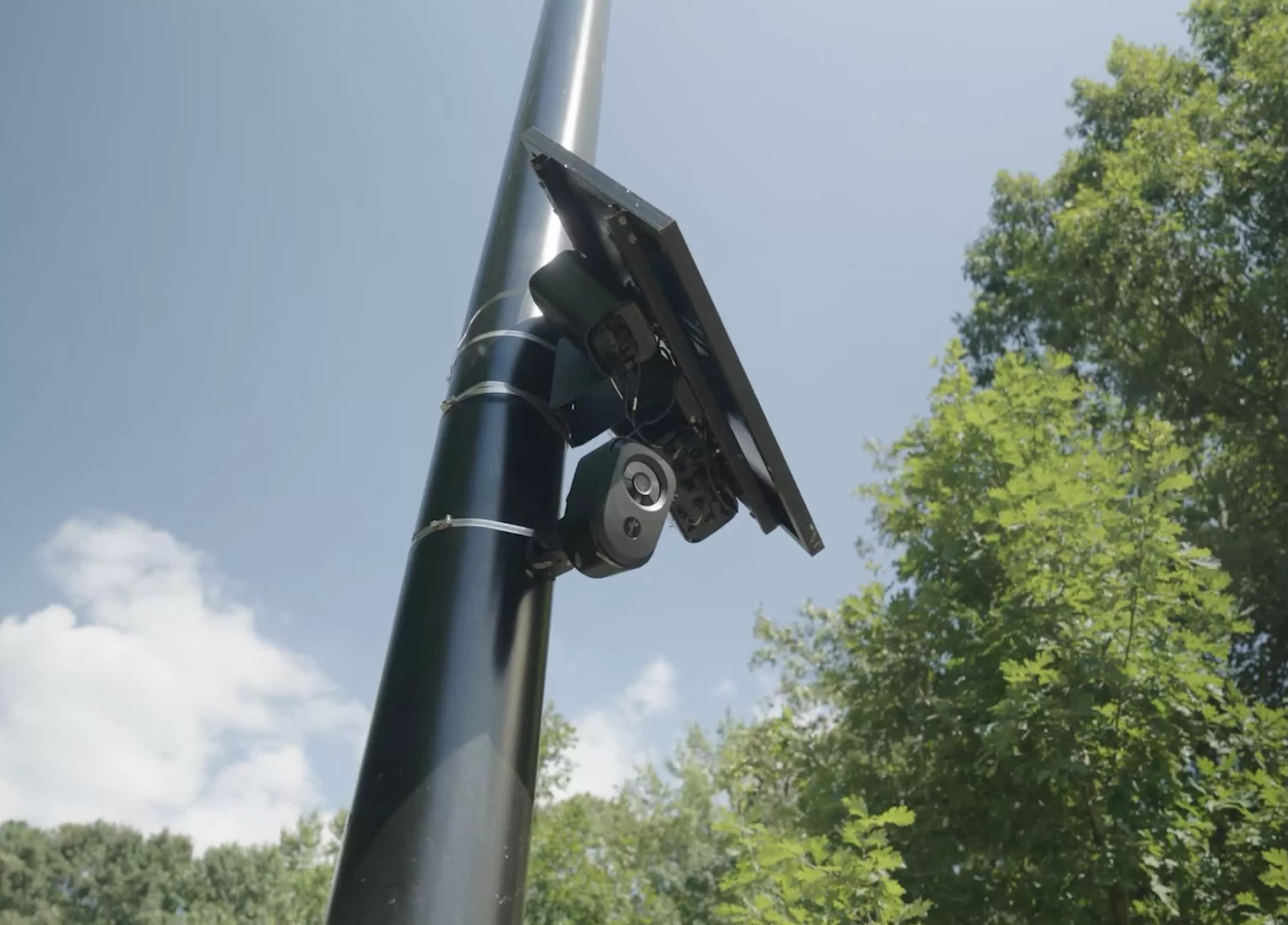
Flock Safety, an Atlanta-based surveillance technology contractor founded in 2017, operates tens of thousands of solar-powered Automatic License Plate Recognition (ALPR) cameras nationwide. The cameras are deployed across municipal police departments, county sheriff’s offices, and private neighborhood associations.


The network records vehicle license plates, make, model, color, and distinguishing characteristics before uploading billions of location records each month to a centralized cloud database. Police agencies can use the system to search historical vehicle movements across jurisdictions, even though the database is operated by a private company.
Unlike historical cellular location data, which requires a search warrant under the precedent established by the 2018 U.S. Supreme Court ruling in *Carpenter v. United States*, law enforcement agencies can query Flock’s private database without judicial authorization. Departments instead rely on internal administrative policies and mandatory search-reason prompts within the software to ensure that searches serve official law enforcement purposes.
The EFF findings indicate that officers frequently treated those compliance prompts as mere formalities. Flock modified its software interface in late 2025 in response to compliance concerns, replacing the open text field with a drop-down menu of standardized investigative categories.
That update did not halt unsubstantiated searches. Records show that officers shifted toward generic default categories such as “other,” allowing them to execute queries without entering verifiable case numbers or clear justifications. The disclosed logs point to systemic gaps in the oversight mechanisms governing one of the country’s fastest-growing private surveillance networks.
Those access-control weaknesses coincide with documented database misuse across multiple states. Officers have been disciplined, fired, or criminally prosecuted for using license plate databases to track romantic partners, acquaintances, and individuals outside the scope of active criminal investigations.
Several municipal governments and city councils have canceled their contracts with Flock, citing privacy risks, data-retention practices, and instances in which automated misidentifications led to unwarranted traffic stops. Community resistance has also taken a physical form: local authorities have reported recurring incidents involving cameras that were vandalized, spray-painted, or dismantled.
In at least one municipality that terminated its agreement and ordered the removal of ALPR hardware, Flock reinstalled cameras on public property without local authorization. City officials responded by seeking regulatory intervention.
Competing surveillance vendors have tried to distinguish their products from Flock by promoting stricter data-governance models and localized data-storage options. Their core ALPR hardware, however, functions through similar optical character recognition mechanisms.
Flock maintains that public safety adoption continues to outpace municipal cancellations and points to expanding contracts with law enforcement agencies nationwide. At the same time, the company has accelerated the expansion of its product ecosystem beyond stationary roadside hardware.
Its fastest operational expansion involves “Drone as a First Responder” (DFR) programs. These programs deploy autonomous aerial drones equipped with high-resolution zoom cameras and aerial ALPR capabilities. Although marketed as tools for rapid response to violent crimes, police logs indicate that departments are increasingly using the airborne units for continuous, live surveillance and low-level municipal calls.










One Comment